
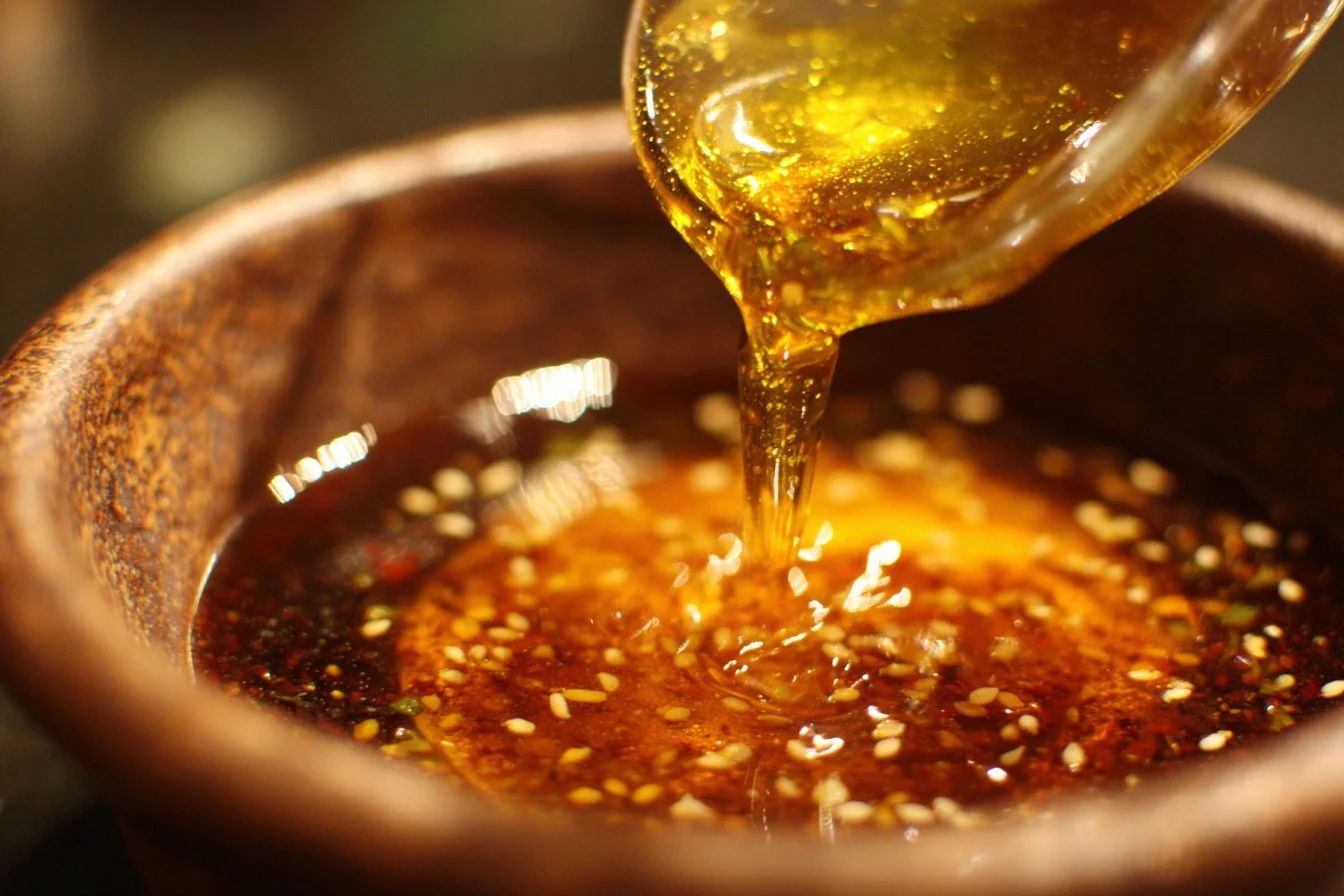
There’s something incredibly refreshing about a good salad, especially when it’s drizzled with a stunning dressing that elevates every bite. I recall the first time I tried an Asian salad dressing, a vibrant blend of flavors that transformed a simple bowl of greens into a delightful culinary experience. The mix of tangy soy sauce, rich sesame oil, and a hint of sweetness was simply irresistible. Ever since that moment, I’ve been on a quest to perfect my own version, and now, I’m excited to share a recipe that brings that same bright, bold taste to your kitchen. This Asian salad dressing is not just a condiment; it’s a flavorful journey that pairs beautifully with various salads, grilled vegetables, and even as a dip for appetizers.
What is Asian Salad Dressing
Asian salad dressing is a delightful blend of flavors that showcases the vibrant ingredients commonly found in Asian cuisine. Typically, it combines elements like soy sauce, sesame oil, vinegar, and sweeteners. This dressing can vary significantly in ingredients and flavor profiles, but the core elements usually remain consistent, offering a balance of salty, sweet, and tangy notes. Whether you’re tossing it over a mix of fresh greens or using it as a marinade, this dressing brings an exotic flair to any meal. The use of versatile ingredients means that you can adjust the flavor to suit your preferences, making it a favorite in many households.
Why You’ll Love This Asian Salad Dressing:
Making your own Asian salad dressing has several advantages that make it a staple in many kitchens:
- Quick and simple to prepare
- Family-friendly meal option
- Great for beginners who want to explore new flavors
- Versatile enough to be used for salads, marinades, or dipping sauces
- Allows customization based on personal taste, such as adjusting sweetness or heat
Embracing a homemade version means you control the ingredients and can tailor it exactly to your liking. Plus, it can be made in just a few minutes, bringing vibrancy to any dish without a lot of effort.
Ingredients
To create a tasty and balanced Asian salad dressing, you will need the following ingredients:
- 1/4 cup soy sauce
- 2 tablespoons rice vinegar
- 2 tablespoons sesame oil
- 1 tablespoon honey or sugar (for a vegan option, use agave syrup)
- 1 teaspoon grated ginger
- 1 clove garlic, minced
- 1 teaspoon Sriracha (optional for heat)
- Sesame seeds for garnish
- Chopped green onions for garnish
These ingredients showcase how simple yet flavorful making your own dressing can be. The combination of umami from the soy sauce and the nuttiness of sesame oil creates a base that is both delicious and satisfying.
Step-by-Step Instructions for Asian Salad Dressing
Creating this Asian salad dressing is incredibly straightforward and can be broken down into the following steps:
- In a small bowl, whisk together the soy sauce, rice vinegar, sesame oil, honey (or sugar), grated ginger, garlic, and Sriracha if you’re adding some heat.
- Taste the dressing and adjust as necessary; you may want to add more honey for sweetness or increase the Sriracha if you crave a spicier kick.
- Once you reach your desired flavor profile, the dressing is ready to serve. It can be drizzled over a fresh salad or used as a flavorful dip for fresh vegetables.
- If you’re looking to impress, garnish the dressed salad with sesame seeds and chopped green onions before serving, adding a beautiful visual element.
This simple process ensures you have a dressing that not only enhances the flavor of your dish but is created with fresh, quality ingredients.
Pro Tips and Variations:
When it comes to maximizing flavor and accommodating different tastes, consider the following tips and potential variations to the Asian salad dressing:
- Customize Sweetness: If you prefer your dressing sweeter, adjust the honey or sugar to your liking. For a low-calorie option, you can use a sweetener like stevia or monk fruit.
- Add Citrus: Incorporate a splash of fresh lime or orange juice for extra brightness and acidity, enhancing the dressing’s complexity.
- Experiment with Oils: Besides sesame oil, try using avocado or olive oil for a different flavor profile.
- Flavor Boosters: Add a hint of toasted sesame oil or even a few drops of fish sauce for an additional depth of flavor.
- Heat Levels: Tailor the spiciness by adjusting the amount of Sriracha or incorporating red pepper flakes for different heat levels.
These variations not only allow for personalization but also enable you to recreate the dressing according to the occasion or specific dishes you’re serving.
How to Serve Asian Salad Dressing
There are numerous delicious ways to incorporate this Asian salad dressing into your meals. Here are a few serving suggestions that will inspire you:
- Over Fresh Salads: Drizzle over mixed greens tossed with crunchy vegetables like bell peppers, carrots, and cucumbers for a refreshing salad.
- As a Marinade: Use it to marinate chicken, tofu, or fish to infuse rich flavors before grilling or sautéing.
- With Grilled Vegetables: Toss your favorite vegetables in the dressing before grilling for an enhanced flavor and caramelized finish.
- As a Dip: Serve it as a dip alongside fresh vegetables or rice paper rolls, creating a delightful appetizer or snack.
Each serving method offers a unique experience, showcasing the robust taste of the dressing in different culinary contexts.
How to Store Asian Salad Dressing
If you have leftovers or prefer to make a batch in advance, storing your Asian salad dressing is easy. Here’s how to keep it fresh:
- Refrigeration: Transfer the dressing to an airtight container or jar and store it in the refrigerator. It can typically last up to one week without losing flavor.
- Flavor Maintenance: Before using again, give it a good shake or stir, as some ingredients may settle over time.
- Freezing: For longer storage, consider freezing portions of the dressing in ice cube trays. Once solid, transfer the cubes to a freezer bag for up to three months. Just thaw as needed for quick use.
Proper storage allows you to enjoy homemade Asian salad dressing whenever cravings strike, without much fuss.
Nutrition Information
While specifics can vary depending on ingredient brands and changes in the recipe, here’s an approximate nutritional breakdown per serving (based on 2 tablespoons of dressing):
- Calories: 60
- Total Fat: 4.5g
- Saturated Fat: 0.5g
- Sodium: 480mg
- Carbohydrates: 4g
- Sugars: 3g
- Protein: 1g
This dressing can be a low-calorie, flavorful addition to your meals, giving you the complexity of Asian flavors without overwhelming your diet.
FAQs about Asian Salad Dressing
Can I make this dressing vegan?
Yes! Simply replace honey with agave syrup or another plant-based sweetener.How can I make it spicier?
Add more Sriracha or pickled chili paste, or consider mixing in finely chopped fresh chili for an added kick.Can I use different oils?
Yes, while sesame oil is traditional, avocado or olive oil can also work for varying flavor profiles.What salads pair best with this dressing?
It complements Asian-style salads with cabbage, carrots, and edamame, as well as any mixed green salads, grilled chicken salads, or even grain bowls.
Conclusion
Trying your hand at making Asian salad dressing is a rewarding endeavor that can elevate your meals dramatically. With just a handful of ingredients and a few simple steps, you can create a vibrant dressing that adds flavor to salads, marinades, and more. Don’t hesitate to experiment with variations to make this recipe your own. I encourage you to try this Asian salad dressing recipe, and when you do, share your experience with others. Enjoy the flavors and the creative journey that comes with every drizzle!