
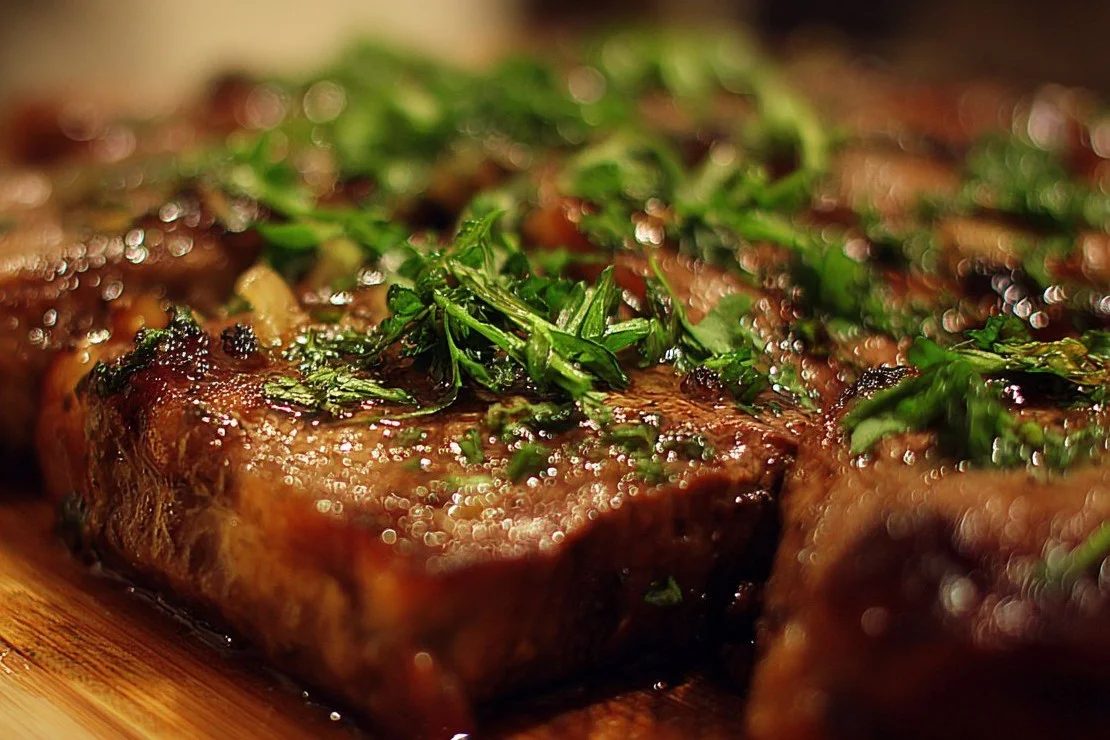
The first time I prepared a beef steak, I was both excited and nervous. It was a chilly Friday evening, and I had invited a couple of friends over for dinner. I envisioned them enjoying a perfectly cooked steak, its juices oozing with flavor, accompanied by warm sides and a casual atmosphere. With a decent cut of beef purchased from the local butcher and some carefully chosen spices, I felt confident this would be a hit. After all, a well-cooked beef steak has a way of impressing anyone.
Understanding the essence of beef steak can elevate your culinary skills, creating a meal that feels special yet is simple to prepare. From ribeye to sirloin, each cut brings its own flavor and texture, making the options endless and the results delicious.
What is Beef Steak
Beef steak is a cut of meat sourced from various parts of a cow, typically served grilled, pan-seared, or broiled. The quality and cut of the steak, along with the cooking method, largely dictate the flavor and texture of the final dish. Common cuts include ribeye, tenderloin, and flank steak, each presenting a unique profile.
Ribeye, often regarded as the most flavorful due to its marbled fat content, results in a juicy and tender eating experience. Tenderloin, on the other hand, is known for its lean and buttery texture, though it may lack the robust flavor found in other cuts. Flank steak is a bit tougher, but when cooked and sliced correctly, it can offer an incredible taste and chewiness.
Whether you’re treating yourself to a special meal or gearing up for a festive gathering, knowing the differences between these cuts can help in selecting the perfect steak for occasion.
Why You’ll Love This Beef Steak:
Beef steak is a crowd-pleaser for several reasons:
- Quick and simple to prepare: It requires minimal ingredients and can be cooked in a short amount of time, making it perfect for busy weeknights.
- Family-friendly meal: Everyone loves a good steak, and it’s an easy way to get kids interested in different types of protein.
- Great for beginners: Cooking a beef steak might seem intimidating, but with the right approaches, even novice cooks can achieve delicious results.
- Customizable: You can personalize your seasoning and cooking time based on preference, whether you like it rare, medium, or well-done.
- Versatile servings: Beef steak can be the star of the plate or beautifully paired with various sides, from salads to hearty mashed potatoes.
This dish holds the potential to impress with its rich flavors and hearty satisfaction, making it a staple in hearts and kitchens everywhere.
Ingredients
- 1 lb beef steak (such as ribeye or sirloin)
- Salt and pepper to taste
- 2 tablespoons olive oil or butter
- 2 cloves garlic, crushed
- Fresh herbs (like rosemary or thyme), optional
Step-by-Step Instructions for Beef Steak
Allow for Temperature Adjustment: Start by removing the steak from the fridge, letting it sit at room temperature for about 30 minutes. This step is crucial for even cooking.
Preheat the Cooking Pan: Preheat a heavy skillet over medium-high heat, ensuring the pan is hot before adding any oil or butter.
Season Generously: Season the steak on both sides with salt and pepper, ensuring robust flavor throughout.
Sear the Steak: Once your skillet is hot, add the steak. Sear it for about 3-5 minutes on each side. Remember, cooking time can vary based on thickness and desired doneness.
Add Aromatics: In the last minute of cooking, introduce the crushed garlic and fresh herbs to the pan for added flavor.
Rest Before Slicing: Remove the steak from the skillet and let it rest for 5-10 minutes. This resting phase allows the juices to redistribute throughout the meat, ensuring a juicy bite.
Serve it up and enjoy a meal that feels like a fine dining experience at home!
Pro Tips and Variations:
- Choose Quality Meat: Selecting a good cut of beef will make all the difference. Opt for USDA Prime or Choice grades for tenderness and flavor.
- Experiment with Marinades: Marinading your steak can add depth to the flavor profile. Consider simple marinades using olive oil, garlic, and your favorite herbs. For a zesty kick, add a splash of lemon juice or balsamic vinegar.
- Grill for a Smoky Flavor: If you have access to a grill, consider grilling your steak to enhance the flavors even further. The smoke adds a unique taste that’s delightful.
- Try Different Cooking Methods: For a twist, try sous vide cooking followed by a quick sear. This method ensures precise doneness while keeping meat succulent.
- Pair with Sauces: Consider serving with chimichurri or a simple herb butter for a gourmet touch.
There’s a world of possibilities when it comes to customizing your beef steak experience.
How to Serve Beef Steak
Serving a beef steak is an experience in itself. Here are some fantastic ideas to complement your dish:
- Accompany with Fresh Salads: A simple side salad with greens, tomatoes, and a light vinaigrette can balance out the richness of the steak.
- Pair with Starchy Sides: Potatoes—whether mashed, baked, or fried—make an excellent companion. Consider roasted sweet potatoes for a slightly healthier option.
- Add Grilled Vegetables: Grilled asparagus, zucchini, or bell peppers can enhance the meal’s color and provide essential nutrients.
- Serve with Rice: A fluffy garlic or herb rice can absorb the steak juices, creating a flavorful base that many of your guests will love.
- Incorporate Bread: Warm crusty bread works great for soaking up any leftover juices on the plate.
Crafting a memorable steak dinner is about marrying flavors and crafting an appealing presentation.
How to Store Beef Steak
Storing your leftover beef steak properly is crucial for maintaining its flavor and texture:
Refrigeration: If you have leftover steak, allow it to cool to room temperature, then wrap it tightly in plastic wrap or foil. Store it in the refrigerator for 3-4 days.
Freezing: For longer storage, consider freezing the steak. Wrap it in aluminum foil or freezer-safe bags, ensuring as much air as possible is removed to prevent freezer burn. Properly stored, it can last 6 months in the freezer.
Reheating: When ready to eat, let the steak thaw in the refrigerator overnight if frozen. To reheat, use a skillet over medium heat for 5-10 minutes or an oven preheated to 350°F for 10-15 minutes. Avoid microwaving as it can lead to a rubbery texture.
With proper care, leftover beef steak can still deliver delightful flavor even after initial cooking.
Nutrition Information
The nutritional value of beef steak will depend on the specific cut and preparation method, but here is a general overview:
- Calories: Roughly 242 calories per 3.5 ounces of ribeye
- Protein: Approximately 26 grams, a great source for muscle maintenance
- Fat: About 17 grams, with a portion being healthy fats
- Iron: Beef steak offers around 2.6mg per serving, supporting overall health
Beef steak can be a nutrient-rich option, especially when balanced with vegetables and wholesome sides.
FAQs about Beef Steak
1. What is the best cut of beef steak for grilling?
Ribeye is a favorite for grilling due to its marbling, providing rich flavor and tenderness. Filet mignon and sirloin are also great options.
2. How do I know when my steak is done?
Using a meat thermometer is the most accurate way. Aim for 130°F for medium-rare and 145°F for medium. For those without a thermometer, using the ‘finger test’ can also help gauge doneness.
3. Should I let my steak rest after cooking?
Absolutely! Resting allows the juices inside the steak to redistribute, making each bite more succulent.
4. Can I marinate beef steak overnight?
Yes, marinating overnight can enhance the flavor. However, be cautious of acidic marinades, which can break down the meat too much.
Conclusion
Cooking a beef steak at home can create a delightful dining experience that rivals any restaurant. It’s a versatile dish, adaptable to your taste, and an excellent choice for gatherings or intimate dinners. Try this beef steak recipe and share your experience; whether it becomes a go-to for family dinners or a special occasion treat, you won’t be disappointed. Enjoy the process, savor each bite, and promote the joy of cooking!