
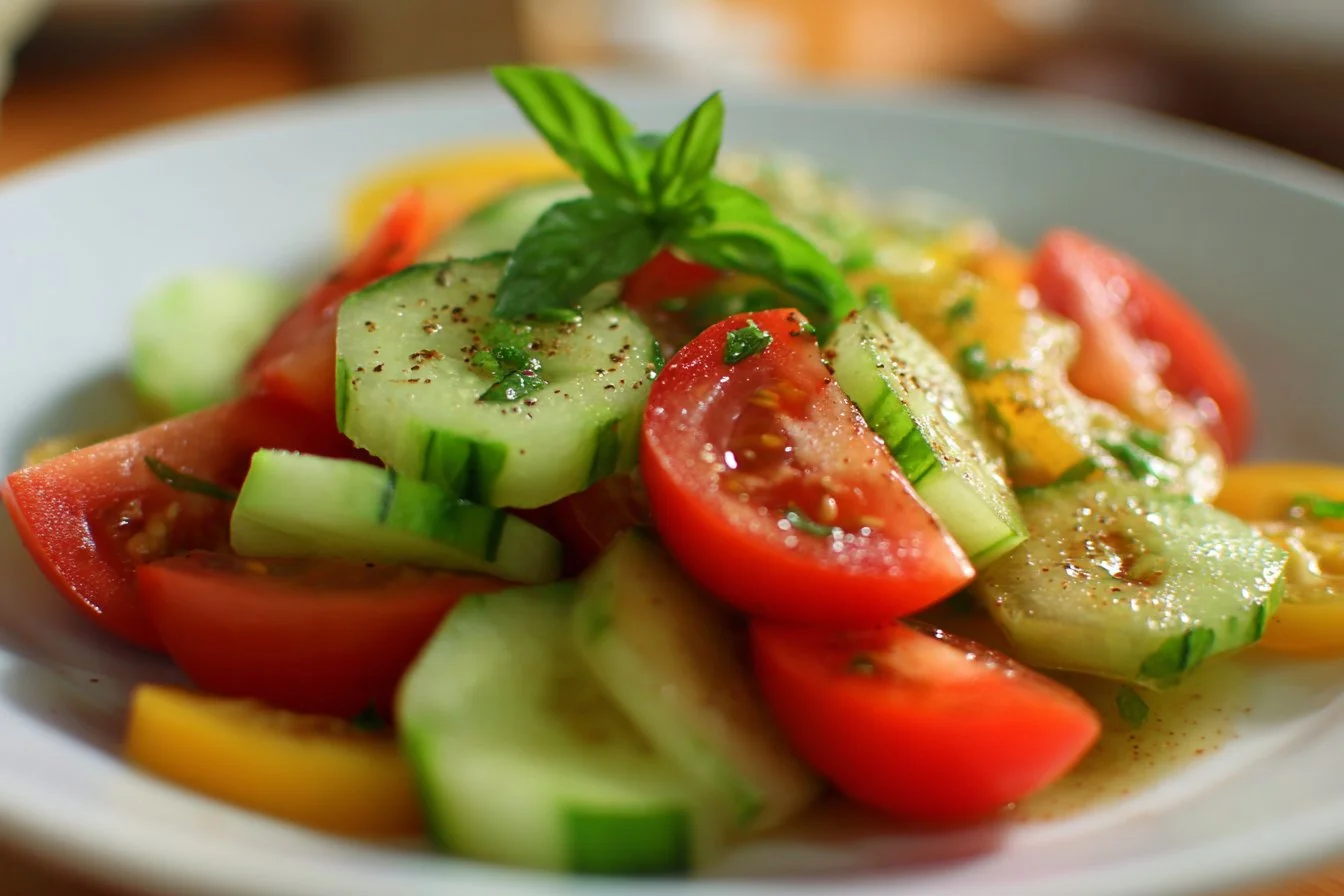
There’s something magical about the way a beautifully decorated salad can elevate a simple meal into a feast for the eyes. I remember the first time I experimented with salad decoration ideas. I was hosting a small gathering for friends and wanted to impress them with not just good food but also an enticing presentation. The colors, textures, and creativity in arranging the ingredients turned an ordinary bowl of greens into a masterpiece that sparked conversation and admiration. This experience opened my eyes to the art of salad decoration, showcasing how a little effort can transform a dish into a stunning display that enhances the overall dining experience.
What is Salad Decoration?
Salad decoration involves the careful arrangement and styling of salad components to create an appealing visual presentation. It goes beyond merely tossing together lettuce, tomatoes, and cucumbers; it encompasses the artistry of how these ingredients are placed together to entice the senses. Decorative elements can include edible flowers, vibrant fruits, assorted nuts, fresh herbs, and unique garnishes. The idea is to harness creativity while considering color contrast, texture variation, and the balance of flavors. Not only does this enhance the look of the dish, but it also can stimulate appetites, encouraging people to dive into a healthy option that might otherwise look less appealing.
Why You’ll Love This Salad Decoration Ideas:
When it comes to salad decoration ideas, there are numerous appealing reasons to explore this creative pursuit. Here are some highlights:
- Quick and Simple to Prepare: Decorating a salad can be done quickly, making it an accessible option even on busy days.
- Family-Friendly: Engaging children or family members in decorating their salads can make healthy eating more exciting.
- Perfect for Any Occasion: Whether it’s a casual family dinner, a festive gathering, or a formal event, beautifully decorated salads fit perfectly.
- Promotes Healthy Eating: A visually pleasing dish can encourage individuals to consume more vegetables and fruits.
- Endless Creativity: The possibilities for decorations are virtually limitless, allowing for personal expression and experimentation.
Ingredients
To create a stunningly decorated salad, consider the following ingredients:
- Fresh greens (such as kale, arugula, or mixed salad greens)
- Colorful vegetables (like bell peppers, radishes, and cucumbers)
- Protein options (grilled chicken, chickpeas, or tofu)
- Fruits (berries, oranges, or pomegranate seeds for sweetness)
- Nuts and seeds (almonds, walnuts, sunflower seeds)
- Edible flowers (such as nasturtiums or pansies for a pop of color)
- Salad dressings (light vinaigrettes or creamy dressings)
- Fresh herbs (basil, cilantro, or parsley for garnish)
Step-by-Step Instructions for Salad Decoration
Creating a visually appealing salad involves a few simple steps:
Choose Your Base: Start with a selection of fresh greens. Wash them thoroughly and dry them using a salad spinner to ensure your salad won’t be soggy.
Prepare Your Ingredients: Chop various vegetables, slice fruits, and grill or roast your protein choice. Aim for different shapes and sizes to create visual interest.
Arrange Your Base: Place a generous layer of the greens in a large bowl or on a platter. For individual servings, distribute the greens evenly on each plate.
Layer Your Ingredients: Begin layering your colorfully chopped vegetables and protein on top of the greens. Use a rainbow arrangement to emphasize contrasting colors and textures.
Add Decorative Elements: Sprinkle nuts and seeds generously across the salad. Incorporate artifacts like sliced fruits and edible flowers in a scattered but intentional manner.
Finishing Touches: Drizzle your favorite dressing lightly over the top. If desired, add a final touch of fresh herbs for an aromatic boost.
Serve and Enjoy: Present the salad as a stunning centerpiece, ready to impress your guests and delight their palates.
Pro Tips and Variations:
Here are some pro tips and variations to enhance your salad decoration experience:
- Seasonal Ingredients: Use ingredients that are in season to ensure the freshest flavors and colors. In summer, think juicy peaches and vibrant tomatoes; in winter, consider hearty root vegetables.
- Textural Balance: Incorporate a mix of textures — crispy lettuce paired with creamy dressings, crunchy nuts, and juicy fruits can create a dynamism that excites your taste buds.
- Use a Theme: Developing a theme for your salad can simplify your decoration choices. For example, a Mediterranean theme might incorporate olives, feta cheese, and artichokes.
- Personal Touch: Consider incorporating ingredients that reflect your personal preferences or cultural background. This can make the dish more meaningful.
- Mini-Salads: For events, consider serving mini-salads in small glasses or jars. They can be visually striking and allow guests to sample different types of salads.
How to Serve Salad
Serving a beautifully decorated salad can be done in several appealing ways:
- As a Main Course: Large platters of decorated salad can serve as a light main course, especially if piled high with proteins such as grilled chicken or seafood.
- As a Side Dish: Smaller portions can accompany various dishes, making them ideal side salads for barbecues or formal dinners.
- Individual Servings: Create individual salads in small bowls or jars. This not only enhances presentation but also makes it easy for guests to enjoy.
Pair your salads with complementary dishes such as whole grains, proteins, or soups. Offering a variety of dressings on the side allows everyone to customize according to their preference.
How to Store Salad
Storing salad correctly can maintain its freshness and presentation. If you have leftovers, follow these steps:
- Refrigeration: Store your salad in an airtight container to keep the ingredients fresh. If the salad includes dressing, it is best to separate it into another container to prevent wilting.
- Consumption: Leftover salad is best consumed within 1-2 days. The earlier it is eaten, the more enjoyable it will be in flavor and texture.
- Reheating: Typically, salads are served cold. However, if you wish to warm up any protein or grains, do so gently in a microwave and add them back to the salad once cooled slightly.
Nutrition Information
While salad decoration is about aesthetics, nutrition plays a crucial role as well. A well-balanced salad can provide:
- High Fiber Content: Assorted vegetables and greens can contribute to a good source of dietary fiber, promoting digestive health.
- Vitamins and Minerals: A varied salad rich in colors translates to a wealth of vitamins, such as Vitamin C from fruits, and essential nutrients found in herbs and greens.
- Low-Calorie Option: Salads are generally low in calories, especially when filled with vegetables and light dressings, making them ideal for weight management.
By incorporating whole grains and proteins, salads can form a complete meal packed with energy and nutrition.
FAQs Salad Decoration Ideas
**Q: Can I make salads ahead of time?**
A: Yes, preparing salads ahead of time can save time. Just store undressed salads in airtight containers and add dressings right before serving for freshness.
Q: What are some easy salad decoration ideas?
A: You can use colorful sliced vegetables, edible flowers, or fruit slices to brighten your salads. Using a variety of herbs adds both flavor and visual appeal.
Q: How can I keep salads fresh longer?
A: Always store salads in airtight containers with dressing on the side. Adding a paper towel can also help absorb excess moisture, prolonging freshness.
Q: Can I use frozen fruits or vegetables for decoration?
A: While fresh ingredients are preferable for decoration, thawed frozen fruits can be used. Just ensure they are not overly mushy before adding them to your salad.
Conclusion
Exploring salad decoration ideas is not just about making your food look good; it’s about enhancing the overall dining experience and nurturing a love for healthy eating. As you venture into this colorful world of creativity, remember that the joy of preparing a stunning salad lies not only in the aesthetics but also in the fresh flavors and nutritious ingredients. Try your hand at these methods and elevate your meals, and don’t forget to share your experiences with friends and family!