
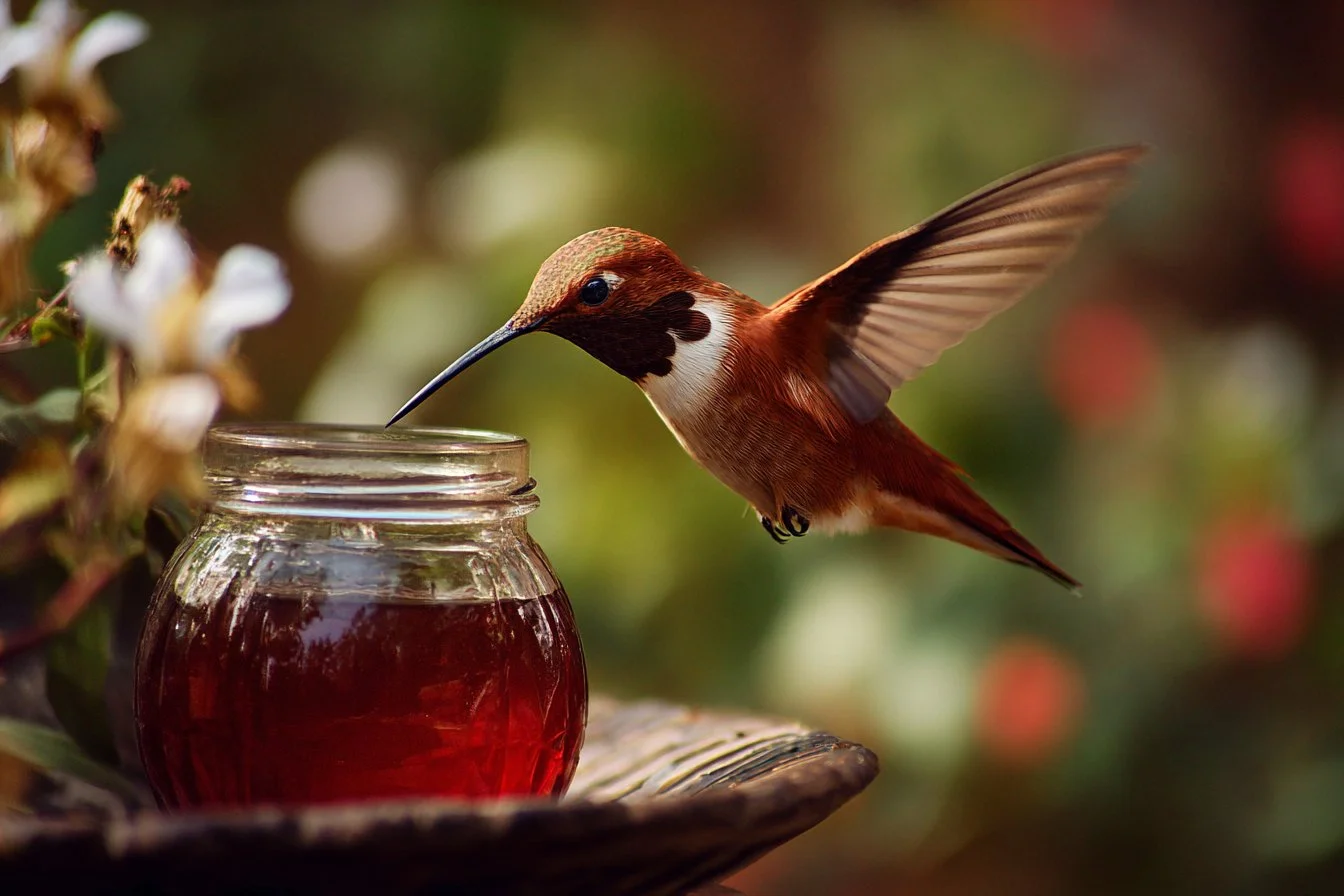
Watching hummingbirds flit and dart in the garden has always captivated me. Last spring, I decided to attract these vibrant creatures to my yard with a homemade nectar recipe. I learned that Hummingbird Nectar is not just simple to make; it’s vital for nourishing these tiny birds, providing them with the energy they need. The moment I hung the feeder filled with this sweet concoction, I found myself mesmerized by the delicate beauty of hummingbirds hovering around, their wings a blur. It was a joy to witness their eagerness to sip the nectar I had prepared, reinforcing just how crucial this homemade mix is for them.
What is Hummingbird Nectar
Hummingbird Nectar is a simple sugar-water solution that serves as a primary food source for hummingbirds. This nectar mimics the natural sugars found in flowers, which these birds typically consume. In nature, hummingbirds feed on the nectar of various blossoms, gaining essential energy for their rapid metabolism and active lifestyle. The nectar is straightforward to create; it consists mainly of white granulated sugar and water, with careful attention given to proper ratios. Not only does it entice these birds to your garden, but making your own nectar also ensures that they are feeding on a safe, chemical-free mix.
Hummingbirds, known for their dazzling agility and speed, rely on this energy-rich liquid to fuel their high metabolic rates. Unlike many other birds, they require frequent refueling, consuming twice their body weight in nectar daily. They are attracted to bright colors, especially red, making feeders designed in such hues particularly effective. Making Hummingbird Nectar not only helps in attracting these little birds to your garden but also provides you with a beautiful connection to nature as you watch them devour this sweet treat.
Why You’ll Love This Hummingbird Nectar:
Creating Hummingbird Nectar is not just beneficial for the birds; it also brings several advantages to you as a gardener or bird enthusiast. Here are some reasons you’ll appreciate making this nectar:
- Quick and simple to prepare: The recipe requires just two ingredients and can be ready in minutes, making it an easy task for anyone.
- Family-friendly activity: Involving kids or family members in making and hanging the nectar can be a fun way to bond over nature.
- Attracts diverse wildlife: By placing feeders in your yard, you not only attract hummingbirds but also create a habitat that encourages other bird species to visit.
- Budget-friendly: Purchasing nectar at stores can become costly; making your own is significantly cheaper and allows you more control over what the birds consume.
- Environmentally beneficial: Using homemade nectar ensures no harmful additives or dyes, supporting a healthy ecosystem and avian population.
Making Hummingbird Nectar connects you with nature, enriching your environment while providing sustenance to these beautiful creatures. The chance to observe them feeding adds a delight that many find rewarding.
Ingredients
- 1 part white granulated sugar
- 4 parts water
This simple combination creates a nectar that is not only effective but is also safe for the hummingbirds. It is critical to use plain granulated sugar, as alternatives like honey or artificial sweeteners can be harmful to these delicate birds. Ensuring the correct ratio of sugar to water is vital for creating the ideal energy source.
Step-by-Step Instructions for Making Hummingbird Nectar
Making Hummingbird Nectar is a straightforward process that lets you enjoy the visiting birds in no time. Follow these simple steps:
Measure Ingredients: Start by measuring 1 part sugar to 4 parts water. For example, if you use 1 cup of sugar, you’ll need to mix it with 4 cups of water.
Combine in a Saucepan: Pour the measured sugar and water into a saucepan. It’s essential to use a non-reactive pan, such as stainless steel or glass, to prevent any chemical reactions.
Heat the Mixture: Place the saucepan over medium heat. Stir the mixture gently until the sugar dissolves completely. There’s no need to boil the mixture; heating just enough to dissolve the sugar is ideal.
Cool the Nectar: Once the sugar has dissolved, remove the saucepan from heat. Allow the nectar to cool down to room temperature before transferring it to your hummingbird feeder.
Fill the Feeder: Avoid using any red dye, as it can be harmful to the birds. Instead, use a feeder with red components to attract them. Fill the feeder with the cooled nectar and cap it tightly.
Hang the Feeder: Place the feeder in a shaded area of your garden to prevent the nectar from spoiling too quickly. Ensure it’s at eye level for the best viewing experience.
Change and Clean: Refresh the nectar every 3 to 5 days, more frequently in hot weather. Clean the feeder thoroughly with hot water to prevent mold and bacteria buildup.
By following these steps, you’ll have a ready supply of Hummingbird Nectar that will keep your feathered friends delighted and frequenting your yard.
Pro Tips and Variations:
To ensure you’re getting the best results while making Hummingbird Nectar, consider these pro tips and variations:
- Adjust Ratios for Different Seasonal Needs: In colder months, some bird experts suggest a slightly richer mix of 1 part sugar to 3 parts water to provide more energy for birds that may be in need of extra calories.
- Use Fresh Ingredients: Always opt for fresh, clean sugar and water. Avoid using sugar that has started to clump or contains impurities.
- Monitor Feeder Placement: Regularly observe where the feeders are placed. If you notice fewer birds, try relocating it to a different area that may be more attractive.
- Avoid Red Dye and Additives: Red dye is unnecessary and can be harmful; focus on attracting them through the feeder’s color and the sweetness of the nectar.
- Experiment with Different Feeders: Some feeders have unique designs that help minimize spills or keep ants away. Experimenting may lead to a more effective feeding station.
- Observe and Adjust: Take note of what works best for attracting hummingbirds in your area. Adjusting feeder styles, locations, and nectar composition may enhance your success.
Implementing these tips will help you become a successful hummingbird host, creating an inviting environment that delights both you and the birds.
How to Serve Hummingbird Nectar
Hummingbird Nectar is best served fresh and cool in specially designed feeders. Here’s how to maximize its effectiveness:
Feeder Selection: Use feeders with small ports to prevent wasps and bees from entering, allowing hummingbirds to feed peacefully. Look for feeders with red accents to attract them more effectively.
Placement in the Garden: Hang your feeders in a shaded area to slow down fermentation and spoilage of the nectar. Position them near flowering plants or shrubs to provide hummingbirds with natural food sources.
Regular Monitoring: Keep an eye on the nectar levels and replace it every few days. In hot weather, the nectar can spoil quickly, so a daily check is best.
Group Feeders Together: If you have multiple feeders, placing them close together can encourage multiple birds to visit and may reduce territorial disputes among them.
By implementing these strategies, you’ll create a welcoming environment for hummingbirds, increasing the chances of them frequenting your yard.
How to Store Hummingbird Nectar
If you have leftover Hummingbird Nectar, proper storage ensures its freshness for future use. Here are some tips on how to store it effectively:
Refrigerate Extra Nectar: After cooling, any excess nectar can be stored in a clean container with a lid. Place it in the refrigerator to keep it fresh for up to a week.
Freezing Nectar: For longer storage, consider pouring the nectar into ice cube trays. Once frozen, transfer the cubes into a freezer-safe bag. When needed, you can thaw a cube to refill your feeders.
Avoid Long-Term Storage: It’s best not to store nectar for too long, as freshness is vital for the birds. Always check for any signs of spoilage, such as cloudiness or off odors, before use.
Reheating Safely: If you have refrigerated or frozen nectar, ensure you let it return to room temperature before placing it in feeder. Avoid boiling or reheating in a microwave, as this can alter its quality.
Following these tips will ensure that your Hummingbird Nectar remains safe and appealing to the birds, enhancing their feeding experience.
Nutrition Information (Optional but Recommended)
While specific nutritional information for Hummingbird Nectar isn’t commonly calculated like human food, knowing that it primarily consists of sugar is essential. The nectar serves as a high-energy resource for the birds:
- Calories: Hummingbird Nectar is primarily composed of sugar, thus it is high in carbohydrates, providing instant energy.
- Sugars: The nectar offers a quick sugar source, crucial for hummingbirds’ fast metabolism.
- No fats or proteins: This solution lacks fats or proteins, which is why pairing with naturally occurring nectar sources from flowers is ideal.
For optimal health, ensure that the feeder is clean, and the nectar is free from harmful additives. This keeps the birds thriving and coming back for more.
FAQs about Hummingbird Nectar
Do I need to add dye to my hummingbird nectar?
No, there’s no need for red dye in the nectar. Natural red feeders attract hummingbirds without the risks associated with dye.How often should I refresh the nectar in my feeders?
Refresh the nectar every 3-5 days, with more frequent changes in hot weather to prevent spoilage.Can I use brown sugar or honey instead of white sugar?
It is recommended to use white granulated sugar, as honey can be harmful to hummingbirds. Brown sugar may introduce impurities.What is the best way to clean the feeder?
Clean the feeder with hot water and a mild soap solution. Rinse thoroughly before adding fresh nectar. Avoid using bleach or chemicals.
Conclusion
Making Hummingbird Nectar is not just an enjoyable activity; it also plays a significant role in supporting the health and wellbeing of these extraordinary birds. This simple recipe allows you to connect with nature while providing a necessary food source, enriching your outdoor spaces. Moreover, by closely observing the hummingbirds as they visit your feeders, you create moments of joy and wonder.
Try this easy recipe for Hummingbird Nectar today, and watch as your garden transforms into a vibrant space filled with the enchanting presence of these lovely birds. Share your experiences and stories as you enjoy their company and spread the joy of attracting hummingbirds to your local environment.
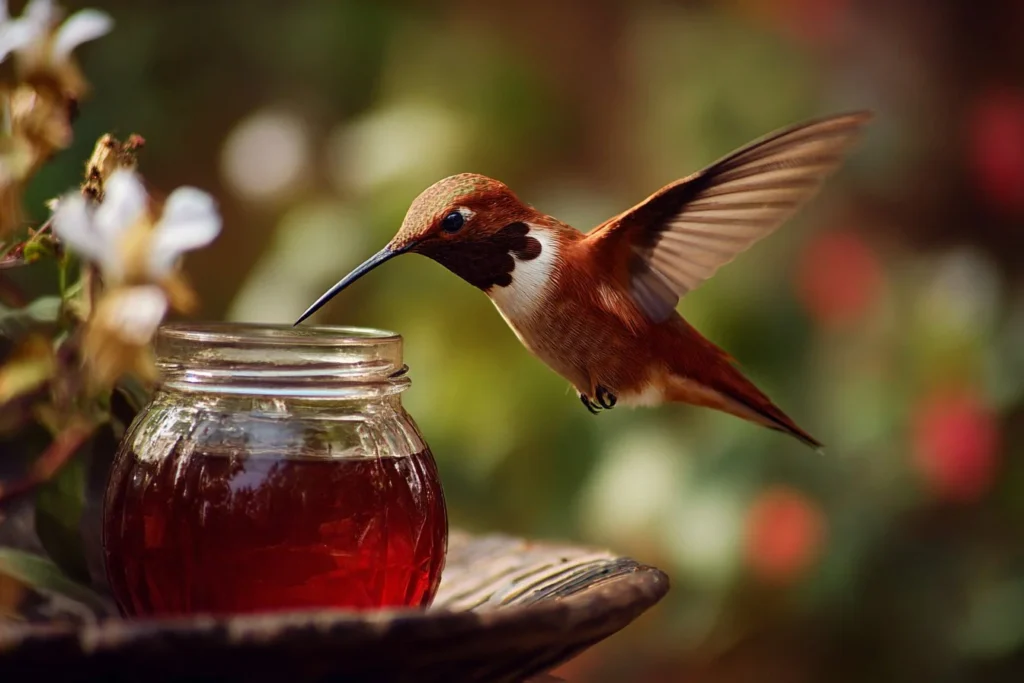
Hummingbird Nectar
Ingredients
Method
- Measure 1 part sugar to 4 parts water. For example, if you use 1 cup of sugar, mix it with 4 cups of water.
- Combine the measured sugar and water in a non-reactive saucepan.
- Heat the mixture over medium heat, stirring gently until the sugar dissolves completely. Do not boil.
- Remove from heat and allow the nectar to cool to room temperature.
- Fill the feeder with the cooled nectar and ensure it is capped tightly.
- Hang the feeder in a shaded area of your garden for best results.
- Refresh the nectar every 3 to 5 days, especially in hot weather. Clean the feeder with hot water.