
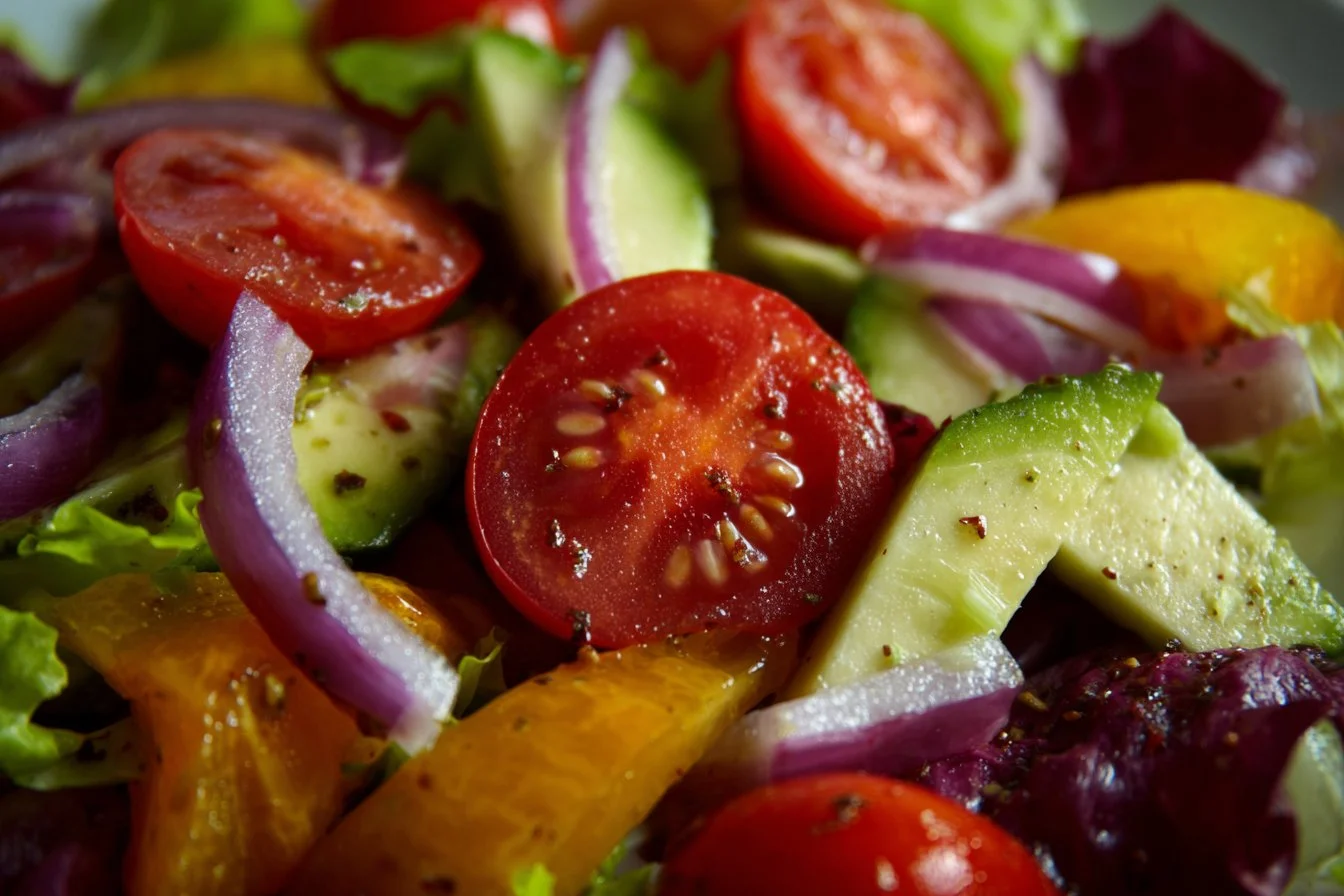
It was a sunny afternoon when I decided to create a fresh salad that would capture the essence of summer. I wandered through my garden, picking ripe tomatoes and crisp cucumbers. The vibrant colors and scents inspired me; the idea of tossing these fresh ingredients with a simple dressing made my mouth water. That moment, surrounded by nature’s bounty, drove home the realization that there’s something inherently satisfying about preparing a fresh salad. It’s not just about eating healthy; it’s about celebrating the natural flavors and textures found in simple, wholesome ingredients.
What is Fresh Salad
A fresh salad is more than just a mix of greens and toppings; it’s a vibrant collection of seasonal vegetables and fruits, often combined with grains, nuts, or proteins. Typically served cold, fresh salads are versatile and can be tailored to suit individual tastes and dietary preferences. They often feature a variety of ingredients, from leafy greens like lettuce and spinach to colorful additions such as bell peppers, avocados, and olives. The beauty of a fresh salad lies in its adaptability; you can dress it up with various vinaigrettes or keep it light with just a splash of lemon juice.
Why You’ll Love This Fresh Salad:
Creating and enjoying a fresh salad can benefit you in numerous ways, such as:
– Quick and simple to prepare
– Full of nutrients and low in calories
– A perfect way to utilize whatever vegetables you have on hand
– Family-friendly meal that can please both kids and adults
– Great for meal prep, saving you time during busy weeks
– Refreshing and satisfying, ideal for warm weather
These benefits make fresh salads not only a healthful choice but also a delightful addition to your dining experience. They can be an accompaniment to your main meals or a stand-alone dish.
Ingredients
This fresh salad requires simple, accessible ingredients that pack a flavor punch, including:
– 4 cups of lettuce (mixed varieties are great)
– 2 medium tomatoes, diced
– 1 cucumber, diced
– 2 medium carrots, grated
– 3 tablespoons of olive oil
– 2 tablespoons of vinegar (balsamic or apple cider work well)
– Salt and pepper to taste
Step-by-Step Instructions for Fresh Salad
1. Begin by washing and chopping the lettuce into bite-sized pieces.
2. Dice the tomatoes and cucumbers, making sure to remove any seeds from the cucumber for a less watery salad.
3. Grate the carrots using a box grater or a food processor to achieve fine shreds.
4. In a large bowl, combine all the prepared vegetables, ensuring an even mix.
5. Drizzle the olive oil and vinegar over the salad ingredients, adjusting the quantities to taste.
6. Season with salt and pepper to enhance the flavors.
7. Toss the salad gently to combine all ingredients evenly. Serve immediately for the freshest taste.
Pro Tips and Variations:
– To add protein, consider including grilled chicken, chickpeas, or a sprinkle of feta cheese.
– If you prefer a crunch, add nuts or seeds like almonds, sunflower seeds, or pumpkin seeds.
– Explore various dressings; try mixing yogurt with herbs for a creamy option or a citrus-based dressing for a zesty twist.
– For added flavor, incorporate fresh herbs like basil, parsley, or cilantro.
– Make it a meal by serving with whole grain bread or over a bed of quinoa.
How to Serve Fresh Salad
Fresh salads can be enjoyed in numerous ways. They make an exceptional accompaniment to grilled meats or fish, providing a refreshing contrast to heartier dishes. Alternatively, you could serve it as a standalone meal by adding proteins or grains. For events and gatherings, consider presenting it in a large bowl, allowing guests to serve themselves. Pair it with homemade bread or pita chips for a satisfying lunch or dinner.
How to Store Fresh Salad
To store any leftover fresh salad, place it in an airtight container in the refrigerator. It’s best consumed within two days to maintain the freshness and crunch of the greens. If you’ve dressed the salad beforehand, consider storing the dressing separately to prevent sogginess. When ready to enjoy, simply reassemble the salad, adding new components if desired, to elevate the flavors once again.
Nutrition Information
A serving of fresh salad typically contains:
– Calories: 150 (without added protein)
– Fats: 10g (primarily from olive oil)
– Carbohydrates: 12g
– Fiber: 4g
– Protein: 3g (depends on additions)
This nutritional profile highlights the dish’s benefits, making it a compelling choice for those seeking to maintain a balanced diet.
FAQs Fresh Salad
**Q1: Can I make this salad ahead of time?**
Yes, you can prepare the vegetables a few hours in advance, but it’s best to dress the salad right before serving to keep the ingredients fresh.
Q2: What other vegetables can I add?
Feel free to include bell peppers, radishes, sweet corn, or even fruits like apples and berries for added sweetness.
Q3: Is this salad suitable for a vegan diet?
Absolutely, it’s naturally vegan. Just ensure any dressings you choose are vegan-friendly.
Q4: How can I reduce calories in this salad?
Using less dressing or substituting it with lemon juice can significantly lower the calorie count.
Conclusion
Trying your hand at a fresh salad is not just a recipe; it’s an experience that celebrates freshness and flavor. With its vibrant colors and delicious combinations, this dish is worth making often. Explore different variations, enjoy it as a side or a main, and don’t forget to share your experiences with friends and family. As you savor each bite, you’ll appreciate not just the taste but also the many health benefits packed into this simple yet delightful dish.