
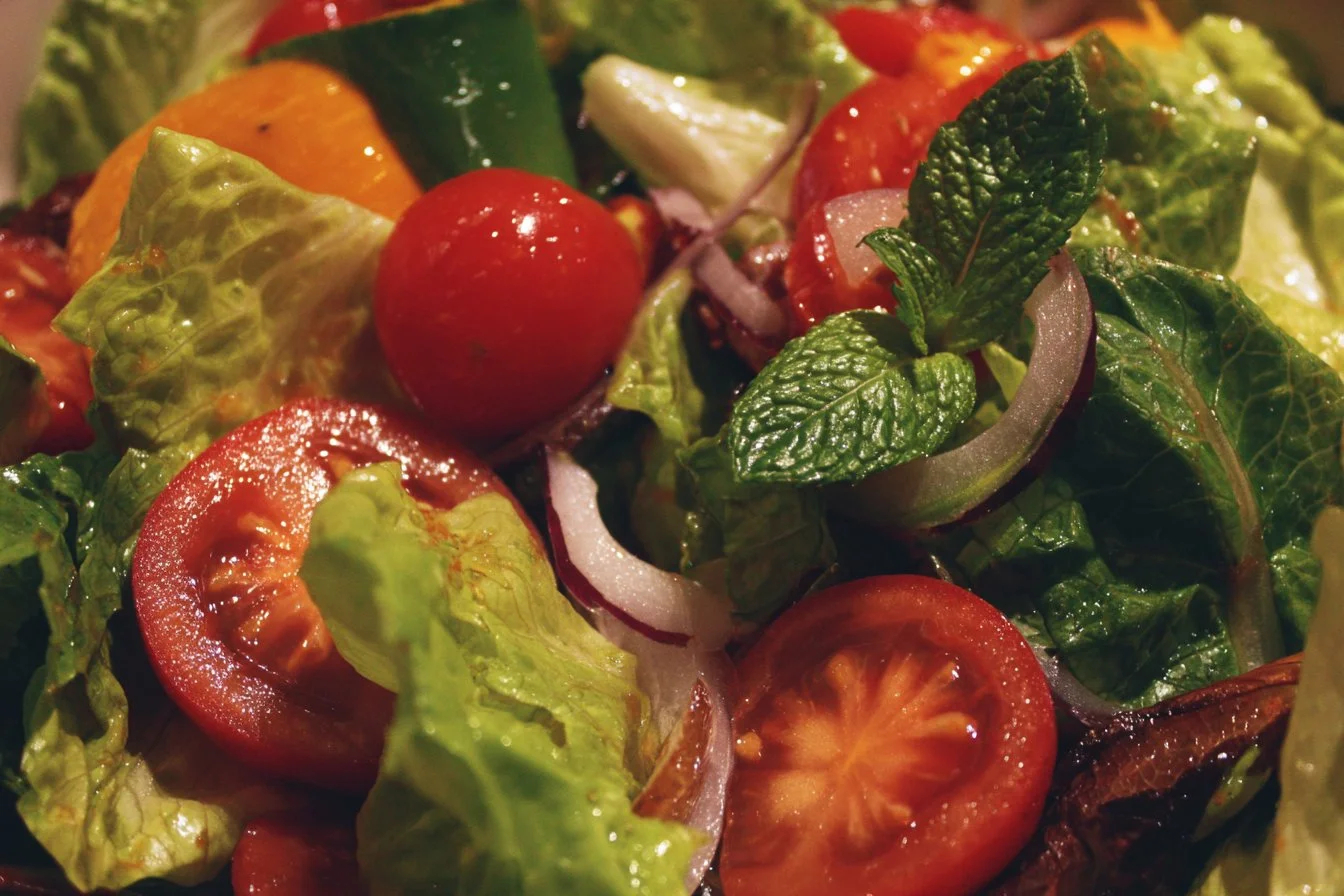
I still remember the first time I tasted a garden salad at my grandma’s house. The vivid colors of the fresh vegetables paired with the tangy dressing made it a feast for both the eyes and the palate. Living in a bustling city, it can sometimes be difficult to find a moment that feels as refreshing as that. A garden salad is not just a dish; it’s a celebration of nature’s bounty, bringing together the crispness of lettuce, the juiciness of tomatoes, and the crunch of cucumbers, all harmoniously combined. Preparing a garden salad is not only quick and easy, but it also allows you to be creative with your ingredients. This dish reminds me that healthy eating doesn’t have to be boring. Whether you serve it as a side or as a main meal, a garden salad has a delightful way of brightening up any table.
What is Garden Salad
A garden salad is a vibrant mix of raw vegetables, typically consisting of leafy greens, tomatoes, cucumbers, carrots, and various other fresh ingredients. The beauty of a garden salad lies in its versatility. You can customize it to your liking by adding ingredients like bell peppers, radishes, or even fruits, such as strawberries or apples. The essence of this salad is in its freshness; using quality, seasonal produce vastly enhances the flavors. It is often dressed with a simple vinaigrette made from olive oil, vinegar, salt, and pepper, allowing the natural flavors of the vegetables to shine. Ideal as a light meal or a side dish, garden salad offers a refreshing escape from heavy, cooked dishes, making it a staple in many households.
Why You’ll Love This Garden Salad:
This garden salad is more than just a blend of fresh veggies; it offers numerous benefits that are sure to please everyone:
- Quick and simple to prepare: Ready in just a few minutes with no cooking involved.
- Family-friendly meal: Perfect for all ages, encouraging healthier eating habits.
- Great for beginners: No complicated techniques; just chop and mix.
- Versatile: Adapt the ingredients based on what you have at home or your personal preferences.
- Healthy and nutritious: Packed with vitamins, minerals, and fiber that are essential for a balanced diet.
- Affordable: A budget-friendly dish that utilizes readily available ingredients.
Given its simplicity and freshness, this salad is ideal for casual family dinners, potlucks, or even as a quick lunch. It’s a delicious way to incorporate more vegetables into your daily routine.
Ingredients
To make a delightful garden salad, you will need the following ingredients:
- 1 head of lettuce (Romaine or Iceberg)
- 2 medium tomatoes
- 1 cucumber
- 2 medium carrots
- 2 tablespoons of olive oil
- 1 tablespoon of vinegar (white or apple cider works well)
- Salt and pepper, to taste
These ingredients provide a solid base, but feel free to add additional vegetables or proteins based on your preferences.
Step-by-Step Instructions for Garden Salad
- Begin by thoroughly washing all your vegetables to remove any dirt or pesticides.
- Chop the lettuce into bite-sized pieces and place them in a large salad bowl.
- Dice the tomatoes and cucumber, adding them to the bowl along with the chopped lettuce.
- Peel and slice the carrots into thin rounds or grate them for a finer texture; add these to the salad bowl.
- In a separate small bowl, whisk together the olive oil, vinegar, salt, and pepper to create a dressing.
- Drizzle the dressing over the salad ingredients and toss gently to ensure even coating.
- Serve immediately for the freshest flavors, or refrigerate for a short time before serving.
This process is straightforward and allows for variations depending on what you like. The key is to use fresh, crunchy vegetables to maintain that garden-fresh taste.
Pro Tips and Variations:
To elevate your garden salad experience, consider the following tips and variations:
- Add Protein: Incorporate grilled chicken, chickpeas, or tofu for a more substantial meal.
- Experiment with Dressings: Try different vinaigrettes, such as balsamic or lemon-based dressings, to find your favorite flavor combination.
- Mix in Fruits: Add fruits like apples, pears, or grapes to introduce a sweetness that complements the savory veggies.
- Herbs for Freshness: Fresh herbs such as basil, parsley, or cilantro can enhance the flavor profile further.
- Replace Greens: Swap out traditional lettuce for other greens like spinach or arugula to mix things up.
- Add Nuts or Seeds: Sprinkle in walnuts, almonds, or sunflower seeds for added texture and nutrition.
These variations make it easy to keep the dish exciting while catering to different tastes and dietary preferences.
How to Serve Garden Salad
A garden salad can stand alone as a light meal or pair beautifully with various main courses. Here are some serving suggestions:
- As a Side Dish: Serve alongside grilled meats, pasta, or any hearty food to provide a refreshing contrast.
- With Grilled Vegetables: Pair the salad with grilled vegetables for a satisfying vegetarian meal.
- Wraps and Sandwiches: Use the salad as a crunchy topping for wraps or sandwiches, adding a fresh dimension to your meal.
- Picnics and Barbecues: Perfect for outdoor gatherings, it can be prepped ahead of time and served chilled.
Consider garnishing with additional herbs or croutons for an eye-catching presentation. The versatility of a garden salad makes it suitable for any occasion.
How to Store Garden Salad
Storing leftover garden salad properly helps to maintain its freshness. Here’s how:
- Refrigeration: If you have leftover salad, place it in an airtight container and store it in the refrigerator. It can be kept for up to 2 days.
- Keep Dressing Separate: To prevent the vegetables from becoming soggy, store any dressing separately and add it just before serving.
- Freezing: While fresh salads are best enjoyed immediately, you can freeze some vegetables like carrots or cucumbers after blanching; however, freezing lettuce is not recommended as it will lose its crunch.
When ready to eat, simply assemble fresh ingredients and dress the salad for optimal flavor and texture.
Nutrition Information
A garden salad is not only delicious but also nutritious. Here’s a basic breakdown of the nutritional content per serving:
- Calories: Approximately 150 calories (without added proteins or dressings)
- Carbohydrates: 10g
- Protein: 2g
- Fat: 12g (mostly from olive oil)
- Fiber: 3g
- Sugars: 3g
Packed with vitamins A and C from the vegetables, garden salad contributes to healthier skin and immune function while being low in calories.
FAQs about Garden Salad
1. Can I add cooked vegetables to my garden salad?
Absolutely! Cooked vegetables like roasted bell peppers or steamed broccoli can add different flavors and textures.
2. How can I make my garden salad more filling?
For a heartier meal, add proteins such as beans, grilled chicken, or cheese.
3. Is it necessary to use a dressing?
While a dressing enhances flavors, it’s not mandatory. You can enjoy the salad with just a sprinkle of salt and pepper.
4. Can I prepare garden salad in advance?
Yes, but it’s best to assemble it the day of serving. If preparing ahead, keep dressing and delicate ingredients separate.
Conclusion
A garden salad is a vibrant and nutritious addition to any meal, bringing together an array of flavors and textures that are both satisfying and healthy. With its simplicity and versatility, it encourages creativity in the kitchen. Whether enjoyed on its own or alongside your favorite main dishes, this salad is sure to please. Share your experience after trying this recipe; you may find that a garden salad becomes a staple in your meal rotation.