
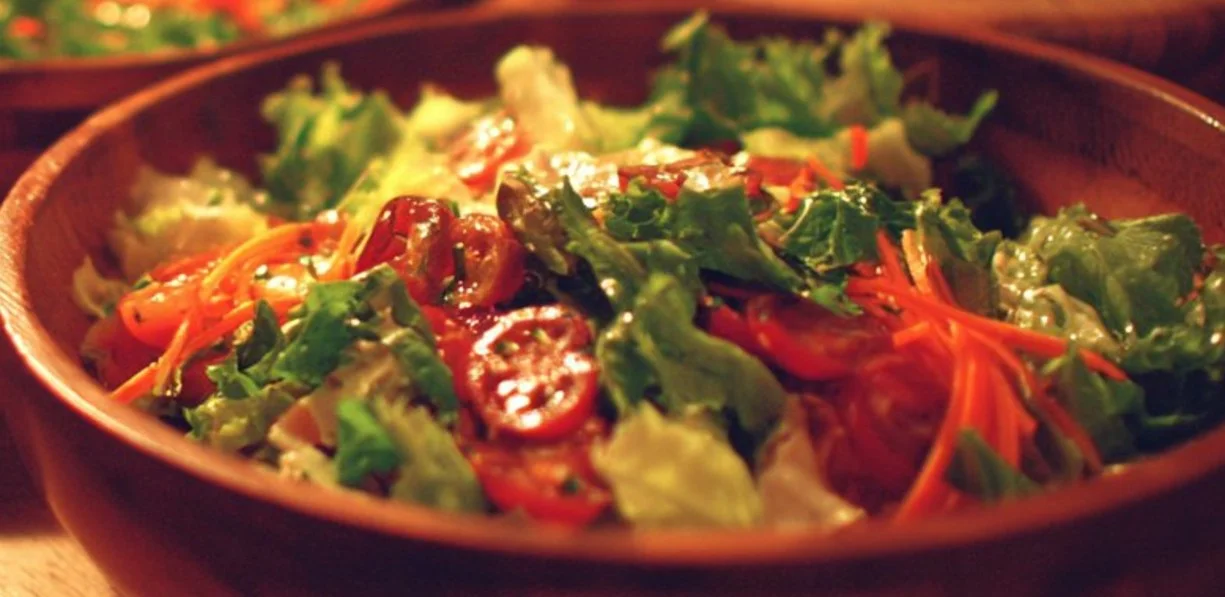
It was the perfect sunny afternoon when I first decided to prepare a vibrant, fresh salad that brought together light and refreshing flavors. I was craving something healthy yet delicious, and the thought of colorful salad bowls filled with crisp ingredients instantly caught my fancy. Salad bowls, with their endless combinations and delightful textures, became my go-to for quick meals that satisfied both my hunger and my taste buds. Each vibrant bite offered a crunch of health, a splash of zest, and a moment of pure enjoyment. This experience ignited a passion for experimenting with different components in salad making, leading to countless variations to suit any occasion.
What is Salad Bowls
Salad bowls are versatile dishes that blend a variety of fresh vegetables, fruits, grains, and proteins, all artfully arranged within a bowl. They can range from simple combinations of greens topped with a dressing to elaborate meals featuring a host of flavors and textures. The beauty of salad bowls lies in their adaptability; they can cater to vegetarian, vegan, and omnivorous diets alike by incorporating an array of ingredients. Furthermore, they can be enjoyed as an appetizer, a side, or a main dish, balancing nutrition and taste perfectly. The customization options make salad bowls a stellar choice for anyone looking to enhance their culinary repertoire, bringing freshness to every dining experience.
Why You’ll Love This Salad Bowls:
There are so many reasons to love salad bowls. They are a perfect choice for anyone seeking a quick yet nourishing meal option. Here are a few key benefits:
- Quick and simple to prepare.
- Family-friendly dish that encourages healthy eating.
- The base ingredients can be varied according to personal preferences.
- Perfect for meal prep and taking on the go.
- Encourages creativity in the kitchen, with countless flavor combinations.
Salad bowls are also an excellent way to use up leftover vegetables and other ingredients, helping to reduce food waste. They can be assembled in no time, making them ideal for culinary novices and seasoned cooks alike who want a delicious meal without elaborate steps.
Ingredients
To create a classic and colorful salad bowl, you’ll need the following ingredients:
- Lettuce (such as romaine or mixed greens)
- Tomatoes (cherry or diced)
- Cucumbers (sliced or chopped)
- Carrots (shredded or julienned)
- Bell peppers (sliced, choose a variety of colors for visual appeal)
- Olive oil (for dressing)
- Lemon juice (adds acidity and brightness)
- Salt (to enhance flavors)
- Pepper (for seasoning)
These ingredients come together to create a salad that is not only visually appealing but also brimming with nutrients and flavor.
Step-by-Step Instructions Salad Bowls
Creating your salad bowl is a straightforward process. Here’s how you can make it:
- Rinse and chop all your fresh ingredients: Start by washing the lettuce, tomatoes, cucumbers, carrots, and bell peppers thoroughly. Chop them into bite-sized pieces for easy eating.
- In a large bowl, combine all the chopped vegetables: Place the chopped ingredients into a spacious mixing bowl to allow for easy tossing in the later steps.
- Prepare the dressing: In a small bowl, whisk together the olive oil, lemon juice, salt, and pepper. This dressing adds a burst of flavor that will elevate your salad.
- Drizzle the dressing over the salad: Pour the dressing mixture over the vegetables and toss gently to ensure everything is well coated.
- Serve in individual bowls: Transfer the tossed salad into serving bowls, allowing each person to enjoy their own colorful creation.
This bowl assembles quickly, requiring minimal cooking while offering a hearty dose of nutrients.
Pro Tips and Variations:
As you become more comfortable with preparing salad bowls, consider experimenting with these tips and variations:
- Add Proteins: Incorporate grilled chicken, chickpeas, or tofu for added protein.
- Include Whole Grains: Quinoa, brown rice, or farro can turn your salad into a more filling dish.
- Explore Seasonal Vegetables: Use whatever is in season for freshness, like berries in summer or roasted squash in fall.
- Play with Textures: Include nuts for crunch or cheese, such as feta or goat cheese, for creaminess.
- Don’t Forget Herbs: Fresh herbs like parsley, cilantro, or basil can add an exciting twist.
These ideas can help you personalize your salad bowls to suit different tastes or dietary needs while keeping the base elements fresh and enjoyable.
How to Serve Salad Bowls
Salad bowls can be served in various creative ways to enhance your meal experience. Here are some ideas:
- Pair your salad with grilled meats or fish for a full meal; the freshness of the salad balances the richness of the protein.
- Offer bread on the side, such as toasted pita or crusty baguette, allowing for a delightful dip.
- Serve with a light soup as an appetizer for a complete and satisfying dining experience.
- For a brunch option, serve a salad bowl alongside scrambled eggs or an omelet.
These suggestions allow salad bowls to shine as a main dish or complement a wider array of meals, making them a versatile addition to your table.
How to Store Salad Bowls
If you have leftovers or want to prepare your salad bowls in advance, proper storage is essential. To keep your salad fresh:
- Store any leftovers in an airtight container in the refrigerator. The salad can typically last 1-2 days while maintaining its flavors.
- Keep the dressing separate if possible. This prevents the salad from becoming soggy; add it right before serving.
- For meal prep, pack ingredients in portions with the dressing stored in a small container, ensuring everything remains fresh until you’re ready to enjoy it.
Reheating is generally not necessary for salad bowls, but if you included warm ingredients, allow the salad to come to room temperature before serving.
Nutrition Information (Optional but Recommended)
Salad bowls are rich in vitamins, minerals, and health-promoting compounds. Here’s a brief overview of the nutritional highlights:
- High in fiber from the vegetables, contributing to digestive health.
- Provides essential vitamins, particularly Vitamin A (from carrots), K (from greens), and C (from peppers and tomatoes).
- The olive oil offers healthy fats that promote heart health.
- Depending on your additions, you can make it an excellent source of protein and whole grains.
Including salad bowls in your diet can support overall health and wellness while satisfying your taste preferences.
FAQs Salad Bowls
**1. Can I make salad bowls in advance?**
Yes, you can prepare the ingredients in advance, but it’s best to keep the dressing separate until you’re ready to serve to prevent sogginess.
2. What variations can I try?
You can customize your salad bowls with proteins, grains, nuts, seeds, and different dressings to suit your taste.
3. Are salad bowls healthy?
Absolutely! They are packed with nutrients and can be tailored to meet your dietary needs, making them a great choice for a healthy meal.
4. How do I keep my salad fresh longer?
Store your salad in an airtight container in the refrigerator, and separate the dressing when storing leftovers to maintain freshness.
Conclusion
Salad bowls are not only a feast for the eyes but also a wholesome addition to any meal, making them ideal for all occasions. The versatility and ease of preparation mean you can enjoy a fresh, delicious salad without spending hours in the kitchen. I encourage you to try making your own salad bowl, experimenting with different ingredients, and finding your unique flavor combinations. Share your salad bowl experience and discover just how enjoyable healthy eating can be!