
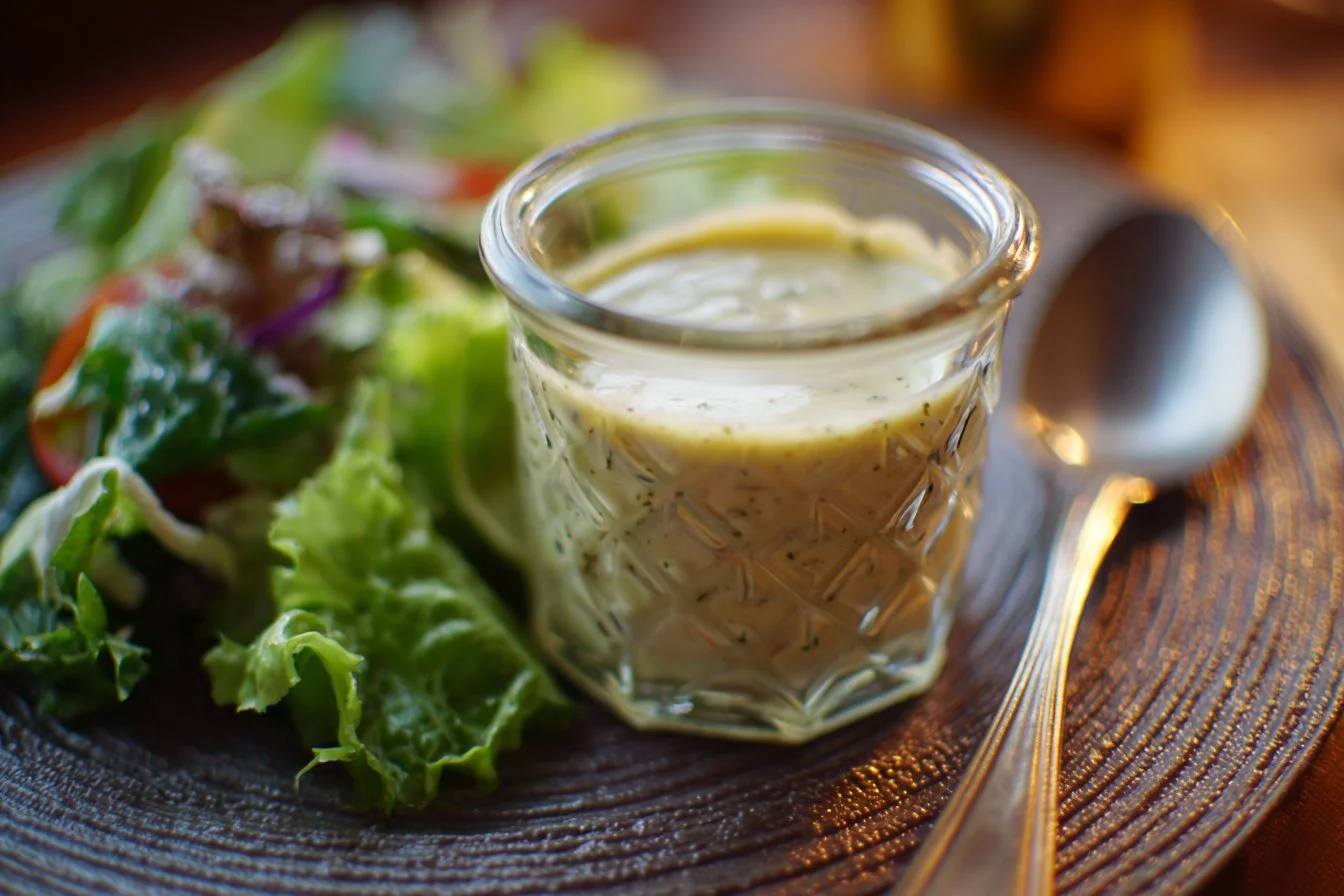
When I first discovered the art of making salad dressing from scratch, it revolutionized my meals. No longer did I have to rely on store-bought options packed with preservatives; instead, I could whip up something fresh and flavorful in just minutes. This simple switch not only enhanced the taste of my salads but also ignited my creativity in the kitchen. Each experiment helped me find the perfect balance of flavors that made every bite of fresh greens exciting. Today, I want to share with you the joys and simplicity of making your own salad dressing.
What is Salad Dressing
Salad dressing is a culinary blend that enhances the flavors of salads and other dishes. Typically made with a base of oil and vinegar or another acidic element, salad dressings can be creamy or vinaigrette-style. They often incorporate various seasonings, herbs, and other flavor enhancers, allowing for endless variations. At its core, a good salad dressing brings together the ingredients in your dish, adding a layer of richness and depth that can elevate even the simplest salads.
Dressing not only adds flavor but also plays a significant role in the presentation of your meal. A vibrant vinaigrette can brighten the colors of a salad, making it visually appealing. Additionally, making your own dressing gives you control over the ingredients, allowing you to create healthier options tailored to your dietary needs.
Why You’ll Love This Salad Dressing:
Creating your own salad dressing comes with numerous benefits that make it a worthwhile endeavor. Here are a few reasons to start blending your own dressings:
- Quick and simple to prepare: With just a few ingredients, you can create a dressing in minutes.
- Fresh flavors: Homemade dressings provide vibrant, customizable flavors that bottled options can lack.
- Healthier choice: Control over sugar, salt, and preservatives means you can cater to your health goals.
- Eco-friendly: Using homemade dressings reduces reliance on disposable packaging, benefiting the environment.
- Cost-effective: Making dressings at home can save you money in the long run, especially when buying in bulk.
Whether you’re looking to impress guests or just want a quick way to elevate your everyday meals, homemade salad dressing is a rewarding addition to your culinary repertoire.
Ingredients
To whip up a simple yet delicious salad dressing, you’ll need:
- Olive oil
- Vinegar (balsamic, red wine, or apple cider)
- Dijon mustard
- Honey or maple syrup
- Salt
- Pepper
These basic ingredients serve as the foundation for a plethora of dressings. Feel free to experiment by adding herbs, spices, or other flavor enhancers to suit your tastes.
Step-by-Step Instructions for Salad Dressing
Creating your own salad dressing is straightforward and can be completed in a few easy steps.
Start by measuring out your ingredients: 1/2 cup of olive oil, 1/4 cup of vinegar, 1 tablespoon of Dijon mustard, and 1 tablespoon of either honey or maple syrup.
In a small bowl, combine the olive oil and vinegar. Whisk them together until well incorporated.
Next, add the Dijon mustard and honey. Continue whisking until the mixture is smooth and creamy.
Finally, season with salt and pepper to taste. Remember, you can always adjust the seasonings as needed.
Serve immediately over your favorite salads or store in an airtight container for later use.
This dressing is not just limited to salads; it works wonderfully in marinades or drizzled over roasted vegetables as well.
Pro Tips and Variations:
To truly make your salad dressing unique, consider these pro tips and variations:
- Explore different oils: Besides olive oil, try avocado oil, sesame oil, or even flavored oils for a unique twist.
- Change the acid: Experiment with different types of vinegars or citrus juices like lemon or lime for a refreshing change in flavor.
- Add freshness with herbs: Chopped fresh herbs like parsley, basil, or dill can add a new dimension to your dressing.
- For a creamier texture, consider adding yogurt or tahini, which can transform your dressing into a rich dip.
- Play with sweetness: Depending on your salad, you may wish to adjust the level of sweetness. Maple syrup or agave nectar work well as alternatives to honey.
By trying different ingredients, you can adapt the dressing to perfectly match your meal or even your mood.
How to Serve Salad Dressing
The versatility of salad dressing allows you to pair it with a variety of dishes beyond just salads. Here are some serving suggestions:
- Toss it with fresh greens, accompanied by toppings like nuts, seeds, or cheese.
- Use the dressing as a marinade for grilled chicken or tofu to enhance their flavor.
- Drizzle over roasted vegetables or grains for a tasty side dish.
- Serve it as a dip for fresh veggies or pita chips at your next party.
- Experiment by adding it to pasta salads or grain bowls for an extra burst of flavor.
The ways to enjoy your homemade dressing are limitless, inviting creativity into every meal.
How to Store Salad Dressing
Proper storage of your homemade salad dressing ensures freshness and safety. Here’s how:
- Transfer any leftover dressing to an airtight container, such as a glass jar with a lid.
- Store in the refrigerator where it can last for up to one week.
- Before using, give it a good shake to re-emulsify, as separation is normal.
If you want to prepare a larger batch, consider storing it in smaller portions. However, avoid freezing, as the texture may change once thawed, especially if it contains vinegar.
Nutrition Information
While nutrition can vary based on ingredient choices, a typical serving of this homemade salad dressing contains the following:
- Calories: Approximately 100
- Total Fat: 10 grams
- Saturated Fat: 1.5 grams
- Sodium: Varied based on the amount of salt used
- Total Carbohydrates: 3 grams
- Sugars: 1.5 grams
This dressing is a healthier alternative to most commercial dressings, giving you a satisfying taste without overwhelming your meal with empty calories.
FAQs Salad Dressing
Can I make salad dressing ahead of time?
Yes, homemade salad dressing can be made a few days in advance and stored in the refrigerator.Is it possible to adjust the sweetness level?
Absolutely! Feel free to add more or less honey or maple syrup to fit your taste.Can I use this dressing for warm salads?
Yes, this dressing works well for warm salads. Just be mindful of the temperature not to overheat the dressing.What can I substitute for Dijon mustard?
You can use yellow mustard or omit it entirely for a different flavor profile.
Conclusion
Making your own salad dressing is a simple yet rewarding experience. With just a few ingredients and a little time, you can create a dressing that enhances your meals and caters to your taste preferences. I encourage you to give this recipe a try. Once you start experimenting with flavors, I believe you’ll find it hard to go back to store-bought options. Share your culinary creations and let others discover the joys of fresh, homemade salad dressing!