
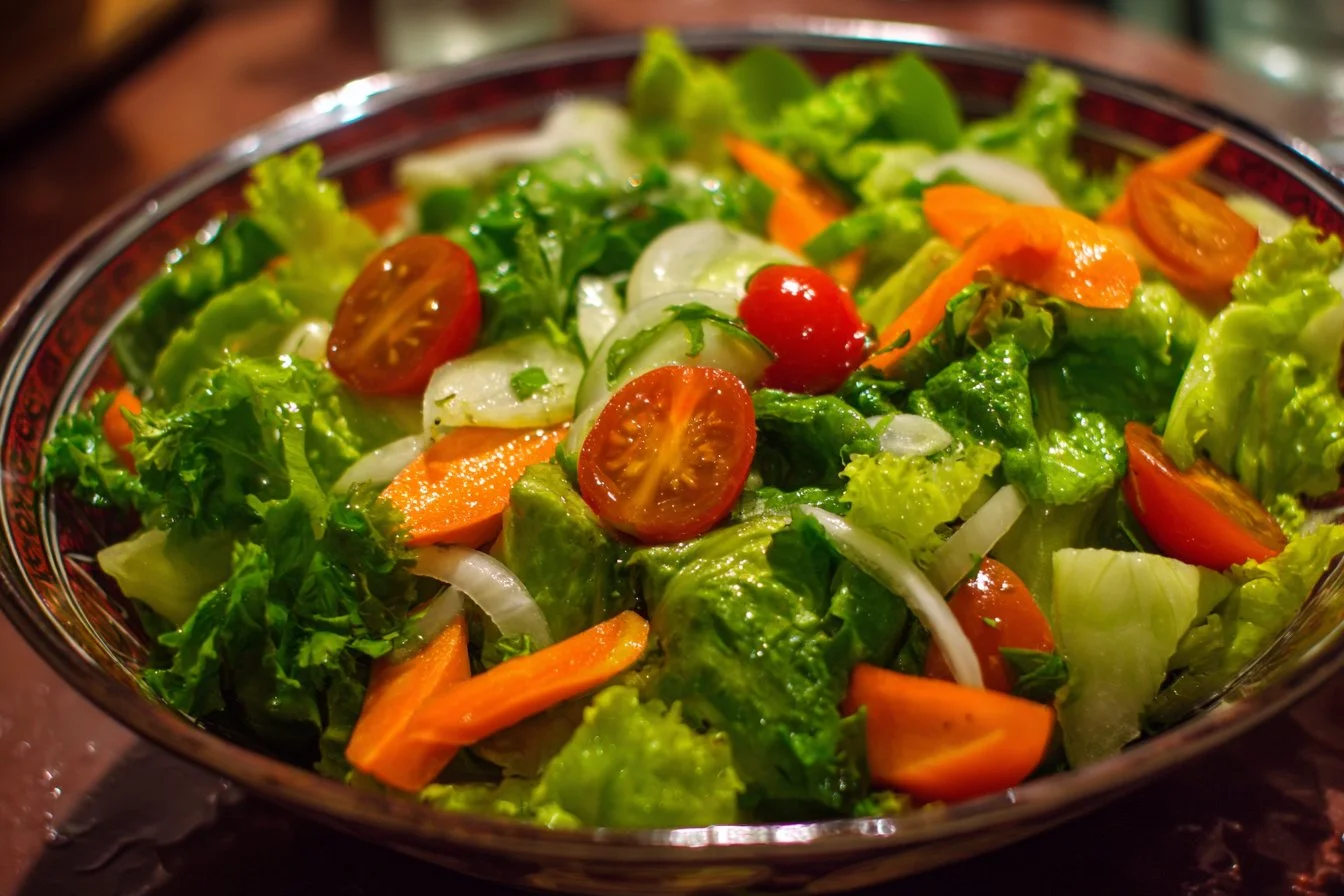
Growing up, my family always gathered around the table to share meals, and one of the staples that never missed a spot was a fresh, vibrant green salad. I remember my grandmother tossing together greens right from the garden, adding colorful vegetables and drizzling her homemade dressing, creating a feast not just for the stomach but also for the eyes. That simple green salad has remained a cornerstone in my kitchen, representing nourishment and togetherness. It’s a dish that adapts to personal tastes, dietary needs, and seasonal ingredients. Whether served on its own or as a side dish, a green salad offers a refreshing crunch and a burst of nutrients, making it a beloved option for meals throughout the year.
What is Green Salad
A green salad is a dish typically composed of a variety of fresh greens and often accompanied by assorted vegetables, fruits, nuts, or seeds, all coated in a flavorful dressing. The primary component is usually leafy greens like romaine, spinach, or mixed greens, which provide essential vitamins and minerals. This versatile dish can be customized in countless ways, catering to different dietary preferences, whether vegetarian, vegan, or even with protein add-ins like chicken or beans. It serves as a light meal or a side dish and is celebrated for its ability to refresh any meal while also packing in an abundance of nutrients.
Why You’ll Love This Green Salad:
This green salad is not just about looking good on a plate; it has many practical benefits that can enhance your dining experience. Here are a few reasons why you might find yourself drawn to this recipe:
- Quick and simple to prepare
- Family-friendly meal that appeals to all ages
- Great for beginners and seasoned cooks alike
- Loaded with vitamins and minerals for a health boost
- Easily customizable with your favorite ingredients
- Perfect for meal prep and versatile for any season
Each of these advantages not only makes the green salad enjoyable but also encourages creativity in how you prepare and serve it. You can make a classic version or experiment with different toppings and dressings, keeping your meals exciting and nutritious.
Ingredients
To create a delightful green salad, you will need the following ingredients:
– Lettuce (any kind, such as romaine or mixed greens)
– Cucumbers, sliced
– Tomatoes, diced
– Carrots, grated or thinly sliced
– Red onion, thinly sliced
– Olive oil (for dressing)
– Lemon juice (for dressing)
– Salt, to taste
– Pepper, to taste
These ingredients can be fresh and seasonal, emphasizing the vibrant colors and flavors of each component.
Step-by-Step Instructions for Green Salad
Making a green salad is straightforward and can be done in just a few minutes. Here’s how to whip up this refreshing dish:
- Start by washing and chopping the lettuce into bite-sized pieces. Add them to a large mixing bowl.
- Next, slice the cucumbers, tomatoes, and carrots into your desired shapes and sizes. Incorporate these veggies into the bowl with the lettuce.
- For added flavor and crunch, thinly slice the red onion and mix it in as well.
- In a small mixing bowl, combine olive oil, lemon juice, salt, and pepper to create a simple dressing. Whisk these ingredients together until well blended.
- Drizzle the dressing over the salad and gently toss everything together to ensure the vegetables are evenly coated.
- Serve immediately for the freshest taste, but feel free to adjust seasoning to your liking.
This simple approach highlights the freshness of the ingredients and makes the salad a delightful addition to any meal.
Pro Tips and Variations:
Elevate your green salad with a few tips and variations to cater to different tastes and dietary needs:
- Add Protein: Incorporate chickpeas, grilled chicken, or feta cheese for a more filling meal.
- Include Fruits: Add slices of avocado, apples, or seasonal berries for a sweet twist.
- Experiment with Greens: Try different leafy bases such as kale or arugula for varied textures and flavors.
- Incorporate Nuts and Seeds: Toss in almonds, walnuts, or sunflower seeds for an extra crunch and nutritional boost.
- Vegan Options: Use maple syrup or agave nectar in the dressing as a sweetener for vegan recipes.
These variations allow the green salad to fit various occasions and palates, ensuring you never get bored with its preparation.
How to Serve Green Salad
Serving a green salad can be as simple or elegant as you wish. Here are some ideas to complement your salad:
- As a Side Dish: Pair it with grilled meats or fish for a refreshing contrast.
- Main Dish: Top your salad with proteins such as quinoa, lentils, or grilled tofu for a hearty meal.
- In Sandwiches or Wraps: Use the salad as a filling for sandwiches or wraps, adding crunch and flavor.
- As Part of a Buffet: Serve it at gatherings alongside other dishes; salads are always a hit for their lightness and freshness.
The versatility in serving allows the green salad to shine at any meal occasion, creating a delightful experience for family and guests.
How to Store Green Salad
Storing a green salad requires some care, as freshness is key. Here’s how to manage leftovers effectively:
- If you have leftover salad, store it in an airtight container in the refrigerator. Day-old salads are best consumed within 1-2 days for optimal freshness.
- Avoid mixing the dressing with the salad if storing, as it can make the greens soggy. Instead, keep the dressing in a separate container.
- To revive any leftover salad, simply toss it gently before serving. If it looks a bit wilted, consider adding a few fresh ingredients or a bit more dressing to bring back its vibrancy.
Proper storage ensures that your green salad maintains its flavors and textures, making it enjoyable even after a day or two.
Nutrition Information
A typical serving of green salad is not only light but is also packed with nutrition. Here’s a general breakdown:
- Calories: Approximately 150-200 per serving (without dressing)
- Vitamins and Minerals: Rich in vitamin A, vitamin C, vitamin K, and folate
- Fiber: A great source of dietary fiber, promoting good digestion
While the nutritional values can vary based on added ingredients, a green salad is generally low in calories and high in essential nutrients, making it an excellent choice for maintaining a healthy diet.
FAQs About Green Salad
1. **Can I make a green salad in advance?**
Yes, you can prepare the ingredients in advance. Layer them in a container, keeping the dressing separate until just before serving.
What are some good dressings for a green salad?
Popular options include vinaigrettes, creamy dressings like ranch or tahini, or simple olive oil and vinegar mixtures.Are there any specific greens I should avoid?
While most greens are nutritious, avoid any that look wilted or discolored, as they could give the salad an unpleasant taste.How can I incorporate seasonal ingredients?
Feel free to experiment with seasonal fruits and vegetables, adapting your ingredients to what is fresh and available in your area.
Conclusion
Trying this green salad recipe not only promises a burst of flavors and textures but also encourages culinary creativity. With its ease of preparation and adaptability, it is an excellent choice for everyone, whether you’re a novice in the kitchen or an experienced chef. I invite you to whip up your very own green salad, personalize it with your favorite ingredients, and share your experience with family and friends. Enjoy the deliciousness and all the health benefits it brings!