
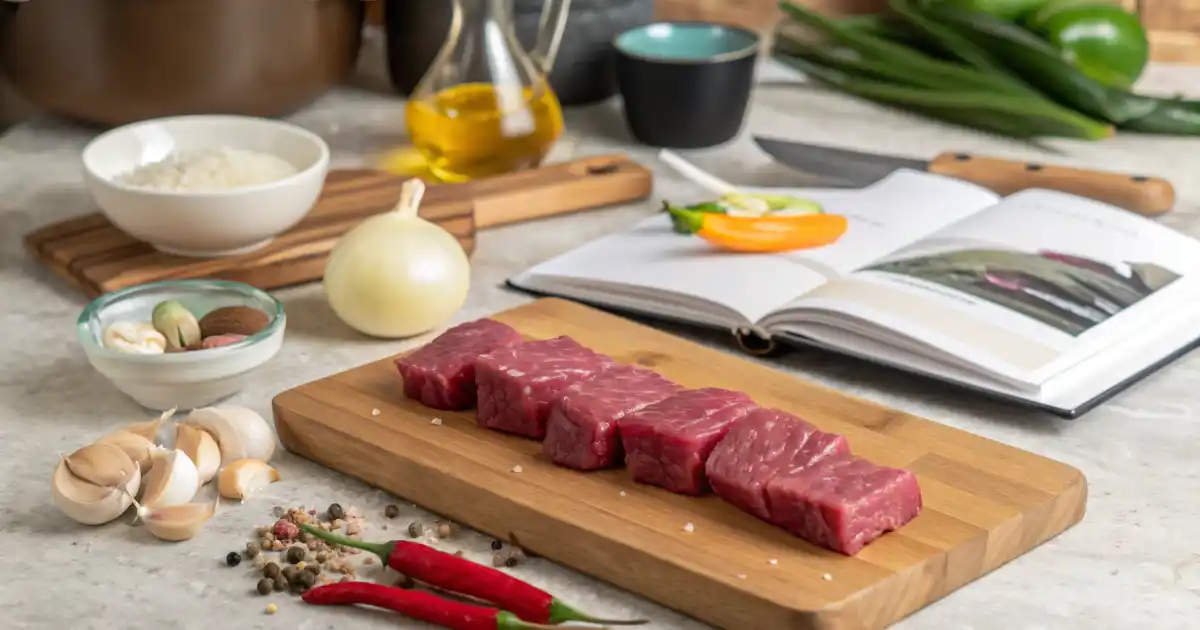
Have you ever cooked something once and then, without even meaning to, made it again and again because it just felt right? That’s exactly what happened the first time I tried this diced beef recipe. It started as a casual experiment, mixing some local spices in my grandmother’s kitchen. She lived in this quiet countryside spot where the cattle were raised free and the produce came straight from morning markets.
What came out of that pot surprised me. The beef was so tender, the sauce deep and comforting without being heavy. It didn’t take long before this dish became a regular guest at our dinner table. Not fancy, not complicated, but something everyone looked forward to.
In this guide, I’ll walk you through every step so you can make it too. We’ll look at which beef cuts give you the best flavor, how to build a marinade that really works, and how to slow-cook everything until it practically melts. You’ll also find ways to adjust it based on your tastes or whatever ingredients you’ve got on hand.
By the time you’re done here, you won’t just have a recipe. You’ll have a go-to meal with a story behind it and the kind of comfort you can come back to anytime.
Table of Contents
Key Benefits of Cooking with Diced Beef
Diced beef is often overlooked in favor of flashier cuts like ribeye or sirloin steaks, yet this humble, budget-friendly option can deliver stellar results when prepared correctly. Whether you’re a busy professional seeking quick weeknight dinners or a cooking enthusiast looking to experiment, diced beef has a lot to offer.
- Budget-Friendly
High-quality steak cuts can be pricey, but diced beef typically derived from shoulder, chuck, or round tends to be more affordable. Despite its lower cost, it can still yield tender, succulent bites if cooked using the proper techniques. - Versatility
One of the biggest advantages of diced beef is its adaptability. It can be used in a wide array of dishes, ranging from comforting stews and stir-fries to tacos and curries. With the recipe you’ll learn here, you can easily switch up seasonings or side dishes to keep things fresh. - Ease of Preparation
Because the meat is already cut into small pieces, diced beef lends itself well to quicker cooking methods like stir-frying or sautéing. At the same time, it can also be slowly braised to break down tough fibers, resulting in melt-in-your-mouth tenderness. - Rich Flavor
Cuts commonly used for diced beef often come from well-worked muscles, which tend to have a robust, beefy taste. When marinated or stewed with aromatic spices, the flavors deepen considerably, offering a satisfying meaty profile. - Nutritional Value
Beef is generally high in protein, iron, and B vitamins. Including diced beef in your meals can provide a nutritious source of essential nutrients that support muscle health, energy levels, and overall well-being.
These benefits demonstrate that diced beef is far from ordinary. By using the right combination of fresh ingredients, proper cooking time, and creative seasonings, you can transform this economical cut into a delicious meal that pleases everyone at the table.
Ingredients
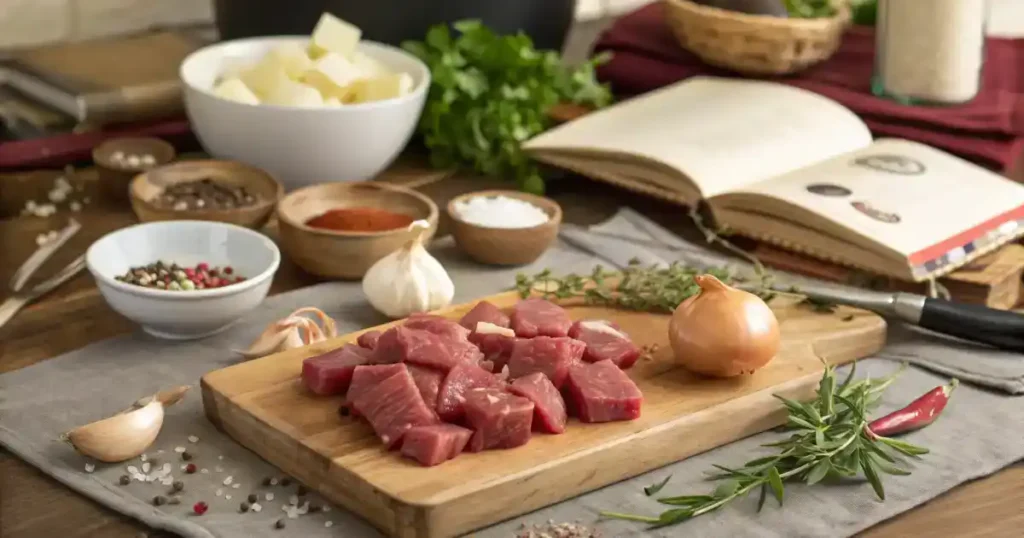
Here’s a thoughtfully curated ingredient list designed to elevate your diced beef from something ordinary to something genuinely memorable. You’ll find familiar staples here, but also a few regional gems and less common spices that bring unexpected character. Stick close to the list if you can. Every element is there for a reason. But don’t stress if you need to substitute a few based on what’s in your pantry.
Diced Beef
2 pounds (about 900 grams)
Go for well-marbled cuts from the chuck or shoulder. If your butcher’s the kind who knows your name, ask for diced chuck roast or premium stew beef. Uniform chunks around one inch make a big difference in even cooking and texture. Organic or free-range? Even better.
Marinade Ingredients
Extra-Virgin Olive Oil 2 tablespoons
Something cold-pressed and clean. I like the Evergreen Farms bottle, but use whatever trusted local brand you’ve got. This is the glue that holds your marinade together.
Tamari Soy Sauce 1 tablespoon
Smoother and richer than regular soy sauce, tamari adds depth without overpowering saltiness. Bonus if it’s small-batch or naturally brewed.
Coconut Sugar 1 tablespoon
Silver Harvest has a gentle caramel tone, but brown sugar works in a pinch. Coconut sugar brings a rounder flavor that leans warm rather than sharp.
Fresh Lime Juice 1 tablespoon
Bright and zippy. Calamansi juice is a great substitute if it’s available in your area. It has that subtle tang that teases out the richness of the beef.
Smoked Paprika 1 teaspoon
Just enough smokiness to be noticed without dominating the whole dish.
Ground Coriander ½ teaspoon
Light, floral, and a little citrusy. It pairs surprisingly well with beef.
Freshly Cracked Black Pepper – ½ teaspoon
Pink Himalayan Salt 1 teaspoon (or to taste)
Adjust depending on your broth and soy sauce. Always taste later.
Aromatic Base
Onion 1 medium, finely chopped
If you’ve got a sweet local variety, use it. It’ll melt into the background in the best way.
Garlic 2 cloves, minced
Go fresh. Pre-minced just doesn’t hit the same.
Fresh Ginger 1 inch, grated
Optional, but if you love a subtle kick of warmth, don’t skip it.
Chili Paste 1 tablespoon
I like the Spring Blossom brand, but any good chili paste will do. Adjust depending on your spice tolerance.
Sauce Components
Beef Stock 1 cup
Use a rich, low-sodium version if you’re buying. Homemade? Even better. Grass-fed stock tends to be cleaner and deeper in flavor.
Coconut Milk ½ cup
The Tropica brand is thick and velvety. A perfect non-dairy way to smooth out the sauce without dulling the spices.
Tomato Paste 2 tablespoons
Go for a clean-label paste with no weird fillers. Rustic Vineyards has a great one.
Herbs and Spices
Dried Thyme 1 teaspoon
If it’s locally grown, you’ll notice the difference.
Dried Oregano 1 teaspoon
Bay Leaf 1
Adds a savory undercurrent. Just remember to remove it before serving.
Optional Add-Ins
- Diced Bell Peppers ½ cup (red and green mix)
- Sliced Mushrooms 1 cup (Portobello or Cremini both work)
- Chili Flakes ½ teaspoon if you want an extra layer of heat
Each of these ingredients serves a role. Not just in flavor, but in balance and texture. If you can find locally made or small-batch items, you’ll bring in subtle shifts that elevate the dish beyond the usual. This is how a basic diced beef recipe becomes something that lingers in memory.
Instructions
Below is a detailed walk-through for crafting a truly satisfying diced beef dish. It might look like a lot at first glance, but each step is simple and purposeful. Take your time, stay flexible, and adjust as needed based on your kitchen, your tools, and your timing.
Step 1 Marinating the Beef
Prepare the Marinade
In a medium mixing bowl, whisk together extra-virgin olive oil, tamari soy sauce, coconut sugar, lime juice, smoked paprika, ground coriander, cracked black pepper, and pink Himalayan salt. You want a glossy, slightly thick mixture that clings to the spoon.
Coat the Beef
Place the diced beef in a separate bowl or a zip-top bag. Pour the marinade over the meat, making sure each piece is well coated. Gently massage the marinade into the beef so the flavor starts to seep in.
Marination Time
Cover the bowl with plastic wrap or seal the bag, then refrigerate. An hour works, but if you can, leave it overnight. More time means deeper flavor. If you’re pressed for time, even 30 minutes gives you a decent head start.
Step 2 Searing and Building the Base
Bring to Room Temperature
Take the marinated beef out of the fridge about 20 minutes before cooking. Starting from room temp helps the meat cook evenly.
Sear the Beef
Heat a large heavy pot or Dutch oven over medium-high heat. Add a little cooking oil. Olive oil is fine, but avocado oil holds up better to heat.
Work in batches to avoid overcrowding. Sear the beef pieces on all sides until they’re browned and crusty. That golden surface? It adds serious depth to the final dish.
Once done, move the meat to a plate and set it aside.
Sauté the Aromatics
Lower the heat to medium. Add a bit more oil if needed. Toss in the chopped onion, minced garlic, grated ginger, and chili paste. Cook for 3 to 5 minutes until the onions soften and everything smells amazing.
Step 3 Building the Sauce
Deglaze the Pot
With the aromatics still sizzling, pour in the beef stock.
Use a wooden spoon to scrape up the browned bits stuck to the bottom. Those bits are flavor gold and they’ll melt right into the sauce.
Add Coconut Milk and Tomato Paste
Stir in the coconut milk and tomato paste. Mix until everything blends smoothly. Let it simmer gently for a minute or two to start coming together.
Add Herbs and Optional Veggies
Sprinkle in dried thyme, oregano, and a bay leaf. If you’re adding extras like diced mushrooms or bell peppers, now’s the time. Stir it all in so the flavors start mingling.
Step 4 Combine and Simmer
Return the Beef
Add the seared beef and any juices back into the pot. Stir gently to coat everything in the sauce.
Simmer Covered
Turn the heat to low or medium-low. Cover the pot with a lid.
Let it simmer for 45 minutes to an hour. Check and stir occasionally to prevent sticking.
If the sauce thickens too much, add a splash of water or more beef stock to keep it stew-like.
Check for Tenderness
After about 45 minutes, test a piece. If it cuts easily with a fork, you’re good. If not, give it another 10 minutes and check again.
Taste the sauce. Adjust the salt, pepper, or spice if needed.
Step 5 Finish and Serve
Thicken If Needed
If you like a thicker sauce, stir in a cornstarch slurry (mix 1 tablespoon cornstarch with 2 tablespoons cold water). Pour it in slowly while stirring until the sauce tightens up.
Remove the Bay Leaf
Do not forget this. Bay leaves add flavor, but they’re not edible.
Rest and Garnish
Turn off the heat and let the pot sit with the lid on for 5 minutes. This helps the flavors settle.
Top with a sprinkle of fresh herbs like cilantro or parsley if you want a hit of color and freshness before serving.
Follow these steps and you’ll end up with diced beef that’s not just tender but layered with flavor. There’s something quietly impressive about a dish that manages to be comforting and complex at the same time
Pro Tips and Variations
Every cook swears by a few quiet tricks the kind that never make it to the recipe card but change everything. These tweaks below aren’t just about flavor; they’re about making the dish yours, bending it to your kitchen, your mood, your pantry.
Marination Matters
If you’ve got the time, let it sit. Marinating overnight (think 12–24 hours) unlocks a deeper tenderness in the beef not just softness, but flavor that really clings. Especially if it’s for a dinner where you want people quietly nodding with their mouths full.
Choose the Right Pot
Honestly, if you’ve ever scorched a stew, you know why this matters. A heavy-bottomed pot or a Dutch oven just behaves better it spreads the heat gently, without those sneaky burn spots. Your diced beef? All evenly cooked, no overdone edges.
High Altitude Heads-Up
Cooking above sea level? Everything shifts. Water boils sooner, liquids vanish faster. You might need to simmer a little longer — and maybe top up with extra stock halfway through. It’s subtle, but it makes a difference.
Spice Level Your Call
Not everyone’s into fire. If you’re sensitive to heat, just ease back on the chili paste or skip it entirely. But if you like it bold? A few chili flakes, sliced jalapeños, even a pinch of cayenne will wake it right up. Adjust like you would your playlist — it depends on the night.
Dietary Tweaks
- Gluten-Free? Most tamari is, but don’t assume — check the label.
- Low-Carb? Ditch the coconut sugar or swap in monk fruit or erythritol. No harm done.
- Dairy-Free? You’re already there. Coconut milk keeps this recipe rich without any dairy drama.
Meatless but Still Mighty
Not eating beef? Cool. Swap in eggplant, mushrooms, or even a solid plant-based meat. The marinade and sauce rules still apply just keep an eye on texture and cooking time. The idea is hearty, not mushy.
Extra Flavor Moves
- Want more depth? Deglaze with a splash of beef stock or even pomegranate molasses. Adds richness without stealing the spotlight.
- Herbal Switch-Up: No thyme? Fresh rosemary or basil gives it a whole new spin a little more woodsy or summery, depending.
- Craving a Tangy Hit? A spoon of tamarind paste might be your secret weapon sour, subtle, and surprisingly balanced with coconut milk.
Serving Suggestions

After putting heart and time into this dish, presentation matters. It’s not just about feeding someone it’s about setting the tone. Below are some thoughtful serving ideas that not only work with the flavor profile but add their own subtle flair.
Steamed Jasmine or Basmati Rice
These fragrant rice types do more than fill the plate they soak up the sauce in a way that turns every spoonful into a complete experience. Simple, dependable, and always welcome.
Creamy Mashed Potatoes
If you’re leaning into comfort food mode, this pairing is hard to beat. The softness of mashed potatoes balances out the beef’s depth, giving you that cozy, no-rush dinner vibe.
Quinoa or Couscous
Looking for something lighter but still satisfying? Quinoa brings a delicate nuttiness, while couscous offers an airy contrast both act as clean, neutral bases to let the sauce do its thing.
Grilled Vegetables
Toss some bell peppers, zucchini, eggplant, or asparagus in a little olive oil and get them on the grill or pan. That hint of char adds a new smoky layer, and hey, the extra fiber doesn’t hurt either.
Leafy Green Salad
Don’t underestimate the power of fresh greens. A simple salad maybe arugula, baby spinach, and a bit of radicchio tossed in a citrusy vinaigrette can refresh the whole meal.
Artisanal Bread
A crusty sourdough or rustic country loaf works beautifully to mop up any leftover sauce. If you’re into garlic bread, go ahead just keep the flavors balanced so the beef still shines.
Beverage Pairings
Try a chilled herbal iced tea (think lemongrass or mint) or even a citrusy sparkling water with a slice of orange or lime. Something light to offset the richness.
And don’t forget a final flourish: a sprinkle of chopped herbs, a few microgreens, maybe even a lime wedge on the side. It’s not about being fancy it’s about making the plate look like you meant every detail.
Common Questions About Diced Beef
What can be made from diced beef?
A lot, honestly. Diced beef is a kitchen workhorse perfect for stews, stir-fries, curries, kebabs, tacos, or soups. Because it’s already cut, it absorbs flavor fast, which makes it ideal for marinades. Some classic go-tos? Chili, beef stew, coconut-based curries, even skewers on the grill if you’re feeling ambitious.
How do I cook diced beef so it’s tender?
Start with marinating not just for flavor but for softening. Then choose the right method: slow simmering or braising at low heat gives you melt-in-the-mouth results. If you’re pressed for time, go the stir-fry route just keep the heat high and the pieces small so they cook fast without drying out.
How long do you cook diced beef?
Depends on the route you’re taking. For stews or braises, give it 45 to 90 minutes on low heat. Stir-fries? Around 5–7 minutes max. The key is to test early tenderness doesn’t follow a strict timeline.
Does diced beef get more tender the longer you cook it?
Up to a point, yes. Collagen in cuts like chuck or round breaks down into gelatin during slow cooking that’s your tenderness goldmine. But go too hot or cook too long without enough liquid, and it’ll swing the other way: dry and chewy. So keep it low, slow, and moist.
Conclusion
Diced beef isn’t usually the star of the show but maybe it should be. With the right prep and just a bit of patience, it turns into something warm, soulful, and surprisingly layered. This dish, with its mix of sweet, savory, creamy, and gently spiced notes, is proof that humble ingredients can deliver big flavors.
More than just a recipe, it’s a canvas. You can adapt it to your pantry, your preferences, or your guests. Whether you’re dishing it up over fluffy rice, creamy mash, or a fresh hunk of bread, what matters is that moment at the table the quiet “mmm” that tells you it was worth the effort.
From marinade to final bite, this recipe invites you to cook with intention, not perfection. Let the kitchen fill with steam and spice. Let the sauce simmer until it’s just right. Let it be yours.
Diced Beef
Ingredients
Method
- In a medium bowl, whisk the marinade ingredients together until emulsified.
- Coat the diced beef in the marinade and allow to marinate for at least 1 hour in the refrigerator.
- Remove the beef from the refrigerator 20 minutes before cooking to bring it to room temperature.
- Sear the beef in a hot pot until browned on all sides. Then set aside.
- Sauté the onions, garlic, ginger, and chili paste until they become fragrant.
- Deglaze the pot with beef stock to scrape up any flavorful bits.
- Add coconut milk and tomato paste, stirring to combine.
- Stir in dried herbs and optional veggies.
- Return the seared beef to the pot and let the mixture simmer covered for about 45 minutes to 1 hour.
- Check the beef for tenderness and adjust seasoning as needed.
- If desired, thicken the sauce with a cornstarch slurry.
- Remove the bay leaf before serving and let the dish rest for 5 minutes.
- Garnish with fresh herbs before serving.