
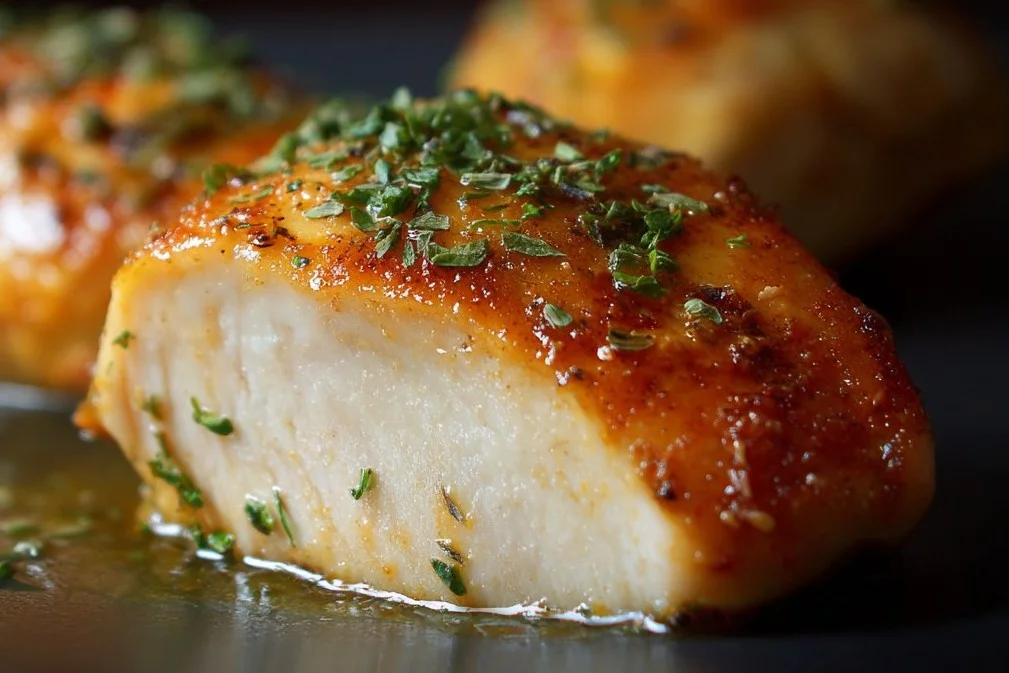
I remember the first time I attempted to cook boneless chicken breast. It was a Saturday afternoon, and I was feeling adventurous, ready to impress my family with a homemade meal. I had seen countless recipes online and finally settled on a simple, flavorful dish. As I chopped garlic and seasoned the chicken, the aromas filled my kitchen. Within an hour, the chicken was perfectly baked, juicy, and tender. That experience sparked my love for cooking with boneless chicken breast, a versatile and easy-to-handle protein that seems to work in any cuisine.
What is Boneless Chicken Breast
Boneless chicken breast is a popular cut of poultry that is known for its lean meat and versatility in countless recipes. Unlike other cuts of chicken, it has no bones or skin, making it ideal for dishes where a quick cooking time is preferred, and easy eating is essential. This cut of chicken can be grilled, baked, sautéed, or stir-fried, adapting beautifully to a variety of seasoning and marinades. Due to its neutral flavor, boneless chicken breast is a blank canvas that pairs well with numerous spices, herbs, and sauces.
Because of its low-fat content, boneless chicken breast is often favored in healthy cooking. It’s an excellent source of protein that helps build and repair body tissues. Additionally, it provides essential nutrients like niacin, vitamin B6, and phosphorus. While many enjoy boneless chicken breast for its nutritional benefits, what truly makes it stand out is how quickly it can be prepared, fitting perfectly into the busy lifestyles of today’s home cooks.
Why You’ll Love This Boneless Chicken Breast:
Preparing boneless chicken breast offers many advantages that make it a beloved choice for dinner. Here are a few reasons to love cooking with chicken breasts:
- Quick and simple to prepare: The cooking time is relatively short, making it easy for busy weekdays or unexpected guests.
- Family-friendly meal: Most people, including children, find chicken breast appealing, making it a safe choice for family dinners.
- Great for beginners: Its straightforward handling and cooking methods make it perfect for those just starting in the kitchen.
- Nutritional choice: Low in fat and high in protein, it aligns well with many dietary needs.
- Versatile: You can flavor it in various ways, from classic seasoning to marinades inspired by international cuisines.
Whether you are a seasoned chef or a beginner looking to refine your skills, boneless chicken breast is a winning ingredient that can elevate your meal prep experience and delight those you serve.
Ingredients
To make a delicious baked boneless chicken breast, you’ll need the following ingredients:
- 4 boneless chicken breasts
- 2 tablespoons olive oil
- 1 teaspoon garlic powder
- 1 teaspoon onion powder
- Salt and pepper to taste
- 1 teaspoon paprika
- Fresh herbs (optional for garnish)
These ingredients work harmoniously to create a flavorful dish that will impress any guest.
Step-by-Step Instructions for Boneless Chicken Breast
- Preheat your oven to 375°F (190°C).
- In a small bowl, mix together the olive oil, garlic powder, onion powder, paprika, salt, and pepper until well combined.
- Rub the mixture all over the chicken breasts, making sure to coat them evenly for maximum flavor.
- Place the seasoned chicken breasts in a baking dish, ensuring they are not overcrowded.
- Bake in the preheated oven for 25-30 minutes, or until the chicken is fully cooked and no longer pink in the center.
- Once cooked, let the chicken rest for a few minutes before slicing. This helps retain its juices.
- Garnish with fresh herbs if desired, and serve your tasty dish to your guests.
These simple steps ensure a juicy and flavorful chicken breast that is sure to be a hit at the dinner table.
Pro Tips and Variations:
To take your boneless chicken breast to the next level, here are some pro tips and variations you can try:
- Marinating: For extra flavor and tenderness, marinate your chicken for a few hours or overnight in a mix of lemon juice, olive oil, and your favorite herbs.
- Grilling: Instead of baking, grill the chicken for a smoky flavor. Simply follow the same seasoning and grill on medium heat for about 6-8 minutes per side.
- Adding vegetables: Toss in seasonal vegetables like carrots, bell peppers, or zucchinis into the baking dish for a complete meal in one pan.
- Flavor variations: Experiment with different spices such as cumin, chili powder, or Italian seasoning to change the flavor profile.
- Stuffing: For a gourmet touch, stuff the chicken breasts with spinach and feta cheese before baking for an enticing dish.
These tips can help you customize your recipe according to your taste preferences or dietary needs, ensuring every meal is unique and enjoyable.
How to Serve Boneless Chicken Breast
There are numerous ways to serve boneless chicken breast to create a delightful dining experience. Here are a few serving ideas:
- Serve with a side salad: A fresh mixed green salad with a light vinaigrette complements the chicken nicely.
- Pair with grains: Let your chicken shine next to a serving of quinoa, brown rice, or couscous for a wholesome meal.
- Add roasted vegetables: Oven-roasted veggies like asparagus or Brussels sprouts can elevate the dish, providing flavor and color.
- Sandwiches and wraps: Slice the cooked chicken for use in sandwiches or wraps, adding lettuce, tomatoes, and your favorite sauces for a lovely lunch option.
These serving suggestions not only enhance the flavor and presentation of your meal but also ensure a satisfying experience for everyone at the table.
How to Store Boneless Chicken Breast
Storing leftovers properly is crucial to maintaining the flavor and safety of your cooked boneless chicken breast. Here are some guidelines:
- Refrigeration: Place any leftover chicken in an airtight container and refrigerate it as soon as it cools to room temperature. It can be safely stored in the fridge for up to 3-4 days.
- Freezing: For longer storage, freeze the chicken. Wrap it tightly in plastic wrap and place it in a freezer-safe bag or container. It can maintain good quality in the freezer for about 2-3 months.
- Reheating: To reheat without losing flavor, use the oven or stovetop. Preheat your oven to 350°F (175°C) and cover the chicken with foil to help retain moisture. Heat for about 15-20 minutes until warmed through. On the stovetop, slice the chicken and warm it in a pan over medium heat, occasionally adding a splash of broth or water to keep it moist.
Following these steps will help you enjoy your chicken dish even after the initial serving.
Nutrition Information
When it comes to nutrition, boneless chicken breast offers a rich profile conducive to a healthy diet. Here’s a breakdown of the estimated nutrition for a serving of cooked boneless chicken breast (approximately 3 ounces):
- Calories: 140
- Protein: 26 grams
- Fat: 3 grams
- Carbohydrates: 0 grams
- Fiber: 0 grams
- Sugar: 0 grams
- Sodium: 60-80 mg (depending on seasoning)
As you can see, this dish is not only satisfying but also a beneficial choice for those seeking to maintain a balanced diet. It’s an excellent option for high-protein or low-carb diets.
FAQs About Boneless Chicken Breast
1. How can I tell if the chicken breast is cooked through?
You can use a meat thermometer to check the internal temperature, which should be at least 165°F (74°C). Alternatively, make a small cut in the thickest part of the chicken; it should be no longer pink inside.
2. Can I use frozen chicken breasts?
Yes, you can use frozen boneless chicken breast, but it’s best to thaw it in the refrigerator overnight before cooking. If cooking from frozen, you will need to increase the cooking time.
3. What are the best spices for flavoring?
Common spices used for seasoning include garlic powder, onion powder, paprika, cumin, and Italian herbs. Feel free to experiment with your favorites.
4. Is boneless chicken breast healthy?
Absolutely! Boneless chicken breast is a lean source of protein, low in fat, and contains essential nutrients, making it a healthy addition to your meals.
Conclusion
Cooking with boneless chicken breast opens up a world of culinary possibilities. Its versatility, ease of preparation, and nutritional benefits make it a staple in many kitchens. I encourage you to try this recipe and explore the various ways you can enjoy it. Whether you keep it simple or get creative with different seasonings and serving ideas, this dish is sure to become a family favorite. Share your experience and enjoy the delicious outcomes of your cooking adventures with boneless chicken breast.