
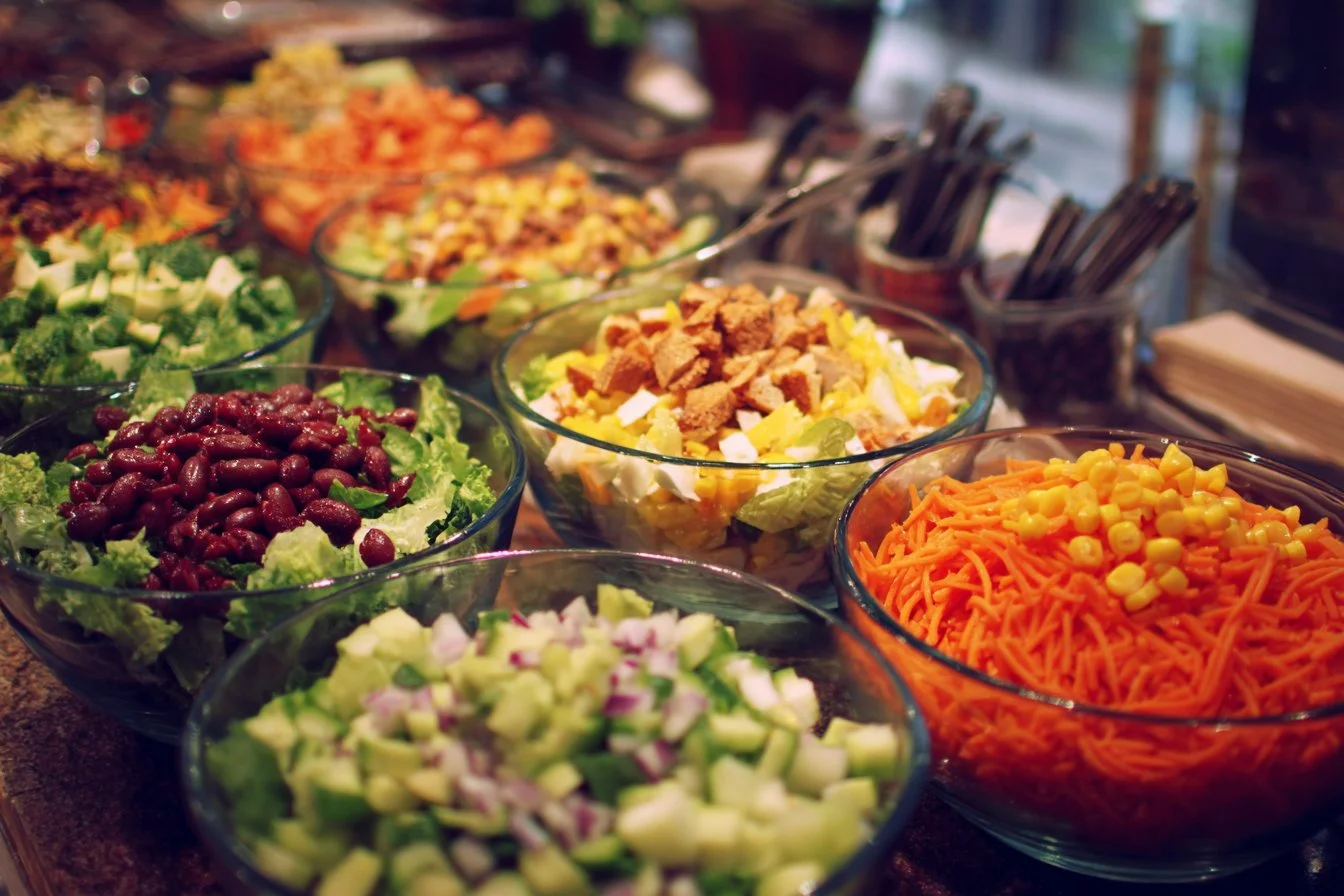
When I think of summer gatherings or casual get-togethers with friends and family, a vibrant salad bar fills my mind. There’s something wonderfully satisfying about laying out an array of fresh ingredients, allowing everyone to customize their own salads to suit their tastes. Salad bar ideas bring about this delightful experience, turning meal preparation into an interactive affair. It is both simple and enjoyable, making it a perfect choice for entertaining or even just for an easy family dinner. Here’s how to create a fabulous salad bar that everyone will love.
What is a Salad Bar
A salad bar is a self-serve station where guests can create their own salads using a variety of fresh ingredients. Unlike traditional salads that come pre-mixed, a salad bar allows for personalization. It typically includes a selection of greens, vegetables, proteins, and dressings, enabling diners to assemble their perfect salad. This flexibility means that whether you prefer a light, refreshing mix or something heartier, a salad bar caters to all dietary preferences. It’s a fun way to encourage healthier eating, as people can choose the ingredients that appeal most to them. Plus, salad bars can be set up for any occasion, from BBQs to birthday parties, making them a versatile choice for any host.
Why You’ll Love This Salad Bar:
Creating a salad bar is not only easy but also brimming with benefits. Here are some key advantages:
- Quick and simple to prepare
- Family-friendly and great for all ages
- Encourages healthy eating habits
- Ideal for accommodating diverse dietary preferences
- Everyone has the chance to get creative with their meals
This simple setup allows for quick meal assembly, freeing up more time to enjoy the company of your guests. Also, with the multitude of options available, everyone can easily craft their salad to best suit their cravings and nutritional needs.
Ingredients
To create a delightful and appealing salad bar, gather the following ingredients:
- Romaine lettuce
- Spinach
- Cherry tomatoes
- Cucumbers
- Red onions
- Carrots
- Bell peppers
- Avocado
- Olives
- Croutons
- Feta cheese
- Balsamic vinaigrette
- Olive oil
- Salt
- Pepper
Having a variety of ingredients ensures there’s something for everyone, allowing guests to pick and choose based on their personal preferences.
Step-by-Step Instructions for Setting Up a Salad Bar
- Set up a large table or counter area with bowls for each ingredient.
- Arrange the romaine lettuce and spinach as the refreshing base.
- Chop the cherry tomatoes, cucumbers, red onions, and carrots, then place them in separate bowls.
- Cut the bell peppers and avocado into bite-sized pieces for easy serving.
- Add olives, croutons, and feta cheese to small bowls, allowing for attractive presentation.
- Set out dressings such as balsamic vinaigrette and olive oil for additional flavor.
- Encourage diners to build their own salads by choosing their desired ingredients and combinations.
- Finally, season with salt and pepper to taste, adding the finishing touch to each creation.
This step-by-step process instills excitement as guests get to participate in the meal preparation. Setting everything up may take a bit of time, but the end result is well worth the effort.
Pro Tips and Variations:
To enhance your salad bar experience, consider these helpful tips and variations:
- Store ingredients separately until serving to maintain freshness.
- Offer a variety of dressings to cater to different taste preferences.
- Incorporate seasonal ingredients to keep things interesting throughout the year.
- For those with dietary restrictions, consider adding proteins such as grilled chicken, chickpeas, or quinoa.
- Get creative by adding unusual toppings like nuts, seeds, or different cheeses to elevate flavor profiles.
- Make it a themed salad bar by focusing on certain cuisines, such as Mediterranean or Mexican, with relevant toppings.
These twists not only cater to a broader audience but also create unique experiences for guests, making the salad bar even more enjoyable.
How to Serve a Salad Bar
Serving a salad bar is all about presentation and convenience. Here are some ideas:
- Present each ingredient in clear bowls, so guests can easily view their options.
- Use tiered stands to create visual interest and maximize space if you’re serving at a buffet.
- Pair the salad with grilled proteins or hearty sides like rice or bread to create a complete meal.
- Provide small tongs or spoons at each bowl to ease the serving process.
- Don’t forget to include plates and utensils, ensuring everything is at hand for a smooth experience.
By organizing the setup this way, you make it easy for guests to enjoy their food without any fuss, enhancing their overall experience.
How to Store a Salad Bar
If you have leftovers from your salad bar, proper storage is essential to maintain freshness. Here’s how to do it:
- Store any remaining ingredients in airtight containers separately. Leafy greens should be kept in a breathable bag with a paper towel to absorb moisture.
- Vegetables like cucumbers and peppers should also be stored in individual containers to retain crunchiness.
- Feta cheese can be stored in its brine or in a sealed container.
- Most of these ingredients will last in the fridge for about three to five days, while salads featuring avocado should be consumed quickly.
- If you want to save time for the next meal, consider prepping ingredients in advance, but assemble the salad only when ready to serve for maximum freshness.
Proper storage techniques ensure you can enjoy the deliciousness of your salad bar beyond the initial gathering.
Nutrition Information
A salad bar can provide a nutritious meal option packed with vitamins, minerals, and fiber. Depending on the specific ingredients chosen, a salad can offer a low-calorie dish rich in antioxidants and healthy fats. For example, leafy greens are great sources of Vitamin K, while ingredients like avocados provide healthy monounsaturated fats. Furthermore, adding toppings like beans or grilled chicken increases protein content, making the salad more satisfying. Monitoring portion sizes is key, as dressings can add extra calories quickly if not measured. Overall, with a thoughtful selection of ingredients, a salad bar can be a health-conscious choice for any meal.
FAQs About Salad Bars
What can I add to my salad bar?
Consider including proteins like grilled chicken or chickpeas, nuts or seeds for crunch, and various dressings. Seasonal fruits can also provide a delightful sweetness.How do I keep the ingredients fresh?
Store each ingredient in separate airtight containers. Greens should be stored in breathable bags, while other veggies do well in containers to prevent moisture loss.Can I prepare the salad bar in advance?
Yes, you can chop and store ingredients up to a day ahead, ensuring everything stays fresh when you set it up.Is this suitable for large gatherings?
Absolutely! A salad bar is great for gatherings as it allows guests to serve themselves, accommodating different tastes and dietary restrictions with ease.
Conclusion
Setting up a salad bar is an engaging and delicious way to bring people together around a meal. The flexibility it offers allows everyone to enjoy their customized salad creations, making it perfect for any occasion. With a wide variety of fresh ingredients and thoughtful planning, you’re sure to impress your guests. Try this salad bar idea at your next gathering and enjoy the fun and flavor that comes from building your own unique salads.