
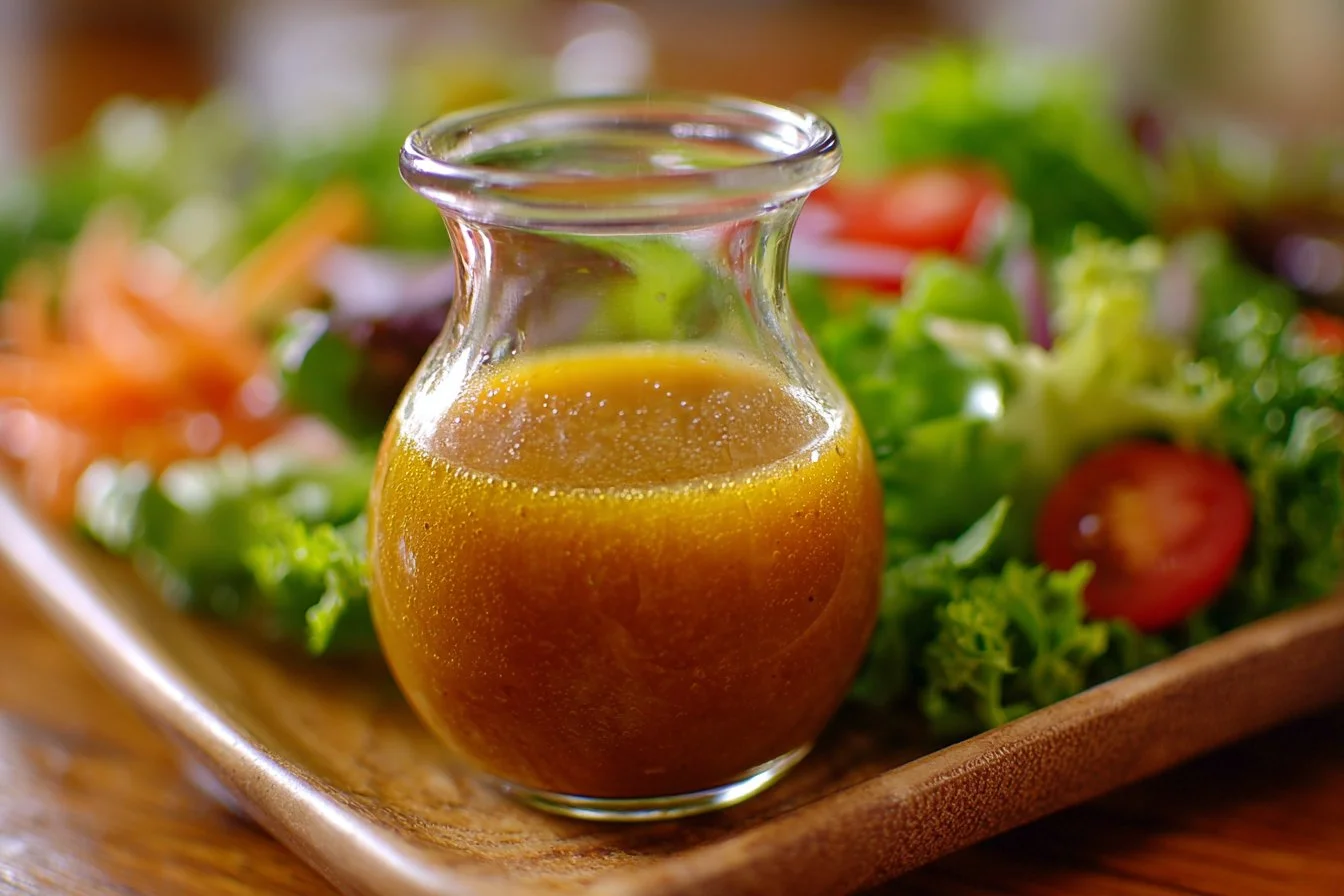
It was a sunny afternoon when I decided to whip up a fresh salad to enjoy for lunch. I had just come back from the farmer’s market, and my fridge was bursting with vibrant vegetables. But as I started pulling together my greens and toppings, I realized that I was missing the most important component—the salad dressing. A delicious salad dressing can elevate even the simplest ingredients, transforming a mundane meal into something extraordinary. After some experimenting in the kitchen, I discovered a quick and easy recipe that is totally worth sharing. This homemade dressing offers a burst of flavor that complements a variety of salads and can be whipped up in less than five minutes.
What is Salad Dressing
Salad dressing is a blend of various ingredients designed to enhance the flavor of salads. Traditionally, salad dressings can be either oil-based or cream-based, presenting a wide variety of flavors and textures. Common bases include olive oil, vinegar, and various spices or herbs, delivering a delightful tang or creaminess with every bite. The beauty of salad dressing lies in its versatility; you can easily customize it to suit any meal, from refreshing summer salads to hearty winter greens. Whether you prefer a light vinaigrette or a creamy concoction, making your own salad dressing allows you to control the ingredients and tailor the taste to your liking.
Why You’ll Love This Salad Dressing
There are numerous reasons to fall in love with making your own salad dressing. Consider these benefits:
- Quick and simple to prepare: With just a few ingredients, making dressing can be done in minutes.
- Customizable flavors: Adjust the ingredients based on what you have at home or your personal taste preferences.
- Healthier option: Home-made dressings can be free from preservatives, compared to store-bought versions.
- Cost-effective: Reduce your grocery bill by producing dressings from pantry staples.
- Great for any occasion: Suitable for casual meals or fancy gatherings, homemade dressings can elevate your dishes no matter the setting.
Creating an exceptional salad dressing doesn’t have to be complicated. With the right ingredients and a bit of creativity, you can enhance your meals like never before.
Ingredients
For this scrumptious salad dressing, you’ll need the following ingredients:
– 1/4 cup olive oil
– 2 tablespoons vinegar (balsamic, red wine, or apple cider)
– 1 teaspoon Dijon mustard
– 1 clove garlic, minced
– Salt and pepper to taste
These ingredients create a delightful balance of flavor, aroma, and texture, perfect for drizzling over a salad or using as a marinade.
Step-by-Step Instructions for Salad Dressing
To craft your homemade salad dressing, start by gathering all your ingredients. In a small bowl, whisk together the vinegar, Dijon mustard, and minced garlic. This combination sets the foundation for your dressing, blending the tangy and savory elements.
Once thoroughly mixed, slowly drizzle in the olive oil while continually whisking. This process helps emulsify the dressing, creating a smooth and cohesive mixture. As you mix, taste the dressing and season it with salt and pepper to your liking. Feel free to adjust the ingredients based on personal preference, adding more oil for richness or vinegar for tanginess. Once it’s perfected, your dressing is ready to be poured over your favorite salad.
Pro Tips and Variations:
While the basic recipe is delicious, there are plenty of ways to customize your salad dressing according to your taste preferences. Here are some pro tips and variations to consider:
- Add sweetness: Incorporate a teaspoon of honey or maple syrup for a sweet touch. This can balance out acidity, especially if you use a potent vinegar.
- Herb infusion: Fresh herbs like basil, oregano, or cilantro can add aromatic flavors. Simply chop and mix them into the dressing.
- Spicy kick: For those who enjoy heat, add a pinch of red pepper flakes or a few drops of hot sauce for an extra zing.
- Creamy twist: Transform your vinaigrette into a creamy dressing by whisking in a few tablespoons of Greek yogurt or mayonnaise.
- Nutty undertone: Incorporate tahini or nut butter for a rich, nutty flavor. This is especially great in Asian-inspired salads.
No matter how you choose to personalize your dressing, experimenting can lead to delightful new flavors that make each salad a unique experience.
How to Serve Salad Dressing
This homemade salad dressing can enhance a variety of dishes. Here are some ideas to inspire your next meal:
- Drizzle over leafy greens: Whether using romaine, spinach, or kale, this dressing will bring out the best in your greens.
- Complement grain salads: Toss it with quinoa, couscous, or bulgur salads for a wholesome meal.
- Use as a marinade: The dressing also serves as an excellent marinade for grilled vegetables or proteins, infusing them with flavor.
- Dip for fresh vegetables: Pair it with fresh-cut veggies as a quick and healthy snack.
- Enhance pasta dishes: Drizzle it over a light pasta salad for additional zest.
The possibilities are endless, and the freshness of this dressing will only elevate the enjoyment of your meals.
How to Store Salad Dressing
Storing your homemade salad dressing is straightforward and can help extend its shelf life. Here’s how to do it:
- Refrigerate: Store leftover dressing in an airtight container or jar in the refrigerator. It should last for about a week.
- Separation is natural: As the dressing sits, the ingredients may separate. Just give it a good shake or whisk before using again.
- Avoid freezing: While it’s generally not recommended to freeze salad dressings, an oil-based dressing can be stored in the freezer. Just remember that it may change in texture once thawed.
- Label and date: If you make a large batch, label the container with the date to keep track of freshness.
Proper storage ensures you can enjoy this delicious dressing multiple times with your meals.
Nutrition Information
Homemade salad dressings generally consist of wholesome ingredients that contribute to not just flavor but also nutrition. Below is a general breakdown of the nutritional value for a serving (around 2 tablespoons) of this salad dressing:
- Calories: 120
- Total Fat: 14g
- Saturated Fat: 2g
- Sodium: 120mg
- Carbohydrates: 1g
- Fiber: 0g
- Sugars: 0g
Keep in mind that these values can vary based on specific ingredient choices, especially regarding oil and type of vinegar. This simple dressing is a flavorful way to enhance your salads without overwhelming them with excess calories or preservatives.
FAQs About Salad Dressing
1. **Can I use other types of vinegar?**
Absolutely! You can use various vinegars depending on your flavor preference. Options like apple cider, red wine, white wine, or even flavored vinegars work well.
How can I make my dressing thicker?
To create a thicker dressing, consider adding more mustard or incorporating a tablespoon of yogurt or mayonnaise.Is this dressing suitable for a vegan diet?
Yes, as the dressing is made using plant-based ingredients like olive oil and vinegar, it’s perfect for vegan diets.Can I make this ahead of time?
Yes! You can prepare this dressing in advance and store it in the refrigerator for a delightful, quick addition to your salads throughout the week.
Conclusion
Creating your own salad dressing not only adds a fresh and flavorful twist to your meals but also allows you to enjoy a healthy and customizable option. I encourage you to try this easy recipe and share your experience with family and friends. Homemade salad dressing is a quick way to elevate your meals and inspire creativity in your cooking. So grab your ingredients and start whisking up something delicious today!