
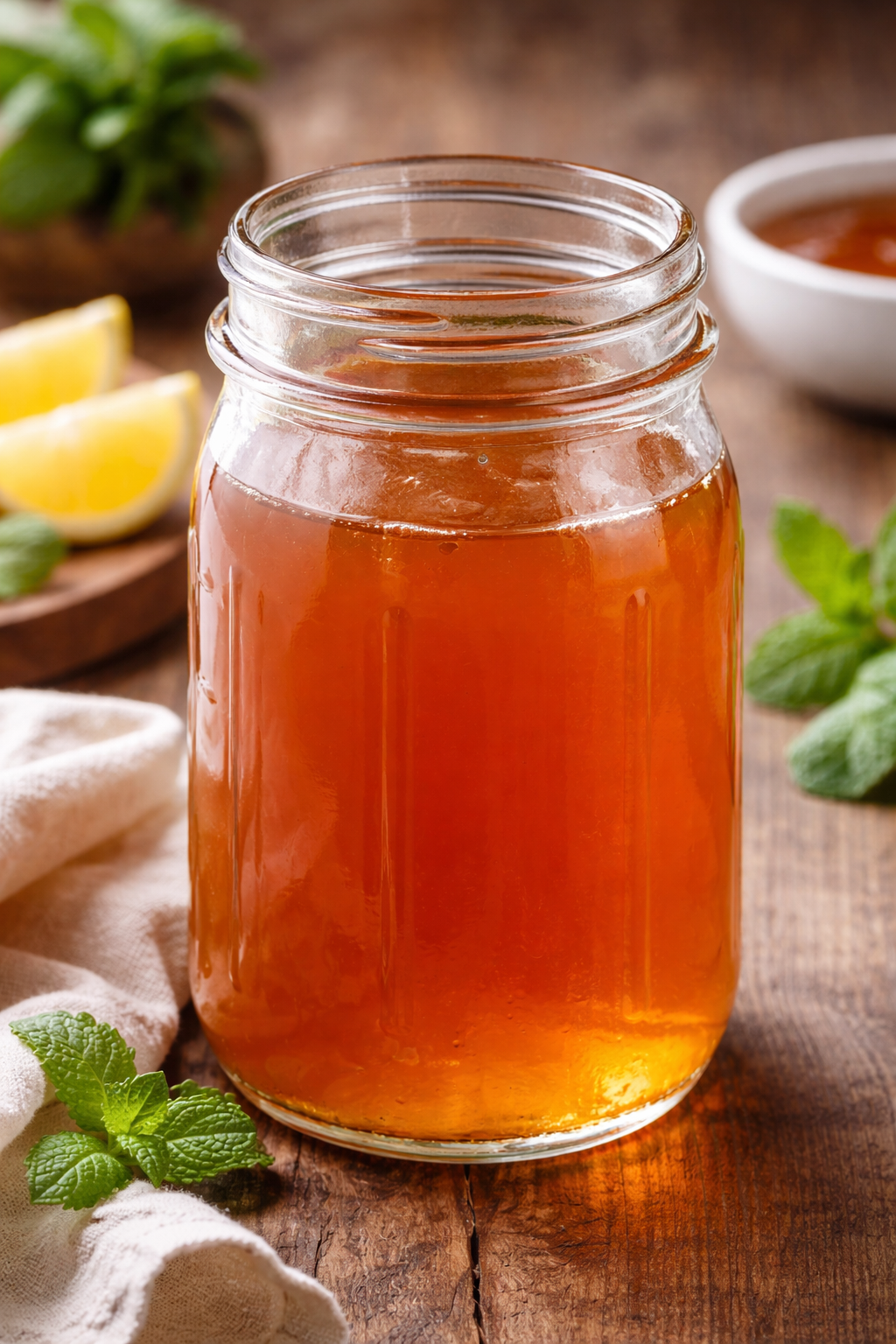
A warm bowl of simmering beef broth can evoke comfort and nostalgia like few other dishes can. I remember the sound of my grandmother’s pots clinking together as she prepared her own version, filling the kitchen with a rich aroma that whispered of hearty meals to come. For many, beef broth isn’t just a staple in cooking; it’s a foundation for soups, stews, and sauces, adding depth and flavor that elevate any dish. Making your own beef broth at home is not only satisfying, but it also provides an incredible base for future meals. Understanding the nuances of its preparation can enhance your cooking repertoire, empowering you to create dishes that your loved ones will cherish.
What is Beef Broth
Beef broth is a savory liquid made by simmering beef bones, meat, and various aromatics in water over an extended period. This process extracts flavor and nutrients, resulting in a deep, rich liquid that serves as a perfect base for soups, sauces, and braises. The natural gelatin released during the simmering enhances the broth’s texture, giving it a velvety mouthfeel that makes it quite versatile in the kitchen. It is different from beef stock, which tends to concentrate on the bones and may contain less meat, while broth often incorporates more flavor from the added vegetables and spices.
Why You’ll Love This Beef Broth:
– Quick and simple to prepare once you have the ingredients. – Family-friendly meal component that can be used in various recipes. – Great for beginners to master fundamental cooking techniques. – Ideal for meal prep or making ahead for future meals. – Full of nutrients, making it a wholesome addition to your diet. – Versatile for both comforting winter meals and lighter summer dishes.
Knowing these benefits makes the task of creating your own beef broth appealing. It’s not merely about nourishments; it’s also about creating deliciousness in your cooking while enjoying the simplicity of the process.
Ingredients
– 2 pounds beef bones – 10 cups water – 1 onion, quartered – 2 carrots, chopped – 2 celery stalks, chopped – 3 cloves garlic, smashed – 1 bay leaf – Salt and pepper to taste – Optional herbs (thyme, parsley)
These ingredients come together to form a delightful and flavorful broth, showcasing the simplicity yet profound impact of each component. The bones impart a unique flavor, while the herbs and vegetables provide a depth that keeps you engaged in every sip.
Step-by-Step Instructions for Beef Broth
1. Preheat the oven to 400°F (200°C). 2. Roast the beef bones in the oven for 30 minutes until browned. 3. In a large pot, combine the roasted bones, water, onion, carrots, celery, garlic, and bay leaf. 4. Bring to a boil, then reduce heat and simmer for at least 4 hours (or up to 12 hours for richer flavor). 5. Skim off any foam that forms on the surface. 6. Strain the broth through a fine-mesh sieve. 7. Season with salt and pepper to taste. 8. Store or use as desired.
By roasting the bones, you are intensifying their flavor, which will subsequently enrich your broth. The long simmering time allows for full flavor extraction, making the final product well worth the wait.
Pro Tips and Variations:
– **Use Leftover Vegetable Scraps**: Incorporate any leftover vegetable scraps to enhance flavor and minimize waste. – **Adjust the Aromatics**: Experiment with different herbs such as rosemary or dill for varied taste profiles. – **Make it in Larger Batches**: Consider making large amounts and freezing portions for future use. – **Flavor Boosters**: Add soy sauce or miso for an umami-rich twist. – **Bone Choices**: Use marrow bones for a richer flavor or shank bones for more meatiness.
These tips and variations can personalize your broth and cater to specific taste preferences or dietary requirements while maintaining the essence of traditional beef broth.
How to Serve Beef Broth
Beef broth can be enjoyed on its own as a warm, soothing beverage, or it can serve as a base for various dishes. It pairs wonderfully with: – A hearty vegetable soup, adding depth to the flavors. – Noodles for a quick and nutritious meal. – Rice, providing a flavorful moisture boost. – A side of crusty bread for a complete experience.
The options are virtually endless, empowering you to use your beef broth in numerous delicious ways that suit your taste.
How to Store Beef Broth
Beef broth can be easily stored in the refrigerator for up to a week. For longer preservation, consider freezing portions in airtight containers or silicone ice cube trays. This allows you to use it as desired without thawing an entire batch. When reheating, do so gently on low heat to ensure that the flavors remain intact and the broth retains its rich quality, avoiding high heat that can impact the texture and taste.
Nutrition Information
While the nutrition profile varies depending on the specific ingredients used, homemade beef broth generally provides a good source of protein and minerals. A typical serving of beef broth might include: – Calories: ~60 – Protein: ~10g – Fat: ~2g – Carbohydrates: ~1g – Vitamins and minerals: calcium, magnesium, and potassium.
This nourishing liquid not only enhances meals but also contributes beneficial nutrients to your diet.
FAQs about Beef Broth
**1. Can I make beef broth without roasting the bones?** While roasting adds depth and flavor, you can simmer raw bones if you’re short on time. However, the taste may not be as pronounced.
2. How can I tell when the broth is done?
The broth will become richer and more flavorful the longer you simmer it. Aim for at least 4 hours for a good depth of flavor.
3. Are there any alternatives to beef broth?
Yes, chicken broth or vegetable broth can be used in similar recipes if you prefer different flavor profiles.
4. Can I use a slow cooker for making beef broth?
Absolutely! A slow cooker is a great way to make beef broth; set it on low for about 12-24 hours to achieve maximum flavor extraction.
Conclusion
Crafting your own beef broth is a journey worth taking, filled with flavors that remind you of home and warmth. It’s a versatile staple that can elevate your cooking endeavors and is simple enough for anyone to learn. Try making it and discover how this rich, hearty broth can become a delightful component in your culinary practices. Share your experiences with this age-old kitchen staple and enjoy the many dishes you can create from your homemade broth!