
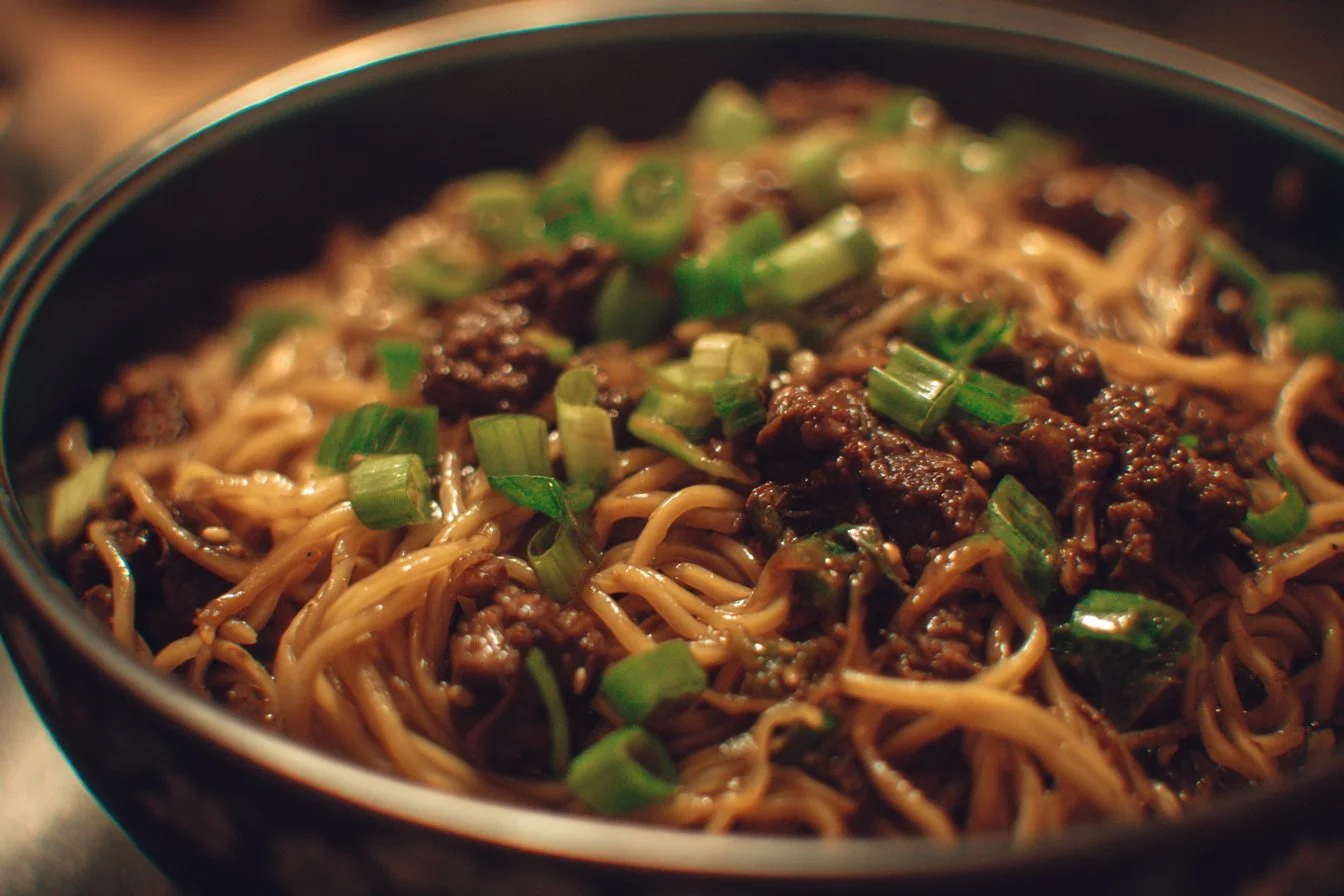
The aroma of sizzling beef and spices wafted through my kitchen one evening, leading my family members into a delightful frenzy as they anticipated dinner. I had decided to whip up a dish I had recently discovered—Mongolian Ground Beef Noodles. This recipe not only satisfied our hunger but also brought a sense of warmth and comfort, reminiscent of home-cooked meals from my childhood. Each bite was a perfect balance of savory flavors, and soon enough, everyone was asking for seconds. This made me realize that Mongolian Ground Beef Noodles are not just a meal; they are an experience, bringing people together around the dinner table.
What is Mongolian Ground Beef Noodles
Mongolian Ground Beef Noodles is a simple yet flavorful dish that has its roots in Mongolian cuisine. It typically features tender ground beef stir-fried with an array of vegetables and tossed with noodles, often complemented by a savory sauce. The dish combines the rich umami flavor of soy sauce with the zing of garlic and ginger, making it an incredibly satisfying meal. It serves as an excellent weeknight dinner option, offering both nutrition and a delightful taste. The recipe can easily be modified to include various vegetables or spices, catering to individual preferences and dietary needs. Whether you choose to serve it as a standalone dish or paired with sides, it’s a versatile offering that adapts well to any palate.
Why You’ll Love This Mongolian Ground Beef Noodles:
There are numerous reasons to fall in love with this delightful recipe:
- Quick and simple to prepare: You can have this dish ready in under 30 minutes, making it an ideal option for busy weeknights.
- Family-friendly meal: With its rich flavors and appealing texture, this dish is sure to please even the pickiest of eaters.
- Great for beginners: The straightforward steps and minimal ingredients make it a perfect choice for those who are just starting their culinary journey.
- Customizable: Feel free to add your favorite vegetables or adjust the seasonings to match your taste.
- Satisfying and hearty: This meal is filling and packed with protein, keeping you and your family energized throughout the evening.
These key benefits make Mongolian Ground Beef Noodles a must-try recipe for anyone looking to explore good home cooking.
Ingredients
To create the perfect Mongolian Ground Beef Noodles, you will need the following ingredients:
– 1 pound ground beef
– 8 ounces noodles (such as egg noodles or ramen)
– 2 tablespoons soy sauce
– 2 cloves garlic, minced
– 1 tablespoon ginger, minced
– 2 green onions, sliced
– 1 tablespoon sesame oil
– Salt and pepper to taste
– Optional: vegetables such as bell peppers, carrots, or broccoli
These ingredients come together to create a robust dish that will surely satisfy your hunger.
Step-by-Step Instructions Mongolian Ground Beef Noodles
1. Cook the noodles according to the package instructions, drain, and set them aside.
2. In a large skillet, heat sesame oil over medium-high heat.
3. Add the ground beef to the skillet and cook until browned, breaking it up with a spatula for even cooking.
4. Stir in the minced garlic and ginger, cooking for an additional minute until fragrant.
5. Add the soy sauce and any optional vegetables you desire, cooking until the vegetables are tender.
6. Mix in the cooked noodles and toss everything to ensure it is evenly coated in the sauce.
7. Season with salt and pepper to taste, and garnish with sliced green onions before serving.
These simple steps will guide you in preparing a delicious batch of Mongolian Ground Beef Noodles.
Pro Tips and Variations:
To elevate your Mongolian Ground Beef Noodles or adapt it to suit different tastes, consider these pro tips and variations:
- Add a Kick: Spice it up by adding chili sauce or red pepper flakes for extra heat.
- Vegetarian Option: Substitute ground beef with plant-based alternatives such as textured vegetable protein or crumbled tofu for a meatless version.
- Additional Veggies: Incorporate a wider range of vegetables to boost nutrients and flavor—broccoli, bell peppers, and snap peas work wonderfully.
- Noodle Choices: Experiment with different noodle types, like rice noodles or whole wheat noodles, for varied texture and taste.
- Marinade Marvel: For deeper flavor, marinate the ground beef with soy sauce and garlic before cooking.
These tips allow for personalization and creativity in your cooking, making it a dish you can enjoy endlessly.
How to Serve Mongolian Ground Beef Noodles
Mongolian Ground Beef Noodles is versatile enough to stand on its own, but you can enhance your meal by pairing it with various sides:
- Side Salads: A crisp green salad dressed with sesame vinaigrette can balance the rich flavors of the noodles.
- Steamed Vegetables: Serve alongside steamed broccoli or Asian-style sautéed greens for added nutrition.
- Rice: Although the noodles provide ample carbohydrates, serving them with a side of fluffy rice could further enrich the meal experience.
- Spring Rolls: These make a tasty appetizer or side, adding a fun crunch to your dining experience.
These serving suggestions will elevate your dish and make for a more complete meal.
How to Store Mongolian Ground Beef Noodles
If you happen to have leftovers of Mongolian Ground Beef Noodles, you can easily store them for future enjoyment. Here’s how to store and reheat your dish properly:
- In the Refrigerator: Place the noodles in an airtight container and store them in the fridge for up to three days. Make sure to cool them down before sealing the container to maintain freshness.
- In the Freezer: For long-term storage, you can freeze the noodles in a freezer-safe bag or container for up to three months.
- Reheating: To reheat, warm the noodles in a skillet over medium heat, adding a splash of water or extra soy sauce to prevent drying out. Stir until heated through. Alternatively, you can use the microwave but be sure to cover the dish to retain moisture.
Following these storage and reheating tips will help you maintain the delightful flavors and textures of your Mongolian Ground Beef Noodles.
Nutrition Information
Mongolian Ground Beef Noodles is not just a delicious meal; it also offers various nutritional benefits. Here’s a breakdown of the essential nutrients you can expect from this dish:
- Calories: The dish is calorically dense but provides energy from the carbs in the noodles and protein from the ground beef.
- Protein: With ground beef as the primary protein source, this meal supports muscle repair and growth.
- Carbohydrates: The noodles provide quick energy, making it suitable for active individuals.
- Fats: Contains healthy fats if you use sesame oil, which promotes heart health.
- Vitamins and Minerals: Depending on the added vegetables, you’ll gain essential vitamins like Vitamin A and C, and minerals like potassium.
This combination of ingredients makes it a balanced meal option when consumed in moderation.
FAQs Mongolian Ground Beef Noodles
1. **Can I use a different type of meat?**
– Yes! Chicken, turkey, or pork could be suitable substitutes for ground beef, depending on your preference.
What type of noodles should I use?
- Egg noodles or ramen are ideal, but you can also use rice noodles or whole wheat options according to your dietary needs.
Can I prepare the noodles ahead of time?
- Absolutely! Cook the noodles in advance, but store them in a bit of oil to prevent them from sticking together until you’re ready to use them.
Is this dish spicy?
- The base recipe is not spicy. However, you can add chili sauce or red pepper flakes based on your spice preferences.
These FAQs aim to clear up common concerns and ensure you have a successful cooking experience.
Conclusion
Mongolian Ground Beef Noodles is a delightful recipe that beautifully balances flavors, nutrients, and convenience. It’s a perfect addition to your culinary repertoire, especially for those busy weekday evenings when you crave something hearty yet simple. Prepare this dish and experience the joy it brings to your family dinner table. We would love to hear from you! Try this recipe and share your experience with us—whether it’s your favorite memory around the table or your personal twist on the dish.