
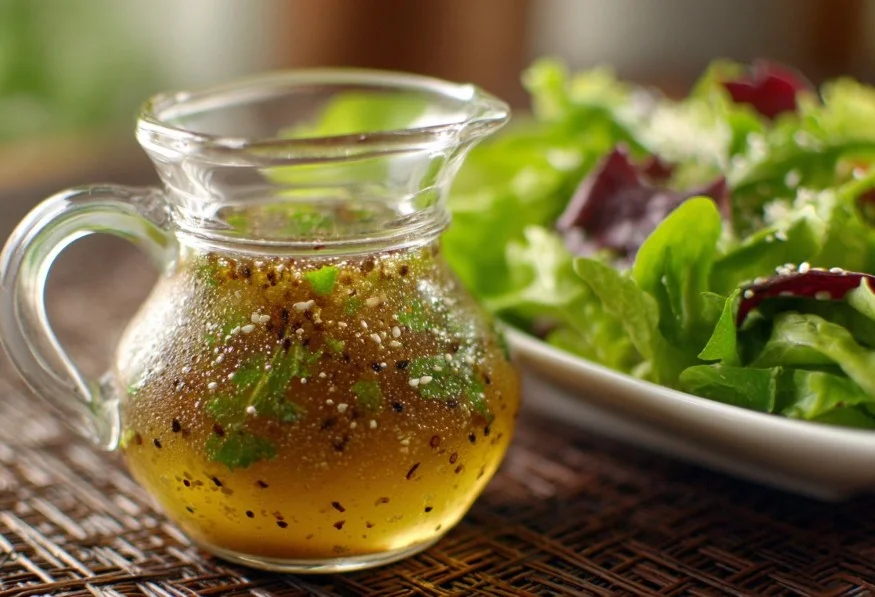
I remember the first time I attempted to make Homemade Salad Dressing. A friend invited me over for a potluck, and as I browsed through my fridge, I realized I had everything I needed to whip up something fresh and flavorful. I didn’t want to show up empty-handed, so I grabbed some olive oil, vinegar, and a few other ingredients I found. To my surprise, the dressing turned out to be a hit! Ever since then, I’ve explored countless variations, all of which brought the same thrill of creativity and deliciousness to my salads. Homemade Salad Dressing is not only a quick solution for elevating any meal, but it also allows you to customize flavors according to your preference.
What is Homemade Salad Dressing
Homemade salad dressing refers to sauces or vinaigrettes made from fresh ingredients, typically oil and vinegar, combined with spices, herbs, and other flavor enhancers. Unlike store-bought options that often contain preservatives and artificial flavors, homemade varieties are authentic and allow for full control over what goes into your meals. You can create a dressing that complements your salad perfectly, whether you prefer a tangy vinaigrette or a creamy dressing.
With Homemade Salad Dressing, you can avoid unwanted additives while enjoying a fresher taste. The beauty of making your own dressing lies in the versatility; you can tailor it to suit any type of salad or palate. Whether it’s a vibrant green salad with seasonal vegetables or a hearty pasta salad, a homemade dressing acts as a glorious finishing touch that brings all the elements together harmoniously.
Why You’ll Love This Homemade Salad Dressing:
The reasons for embracing homemade dressing are many, ranging from health benefits to pure convenience. Here are some critical points to consider:
- Quick and simple to prepare
- Allows for customization based on taste preferences
- Uses fresh, wholesome ingredients without preservatives
- Perfect for various diets (vegan, gluten-free, etc.)
- Cost-effective compared to store-bought alternatives
- Always fresher, providing a punch of flavor that you can adjust at will
Homemade salad dressing can also be an exciting culinary adventure, allowing you to explore flavors with herb infusions, spice blends, or even fruity additions. The process not only enhances your meals but also connects you with the cooking itself, turning an ordinary salad into a gourmet delight.
Ingredients
To create a delicious and basic Homemade Salad Dressing, you will need the following ingredients:
– 1/4 cup olive oil
– 2 tablespoons vinegar (options include balsamic, red wine, or apple cider)
– 1 teaspoon Dijon mustard
– 1 clove garlic, minced
– Salt and pepper to taste
This combination provides a balanced flavor profile that can serve as a foundation for many variations. Feel free to add herbs or spices that resonate with your taste preferences.
Step-by-Step Instructions for Homemade Salad Dressing
Making your own salad dressing couldn’t be simpler! Here is a straightforward method:
- In a small bowl, combine the vinegar, Dijon mustard, and minced garlic.
- Whisk these ingredients together until they are fully combined.
- Gradually add the olive oil while whisking continuously. This helps to emulsify the mixture, creating a smooth texture.
- After achieving the desired consistency, season the dressing with salt and pepper to taste. Adjust as needed according to your preference.
The beautiful part about this Homemade Salad Dressing is that it can be prepared in just a few minutes. Once ready, simply drizzle it over your salad and toss to combine, or serve it on the side for guests to add as they wish.
Pro Tips and Variations:
To enhance your homemade dressing or tweak it to suit various tastes, consider these tips and variations:
- Fresh Herbs: Adding fresh herbs such as basil, cilantro, or parsley can elevate flavor and freshness.
- Sweetness: For a touch of sweetness, consider adding honey, maple syrup, or a bit of fruit juice.
- Spices: Experiment with spices like cumin or red pepper flakes for additional depth.
- Creamy Version: Substitute half of the olive oil with yogurt or mayonnaise for a creamy dressing.
- Flavor Boosters: Incorporate ingredients like grated cheese (Parmesan or feta), capers, or olives to create a unique twist.
Remember to taste and adjust your dressing as you go to ensure it meets your expectations. Enjoy the process of experimenting!
How to Serve Homemade Salad Dressing
Serving Homemade Salad Dressing is as flexible as the dressing itself. Here are some suggestions on how to get the most out of your culinary creation:
- Drizzle the dressing over seasonal green salads loaded with fresh vegetables.
- Use it as a dipping sauce for crudités, enhancing the experience of raw vegetables.
- Pour some over roasted vegetables to bring them to life and add an extra flavor punch.
- Mix it into pasta salads for added zing and creamy texture.
- Pair it with grilled meats or fish as a finishing touch to brighten up flavors.
Feel free to experiment with different salads to see what pairs best with your homemade dressing. Its versatility means that you can make it your own with various combinations.
How to Store Homemade Salad Dressing
To ensure the longevity of your Homemade Salad Dressing, proper storage is essential. Here’s how:
- Refrigeration: Store your dressing in an airtight container or a glass jar in the refrigerator. It generally keeps well for about 1 week.
- Separation: It’s normal for oil and vinegar to separate after a while; simply give it a good shake or stir before using each time.
- Freezing: If you’ve made a larger batch, consider freezing some in ice cube trays. Once frozen, transfer the cubes to a zip-top bag for future use.
Reusing your dressing is simple; just thaw what you need and enjoy without compromising on flavor or texture.
Nutrition Information
The nutrition of Homemade Salad Dressing can vary based on ingredients and portion sizes. However, a basic dressing prepared with the ingredients mentioned typically provides healthy fats from olive oil, vitamins from the vinegar, and antioxidants from garlic. Each serving could approximate:
- Calories: 100 (for a 2-tablespoon serving)
- Fat: 10g
- Saturated Fat: 1g
- Cholesterol: 0mg
- Sodium: 200mg (based on the addition of salt)
This makes homemade dressing not just delicious but also a healthier alternative to many commercial dressings.
FAQs About Homemade Salad Dressing
– **Can I use other oils besides olive oil?**
Yes, you can use different oils such as avocado, sesame, or grapeseed oil for a unique flavor profile.
How can I thicken the dressing?
Add a bit of mayonnaise, yogurt, or mashed avocado to create a creamy consistency.Is it possible to make salad dressing without vinegar?
Absolutely! You can use citrus juice such as lemon or lime as a substitute for vinegar.Can I add fruits to my dressing?
Definitely! Blending in fruits like strawberries or peaches can introduce a delightful sweetness.
Conclusion
Making your own Homemade Salad Dressing is not only an easy endeavor but also a rewarding one. It transforms your salads into something truly special while allowing you to control flavors and ingredients. I encourage you to try this basic recipe, give it your personal twist, and share your experience! By taking the plunge into homemade dressings, you are taking a step into fresher, healthier, and more exciting meals. So grab your ingredients and start creating today!