
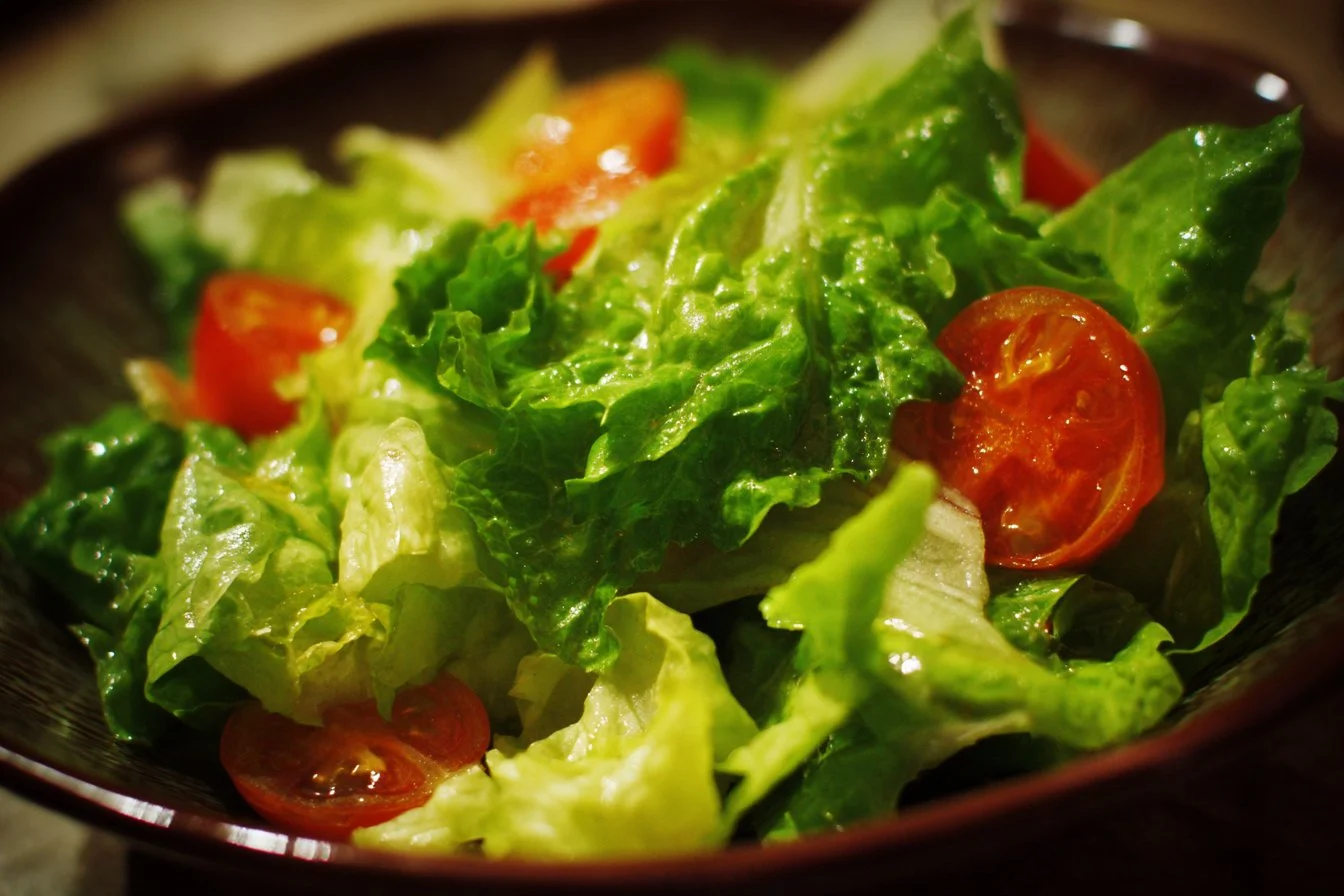
It was a warm afternoon when I decided to take a break from my usual cooking routine and whip up something fresh. After rummaging through my refrigerator, I found an assortment of vibrant vegetables. The idea of a Green Salad sparked my imagination, bringing to mind sunlit picnics and light, wholesome meals. Making a salad is not just about tossing ingredients together; it’s a delightful way to merge flavors, colors, and textures, creating something that feels both nourishing and satisfying. Whether you enjoy it on its own or as a side, a well-crafted green salad is more than just a dish—it’s an experience that refreshes the senses and brightens the day.
What is Green Salad
Green salad is a versatile dish primarily composed of leafy greens, often enhanced with a variety of fresh vegetables, dressings, and sometimes proteins or grains. At its core, a basic green salad features ingredients like lettuce, spinach, or kale, offering a crunchy, nutrient-dense base. The beauty of green salad lies in its adaptability; you can customize it with whatever vegetables are in season or available in your pantry. It can be enjoyed as an appetizer, a light lunch, or as a refreshing side to accompany a more substantial meal. Regardless of its variations, a green salad serves not just as a meal but as a celebration of fresh produce and flavors.
Why You’ll Love This Green Salad:
There are plenty of reasons to whip up a green salad. It’s an ideal dish for anyone seeking a quick, healthy option. Here are some highlights that make it a beloved choice:
- Quick and simple to prepare: With minimal cooking required, you can create a delicious, vibrant salad in minutes.
- Family-friendly meal: It’s a great way to include a variety of vegetables in one dish, catering to diverse tastes and preferences.
- Great for beginners: No cooking skills are required, making it accessible for anyone looking to eat healthier.
- Refreshing and nutritious: Packed with vitamins and minerals, a green salad boosts your intake of important nutrients while keeping meals light.
- Customizable: You can switch up the ingredients based on what you have on hand or to suit different dietary needs.
Ingredients
To make a basic yet delightful green salad, you’ll need the following ingredients:
- 1 head of lettuce (iceberg, romaine, or mixed greens)
- 1 medium cucumber
- 2 medium tomatoes
- 1 small red onion
- 2 medium carrots
- 3 tablespoons olive oil
- 2 tablespoons vinegar (balsamic, red wine, or apple cider)
- Salt and pepper to taste
Feel free to add in any additional toppings or ingredients you enjoy!
Step-by-Step Instructions for Green Salad
Creating a delicious green salad is straightforward. Here’s how to do it in a few easy steps:
- Start by washing all your fresh produce thoroughly under running water to remove any dirt or pesticides.
- Chop the lettuce into bite-sized pieces and place it in a large mixing bowl.
- Dice the cucumber, tomatoes, and red onion, adding them to the bowl as you go.
- Grate or julienne the carrots, then toss them into the mix.
- Drizzle with olive oil and vinegar, adjusting the amount to your taste preference.
- Season generously with salt and pepper, then toss everything together gently to combine all the ingredients.
- Serve immediately and enjoy the burst of fresh flavors!
Pro Tips and Variations:
Here are some tips and variations to elevate your green salad experience:
- Try adding protein: Incorporate grilled chicken, chickpeas, or hard-boiled eggs to make the salad more filling.
- Experiment with dressings: Instead of basic olive oil and vinegar, explore creamy dressings like ranch or yogurt-based options, or even citrus vinaigrettes.
- Add seasonal fruits: Ingredients like strawberries, apples, or oranges can introduce a delightful sweetness.
- Include nuts and seeds: Walnuts, sunflower seeds, or almonds add a satisfying crunch and healthy fats.
- Adjust to dietary needs: If you are gluten-free, ensure your added ingredients adhere to your dietary restrictions.
How to Serve Green Salad
Green salad is incredibly versatile and pairs beautifully with various dishes. Here are some serving ideas:
- As a side dish: Serve it alongside grilled meats or fish for a balanced meal.
- With bread: Pair your salad with fresh bread or pita for a light lunch.
- In wraps: Use the salad as a filling in wraps or sandwiches for added freshness.
- As a main dish: Top it with proteins like tofu or beans to make it the centerpiece of your meal.
- Drizzling with additional dressings or garnishes can enhance the flavors even further.
How to Store Green Salad
If you have leftovers, storing your salad properly keeps it fresh. Here’s how to do it:
- Place the salad in an airtight container to prevent it from wilting.
- Keep the dressing separate, as it can make the leaves soggy if combined.
- Store in the refrigerator for up to 2 days for the best quality.
- If you wish to store it longer, consider freezing ingredients like cucumbers and tomatoes separately, as they typically don’t freeze well once combined in a salad.
To reheat any components, such as toppings, opt for a microwave or stovetop gentle heat without causing the salad greens to wilt.
Nutrition Information (Optional but Recommended)
A green salad can be a low-calorie option while still being nutrient-rich. On average, a serving can provide:
- Calories: 120-150
- Protein: 2-5g
- Carbohydrates: 10-15g
- Fats: 8-15g
- Fiber: 3-4g
These figures can vary based on the specific ingredients used. Including protein sources and healthy fats will enhance these values and provide a more balanced meal.
FAQs Green Salad
1. **Can I use any type of lettuce?**
Yes, you can use various types of lettuce or mixed greens based on your preference or availability.
How can I make my salad dressing healthier?
To make a lighter vinaigrette, swap out some oils for citrus juice, and use herbs for flavor instead of added sugars or cream.Is it possible to make the salad ahead of time?
You can prepare the ingredients ahead of time but combine them right before serving to maintain freshness.What are good toppings for a green salad?
Consider adding nuts, seeds, dried fruits, cheese, or proteins like grilled chicken for added flavor and texture.
Conclusion
Creating a green salad is a simple yet satisfying way to incorporate fresh vegetables into your diet. The ability to customize allows you to explore different flavors and nutrients. Try this green salad recipe and share your experience—it might become a go-to dish in your kitchen! Enjoy the journey of experimenting with ingredients and watching how a traditional dish can adapt to your preferences and seasonal offerings.