
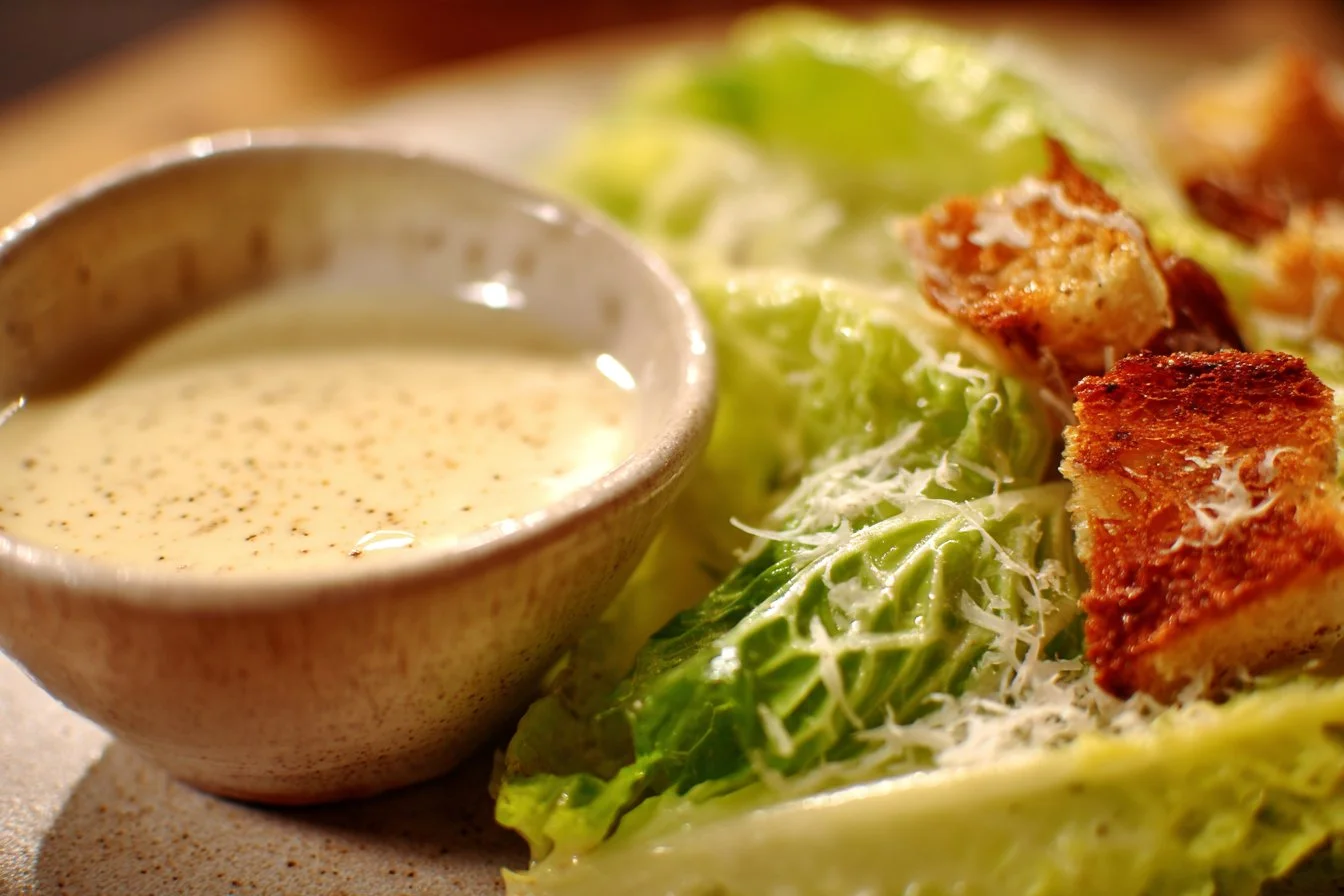
It was a sunny afternoon when I first decided to make a classic Caesar salad. The crunch of the romaine lettuce, the luxurious creaminess of the dressing, and the sharpness of the Parmesan created a perfect harmony that danced on my taste buds. As I whisked together the dressing, I couldn’t help but realize how easy it was to elevate a simple salad into something truly memorable. The key to that amazing flavor was the Caesar Salad Dressing, which transformed the greens into a symphony of taste. Whether you’re serving it for a weeknight dinner or preparing for a gathering, mastering this dressing is a game changer and ensures your salad is never boring.
What is Caesar Salad Dressing
Caesar Salad Dressing is a rich and creamy sauce traditionally used in Caesar salads to enhance the salad’s flavor profile. This dressing is characterized by its combination of ingredients which include mayonnaise, garlic, Parmesan cheese, and a hint of acidity from lemon juice. The origin of the dressing dates back to the 1920s, invented by Caesar Cardini, an Italian immigrant who crafted it in his restaurant in Tijuana, Mexico. It has since become one of the most popular salad dressings worldwide, recognized for its unique taste and versatility. While there are variations available, this dressing typically embodies a balance of creaminess and tanginess, making it an irresistible addition to many dishes beyond a salad, such as grilled meats and sandwiches.
Why You’ll Love This Caesar Salad Dressing:
There are numerous reasons to whip up this Caesar Salad Dressing right in your kitchen. Here are some key benefits that make it a favorite:
- Quick and simple to prepare: With just a few ingredients, you can whip up a dressing in no time.
- Family-friendly meal: This dressing appeals to different palates, from kids to adults.
- Great for beginners: It requires minimal culinary skills, making it accessible for anyone who wants to try their hand at homemade dressings.
- Customizable: You can adjust the ingredients to fit your flavor preferences or dietary needs.
- Fresh taste: Homemade dressing is often more flavorful than store-bought versions, allowing you to control the quality of ingredients.
By making your own Caesar Salad Dressing, you not only enhance the taste of your salads but also enjoy a fresher and more wholesome option compared to commercial dressings.
Ingredients
To create a delicious Caesar Salad Dressing, you will need the following ingredients:
- 1 cup mayonnaise
- 2 tablespoons lemon juice
- 1 teaspoon Dijon mustard
- 1 teaspoon Worcestershire sauce
- 1 garlic clove, minced
- 1/4 cup grated Parmesan cheese
- Salt and pepper to taste
These ingredients combine to create a dressing that is creamy, tangy, and bursting with flavor.
Step-by-Step Instructions for Caesar Salad Dressing
Making your own Caesar Salad Dressing is a straightforward process that involves just a few steps. Begin by gathering all your ingredients. In a mixing bowl, whisk together 1 cup of mayonnaise, 2 tablespoons of lemon juice, 1 teaspoon of Dijon mustard, 1 teaspoon of Worcestershire sauce, and the minced garlic.
Continue to mix until all the ingredients are well combined and the mixture is smooth. Once you’ve achieved a creamy texture, stir in 1/4 cup of grated Parmesan cheese. Taste your dressing and adjust the seasoning with salt and pepper to your liking.
This dressing can be served immediately over your favorite salad or stored in the refrigerator for later use. If you decide to refrigerate it, the flavors will meld together beautifully, making it even more delicious as it sits.
Pro Tips and Variations:
When it comes to personalizing your Caesar Salad Dressing, there are several tweaks you can make to cater to your taste or dietary requirements. Here are some pro tips:
- For a lighter version, consider substituting Greek yogurt for half of the mayonnaise or using a light mayonnaise.
- To add a spicy kick, incorporate a dash of hot sauce or a sprinkle of red pepper flakes.
- If you prefer a more herbaceous flavor, try adding fresh herbs like parsley or basil for an aromatic touch.
- Substitute the Parmesan cheese with a dairy-free alternative if you’re looking for a vegan option.
- Use fresh lemon juice instead of bottled juice for a brighter taste.
Experimenting with these variations can help you discover a version of Caesar Salad Dressing that fits perfectly with your meal preferences.
How to Serve Caesar Salad Dressing
Caesar Salad Dressing is most commonly paired with romaine lettuce and croutons in a classic Caesar salad. However, there are numerous ways to enjoy this delicious dressing.
- Toss it with other greens: Try using spinach or kale for a unique twist.
- Drizzle over grilled chicken or shrimp: This dressing works wonders as a sauce for grilled meats.
- Use it as a dip: It pairs well with fresh vegetables or as a spread on sandwiches and wraps.
- Substitute it in pasta salads: Mix it into your pasta for a creamy texture and flavor.
By incorporating this dressing into a variety of dishes, you can enjoy its rich flavor in numerous ways.
How to Store Caesar Salad Dressing
After making your Caesar Salad Dressing, proper storage is key to maintaining its freshness. Keep any leftovers in an airtight container in the refrigerator. The dressing should be consumed within three to four days for the best taste and quality.
When storing, be mindful that the ingredients may separate upon sitting; simply give it a good stir before using it again. If you want to prepare a batch for future meals, consider freezing small portions in ice cube trays. This allows you to have ready-to-use dressing portions that thaw quickly in the refrigerator.
Nutrition Information
Understanding the nutritional content of your Caesar Salad Dressing can help you make informed choices. A typical serving of homemade Caesar dressing contains approximately:
- Calories: 120-150
- Total Fat: 15g
- Saturated Fat: 3g
- Cholesterol: 20mg
- Sodium: 250mg
- Protein: 1g
- Carbohydrates: 1g
These values can vary based on ingredient choices, especially if you opt for lighter versions or alternative ingredients.
FAQs about Caesar Salad Dressing
Can I make Caesar Dressing without mayonnaise?
Yes, you can use Greek yogurt as a substitute for mayonnaise to create a lighter version.How long will homemade Caesar dressing last?
Stored properly in an airtight container in the refrigerator, it can last about three to four days.Can I freeze Caesar Salad Dressing?
Yes, freeze portions in ice cube trays for easy thawing and use in the future.Is Caesar dressing gluten-free?
Traditional Caesar dressing is gluten-free, but always check labels for added ingredients, particularly in commercial versions.
Conclusion
Trying your hand at making Caesar Salad Dressing at home opens up a world of culinary delight. The fresh, creamy flavor elevates not only salads but various dishes, making it a versatile staple in your kitchen. The simplicity of the ingredients combined with the ease of preparation makes it an immediate favorite. So gather your ingredients, mix up a batch, and enjoy the rich taste of homemade Caesar Salad Dressing. Share your experience and let us know how you’ve customized it to make it your own!