
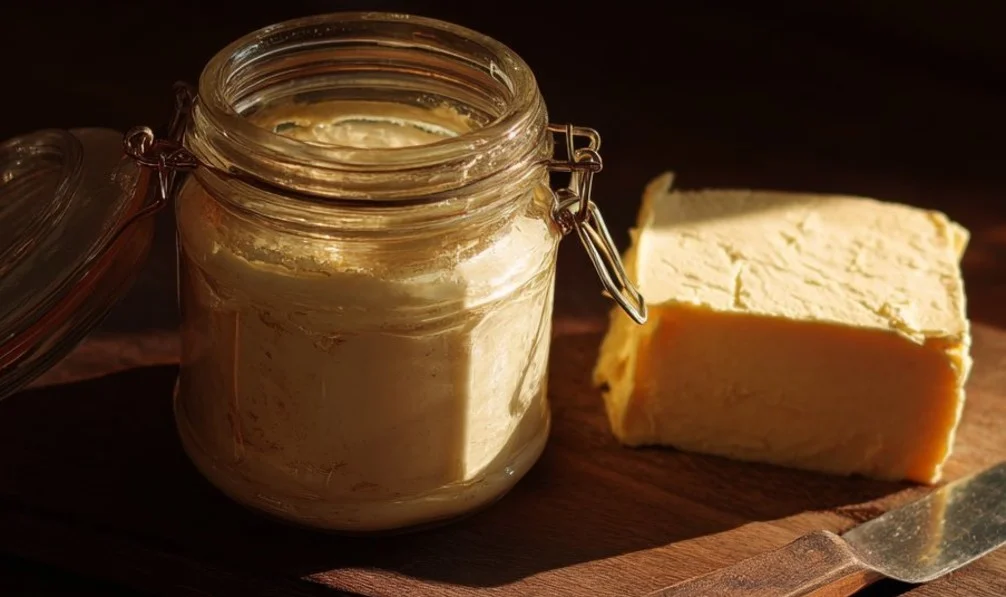
When I was a child, weekends were often filled with the delightful smell of my grandmother cooking in her cozy kitchen. The flavors of her dishes felt like a warm embrace, and one of her secret ingredients was something she referred to as "beef tallow." Intrigued, I watched as she melted down the golden fat, transforming it into an essential cooking ingredient that delivered depth and richness to her recipes. Little did I know that beef tallow would not only enhance flavor but also provide numerous health benefits. Today, I often turn to this traditional cooking fat, celebrating its versatility and robust properties—I encourage anyone looking to elevate their culinary skills to explore the wonders of beef tallow.
What is Beef Tallow
Beef tallow is rendered fat obtained from the suet or fatty tissues of cattle. This age-old cooking fat has been used for centuries and is gaining renewed attention for its health benefits and cooking properties. Tallow has a high smoke point, making it ideal for frying and sautéing, while lending rich flavors to various dishes. One of the standout features of beef tallow is its composition, which includes beneficial saturated fats and omega-3 fatty acids, making it a more natural choice compared to processed oils.
The traditional craft of rendering beef tallow involves slow cooking the fat until it separates from any impurities and water, resulting in a clean, flavorful cooking fat. Tallow can be stored for long periods without spoiling, making it a practical option for home cooks. With the growing interest in sustainable and whole-food cooking, beef tallow emerges as an efficient and tasty alternative to modern vegetable oils. Understanding beef tallow’s unique properties unlocks a world of culinary possibilities.
Why You’ll Love This Beef Tallow
There are numerous reasons to add beef tallow to your cooking repertoire. Here are some key benefits that stand out:
- Rich Flavor: Beef tallow enhances the natural taste of meat and vegetables, enriching your meals.
- Nutrient Dense: This fat contains essential fatty acids, vitamins A, D, E, and K that support overall health.
- High Smoke Point: With a smoke point of around 400°F, tallow is perfect for high-heat cooking methods like frying and roasting.
- Versatility: It works wonderfully for frying, baking, and even as a spread for bread.
- Culinary Tradition: Using tallow connects you to a long-standing culinary tradition, integrating time-tested techniques into your cooking.
By incorporating beef tallow into your meals, you not only elevate your culinary creations but also take advantage of a wholesome cooking fat that supports a healthy lifestyle.
Ingredients
- Beef fat (suet)
Step-by-Step Instructions for Rendering Beef Tallow
Trim the Fat: Start by carefully trimming any remaining meat or impurities from the beef fat. This step ensures a cleaner flavor profile in the final product.
Cut into Cubes: Chop the trimmed fat into small, uniform cubes. This increases surface area and allows for more efficient rendering.
Slow Cooking: Place the beef fat cubes into a slow cooker or a heavy-bottomed pot. Set the heat to low and let it melt down gradually. Stir occasionally to ensure even melting, which typically takes about 1 to 2 hours.
Strain the Fat: Once completely melted, strain the liquid tallow through a fine mesh strainer or cheesecloth into a heatproof container. This process removes any remaining solids that could affect the texture.
Cool and Store: Allow the strained fat to cool and solidify. Once set, store the beef tallow in a cool, dark place or in the refrigerator for optimal freshness.
Following these steps, you’ll end up with a clean, golden tallow ready to be used in your favorite dishes.
Pro Tips and Variations:
To get the most out of beef tallow, here are some pro tips and variations to consider:
Mix with Other Fats: For a unique flavor, try blending tallow with other fats such as ghee or olive oil, offering a nuanced taste and maximizing health benefits.
Infuse Flavors: Consider infusing beef tallow with herbs and spices during the melting process. This will enhance the flavor profile and add a depth to your dishes that is simply extraordinary.
Use for Baking: Use beef tallow in place of butter or vegetable oil when baking, particularly in recipes for cookies and pastries. It can provide a unique texture and flavor that is truly delightful.
Environmental Consideration: When sourcing your beef fat, look for responsibly raised cattle from local farms. This not only supports sustainability but also ensures a high-quality product.
Experiment with Savory and Sweet: While tallow shines in savory applications, don’t shy away from trying it in sweet recipes where it can provide a rich baseline flavor.
How to Serve Beef Tallow
Beef tallow can be a fantastic addition to a variety of dishes. Here are a few serving suggestions to help you incorporate it into your meals:
Roasted Vegetables: Drizzle tallow over seasonal veggies before roasting to enhance their flavors and add a delightful crispness.
Fried Foods: Use tallow for frying foods like potatoes or chicken, imparting a unique flavor and extra crunch that is hard to beat.
Savory Pastries: Incorporate the rich flavor of tallow in savory pastries and breads, creating a distinct taste that will impress your family and guests.
As a Cooking Base: Sauté onions, garlic, or meats in tallow to build robust flavors in soups and stews that will draw everyone to the table.
By experimenting with these serving ideas, you can find endless ways to showcase the incredible flavor and versatility of beef tallow in your cooking.
How to Store Beef Tallow
Proper storage of beef tallow is crucial for maintaining its quality and flavor. Here’s how to do it effectively:
Storage Container: Once it has cooled and solidified, transfer the tallow to an airtight container. Glass jars or vacuum-sealed bags work particularly well.
Refrigeration: Store the beef tallow in the refrigerator, where it can last for several months. Make sure it is kept sealed to prevent it from absorbing odors from other foods.
Freezing: For longer storage, beef tallow can be frozen. Just make sure to use a freezer-safe container and label it with the date to keep track of freshness.
Reheating: When ready to use, simply scoop out the amount needed. To reheat, place it in a saucepan over low heat until it melts down again. This method ensures the tallow retains its properties and flavor.
By following these storage guidelines, you can ensure your beef tallow remains fresh and flavorful for all your cooking needs.
Nutrition Information
While specific nutrition values can vary based on factors like the animal’s diet and feeding practices, beef tallow is primarily composed of fats. Here’s a general overview:
- Calories: Approximately 115 calories per tablespoon
- Fat: About 13 grams of fat, of which 6 grams are saturated
- Omega-3 and Omega-6 fatty acids: Naturally occurring in balanced amounts
- Vitamins A, D, E, and K: Important for various bodily functions and overall health
Incorporating beef tallow as part of a balanced diet can help provide necessary nutrients while enhancing the flavor of your meals.
FAQs about Beef Tallow
Is beef tallow healthy?
Yes, beef tallow is healthy when consumed in moderation. It contains beneficial fats and vitamins that contribute to a balanced diet.Can I use beef tallow for frying?
Absolutely! With its high smoke point, beef tallow is excellent for frying, giving your dishes a rich flavor and crispy texture.How can I tell if my tallow has gone bad?
If your tallow develops an off smell, strange color, or mold, it is best to discard it. Proper storage helps prevent spoilage.Can I substitute beef tallow in recipes?
Yes, you can substitute beef tallow for other cooking fats like butter or vegetable oil, keeping in mind that it may alter the flavor and texture.
Conclusion
Exploring the world of beef tallow can bring depth and richness to your cooking that is often overlooked in modern culinary practices. Its historical significance, coupled with a resurgence in interest for wholesome and traditional cooking methods, makes it an ingredient worth trying. The folds of flavor, versatile applications, and health benefits will undoubtedly enhance your meals. I encourage you to give rendering your own beef tallow a try, and share your experiences—it might just become a staple in your kitchen!