
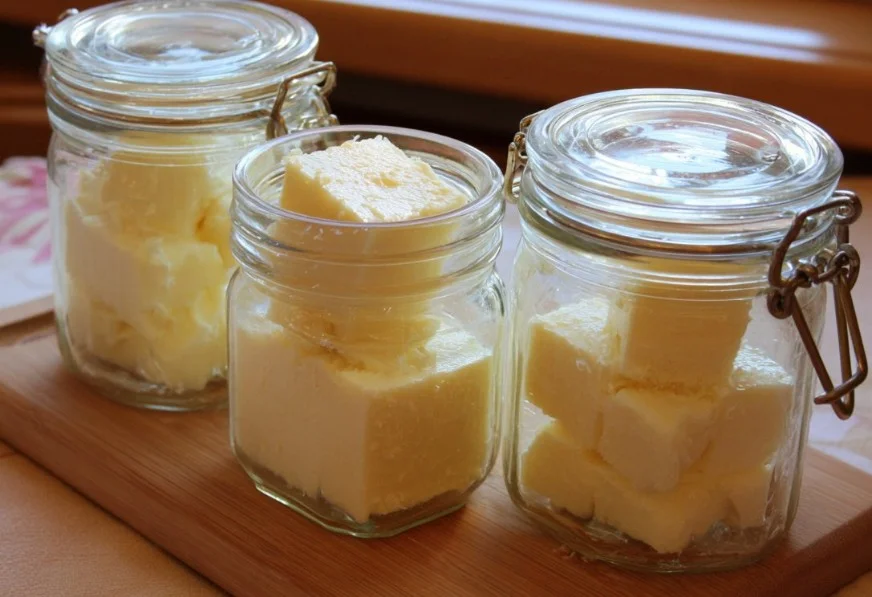
The first time I rendered beef tallow, I was fascinated by the process. I had always heard about how versatile and rich in flavor it was, especially for cooking and baking. One afternoon, with some beef fat on hand, I decided to dive into the world of beef tallow. Little did I know, the process would not only reward me with a delicious cooking fat but also fill my kitchen with delightful aromas. Knowing how to make beef tallow opened up new culinary avenues, and I’m excited to share the journey.
What is Beef Tallow
Beef tallow is the rendered fat from beef, and typically, it comes from the fat surrounding the kidneys and loins, known as suet. This fat is prized for its high smoke point and rich flavor, making it an excellent choice for frying, sautéing, or even baking. Unlike other cooking oils, beef tallow is stable at high temperatures, which means it won’t break down easily during cooking. This property helps maintain the unique taste of your dishes while adding a depth that is hard to replicate with other fats. In addition to its culinary uses, this fat has historical significance, dating back to early culinary traditions where it was widely used for cooking and preserving food.
Why You’ll Love This Beef Tallow:
There are several compelling reasons to start rendering your own beef tallow:
- Quick and simple to prepare
- Family-friendly fat suitable for all ages
- Great for beginners, with minimal equipment needed
- Adds a rich flavor to roasted vegetables and meats
- Versatile, allowing use in various recipes, from baked goods to savory dishes
In addition, homemade beef tallow is a more sustainable option than many store-bought cooking oils. If you enjoy cooking from scratch or implementing whole-food principles, rendering your own tallow can be a rewarding step towards a more self-sufficient kitchen.
Ingredients
- Beef fat (either suet or trimmings)
- Water (optional, for rendering)
These simple ingredients are all you need to create rich, flavorful tallow. Start with sourced beef fat from a trusted butcher or supplier to ensure high quality and flavor.
Step-by-Step Instructions to Make Beef Tallow
- Cut the beef fat into small pieces, roughly 1-inch cubes. This will help the fat melt more evenly.
- Place the fat in a large pot over low heat. Using low heat is crucial, as it allows the fat to render slowly without burning.
- Allow the fat to slowly render down, stirring occasionally to prevent any sticking. This process can take a while, so patience is key.
- If you decide to use water, add it gradually. It helps to render the fat more effectively and can create a smoother final product.
- Continue cooking until the fat is fully melted, and you can see the remaining solids starting to brown at the bottom of the pot.
- Strain the liquid fat through a fine mesh strainer or cheesecloth to separate it from the solid bits.
- Finally, let the tallow cool before pouring it into a clean container for storage. Once cooled, it will solidify and can be kept in the refrigerator or at room temperature.
Pro Tips and Variations:
- Keep the temperature low. High heat can burn the tallow and create an unpleasant flavor.
- Experiment with herbs and spices during the rendering process to infuse additional flavors. Herbs like thyme or garlic can provide an aromatic touch.
- For a more refined taste, you can purify the tallow twice by rendering it again.
- If you want to make the most of your fat, wrap any extra bits of fat or trimmings in parchment paper and freeze them until you can render them.
- Note that different cuts of beef may yield different flavors; feel free to experiment with various sources of fat.
How to Serve Beef Tallow
Beef tallow is incredibly versatile in the kitchen. Here are some ways you can incorporate it:
- Use it for frying: It provides a rich flavor to potatoes, chicken wings, or even doughnuts.
- Sauté vegetables: Enhance the taste of your next stir-fry with a few tablespoons of tallow.
- Grilling meats: Tallow can be used to baste meats while they cook, adding moisture and flavor.
- Baking: Try substituting tallow for butter in recipes for a unique twist, especially in savory pies or biscuits.
There are endless possibilities to explore with beef tallow; let your creativity shine in the kitchen!
How to Store Beef Tallow
Storing beef tallow is straightforward. Once cooled and strained, pour it into an airtight container. Tallow can be stored in the refrigerator for up to several months. If placed in the freezer, it can last even longer, retaining its flavor and quality. When you’re ready to use it, simply scoop out the desired amount and let it thaw at room temperature or gently reheat it in a pan over low heat to melt. Avoid using high temperatures when reheating, as this can compromise the flavor and quality of the fat.
Nutrition Information
Beef tallow is primarily composed of fat, providing a concentrated source of energy. It’s rich in saturated fats, which some studies suggest may have a role in hormone production and immune function. It’s important to consume fats in moderation and to balance them with other nutrients. Additionally, tallow contains fatty acids beneficial for various bodily functions.
FAQs about Beef Tallow
Q: Is beef tallow healthy?
A: In moderation, beef tallow can be a part of a healthy diet, particularly when sourced from grass-fed cattle, as it contains beneficial fatty acids.
Q: Can I render tallow from any type of beef fat?
A: The best fat for rendering tallow is suet, particularly from grass-fed beef. However, you can also use trimmings from other cuts.
Q: How long does the rendered tallow last?
A: When properly stored in an airtight container, beef tallow can last for several months in the refrigerator and up to a year in the freezer.
Q: What dishes can benefit from using beef tallow?
A: Beef tallow can enhance the flavor of roasted vegetables, fried foods, and baked goods. It’s a wonderful versatile fat for various culinary applications.
Conclusion
Learning how to make beef tallow not only enriches your culinary skills but also provides a unique, homemade ingredient that can enhance various dishes. With its high smoke point and rich flavor, beef tallow offers incredible versatility in the kitchen. If you haven’t tried making it yet, I encourage you to give it a go! Experiment with different methods and recipes, and feel free to share your experiences in the comments. Enjoy the journey into cooking with beef tallow—it’s sure to be a rewarding and flavorful adventure!