
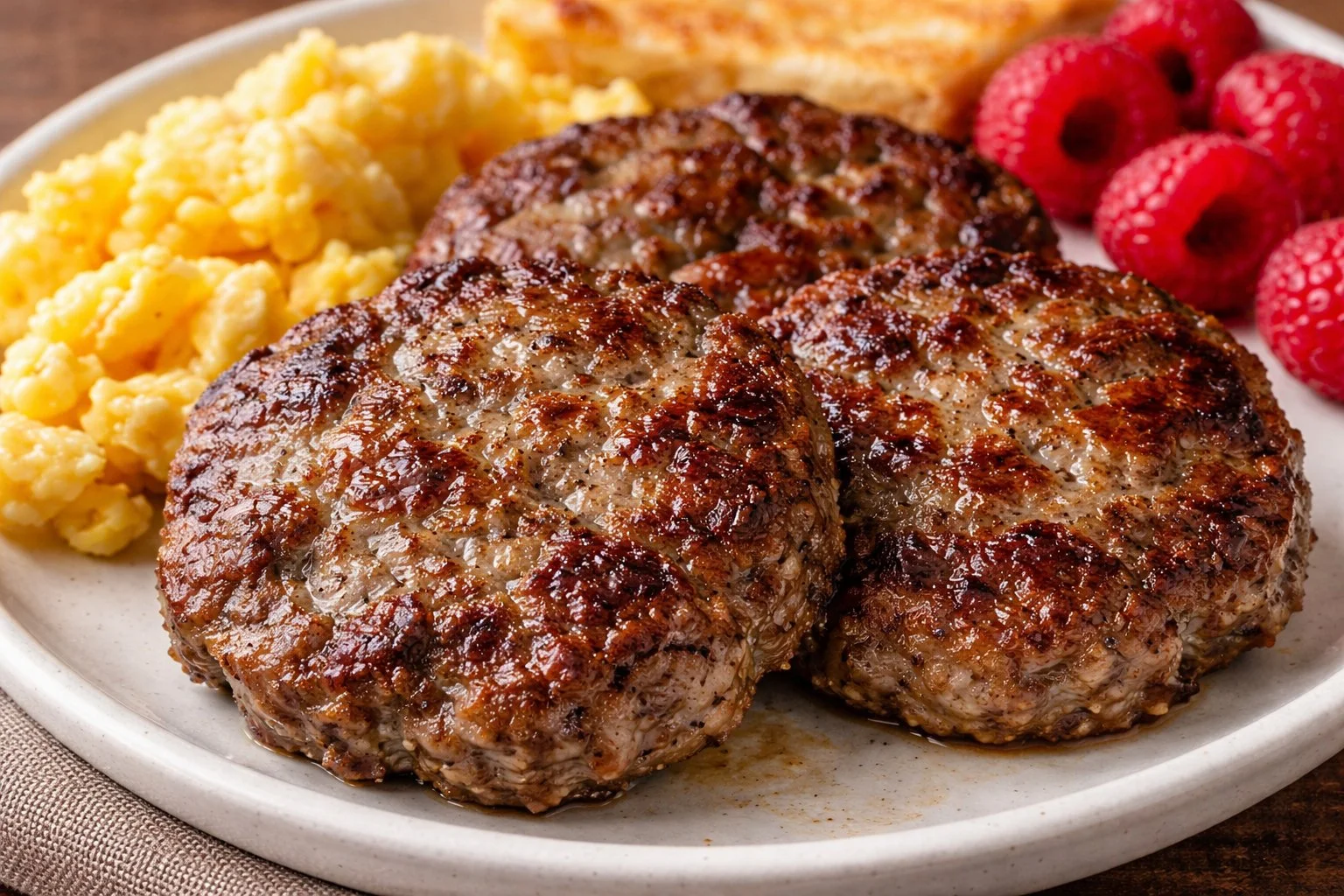
I will never forget the day I decided to make beef sausage for the first time. The process felt daunting at first, with so many spices and techniques to consider, but the excitement of creating something from scratch was absolutely thrilling. As the fragrant aroma of the beef sausage filled my kitchen, I realized not only how rewarding it was to make my own sausages but also how versatile they could be. This delicious delicacy can be grilled, sautéed, or even added to hearty stews. The ability to customize flavors means that everyone can enjoy this treat in their own way, making it a popular choice for family gatherings and celebrations.
What is Beef Sausage
Beef sausage is a flavorful ground meat product made primarily from beef, often seasoned with a variety of spices and herbs. It can be found in multiple forms, including links and patties, and is enjoyed worldwide in different cuisines. Sausage-making has a rich history that dates back centuries, evolving into countless variations. The key to good beef sausage lies in the quality of the meat used, the balance of spices, and the technique of preparation. Traditionally, beef sausage may contain a small amount of fat to enhance flavor and texture, making it deliciously juicy when cooked properly.
Why You’ll Love This Beef Sausage:
– Quick and simple to prepare, making it an accessible meal option.
– Family-friendly meal that appeals to both adults and children alike.
– Great for beginners who want to try their hand at homemade processing.
– Customizable flavors to suit individual preferences or dietary needs.
– Perfect for grilling, frying, or adding to various dishes like pasta or rice.
Ingredients
– 1 pound ground beef
– 1/4 cup pork fat (optional)
– 1 tablespoon salt
– 1 teaspoon black pepper
– 1 teaspoon crushed red pepper flakes
– 1 tablespoon paprika
– 1 teaspoon garlic powder
– 1 teaspoon onion powder
– 1/4 cup cold water
– Sausage casings (if making links)
Step-by-Step Instructions for Beef Sausage
1. In a large bowl, combine the ground beef, pork fat (if using), and all the spices. Mix thoroughly until evenly distributed to ensure each bite is flavorful.
2. Gradually add the cold water to the mixture, continuing to mix until everything is well combined. This will help achieve a good consistency that allows for easy stuffing.
3. If you opt to make links, rinse the sausage casings in cold water and soak them for about 30 minutes to ensure they are pliable. Stuff the casings with the meat mixture, carefully tying them off at intervals to prevent bursting while cooking.
4. If making patties instead, take portions of the mixture and shape them into round discs. This can be an easier option if you don’t have casings on hand.
5. Cook the sausages on a grill, in a skillet, or in the oven until they reach an internal temperature of 160°F (71°C). Cooking them thoroughly ensures safety and enhances the flavors.
Pro Tips and Variations:
Making beef sausage opens the door to many exciting variations. Here are a few pro tips and tweaks:
– Experiment with different spice blends such as Italian seasoning, barbecue sauce, or even fresh herbs to create your unique flavor profile.
– For an added kick, consider incorporating minced jalapeños or diced green chilies.
– If you’re looking to reduce fat, use lean cuts of beef or omit the pork fat entirely.
– Make small test patties from your mixture and cook them first. This allows you to adjust seasoning before making the full batch.
– Try incorporating cheese or sun-dried tomatoes for an extra layer of taste.
How to Serve Beef Sausage
Beef sausage can be served in many delightful ways. It pairs perfectly with:
– A side salad or roasted vegetables to balance the rich flavors.
– Baked potatoes or rice for a filling meal.
– Sandwiches featuring fresh bread, sautéed peppers, and onions for a hearty lunch.
– Breakfast plates alongside eggs and toast.
Feel free to get creative – the options are endless!
How to Store Beef Sausage
After you’ve made a batch of beef sausage, storing it properly is essential for maintaining its flavor and quality. If you have leftovers, place them in an airtight container in the refrigerator, where they’ll stay fresh for up to four days. For longer storage, freeze the sausage wrapped tightly in freezer-safe packaging. They can last for several months in the freezer. When you’re ready to enjoy them again, reheat in a skillet over medium heat, or bake in the oven until warmed through, ensuring the delicious taste and texture are preserved.
Nutrition Information
The nutritional value of beef sausage can vary based on the ingredients used. Typically, a one-ounce serving contains:
– Calories: Approximately 80
– Protein: 9 grams
– Total Fat: 5 grams
– Saturated Fat: 2 grams
– Cholesterol: 30 mg
– Sodium: 300 mg
The protein content makes it a fulfilling addition to your meal, but it’s wise to enjoy it in moderation, given the sodium and fat content.
FAQs about Beef Sausage
**1. Can I use different meats for sausage?**
Yes, you can use other meats such as chicken, turkey, or lamb, but adjust the seasoning according to the meat’s flavor profile.
2. Is it necessary to use casings?
No, casings are optional. You can shape the sausage mixture into patties instead, which are just as delicious.
3. How can I tell when the sausage is cooked?
The best way to check is with a meat thermometer; it should reach an internal temperature of 160°F (71°C).
4. Can I make beef sausage ahead of time?
Absolutely! You can prepare the sausage mixture and refrigerate or freeze it until you’re ready to cook, saving you time later.
Conclusion
Making beef sausage is not just a culinary project; it is an opportunity to create something genuinely satisfying and tailor it to your taste. The journey from raw ingredients to a deliciously cooked sausage is an adventure worth taking. Try this beef sausage recipe, and I assure you, it will become a staple in your cooking repertoire. Don’t forget to share your experience and any unique twists you add – I would love to hear how it turns out for you!