
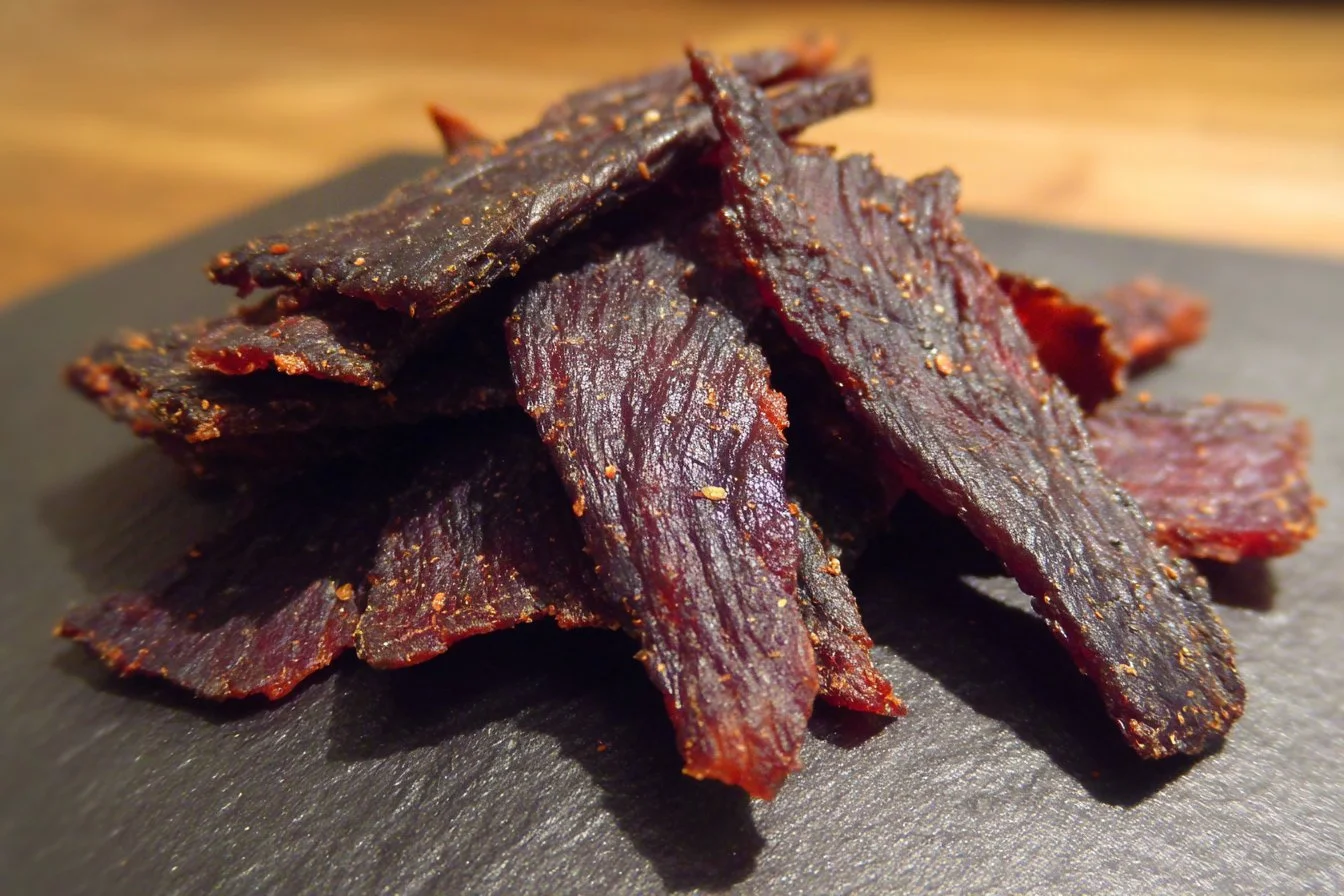
It was during a long hiking trip when I first discovered the true power of beef jerky. The sun was setting, and my friends and I were exhausted after a day filled with tough trails and stunning views. We pulled out our supplies, and that’s when I tasted the savory, chewy bites of beef jerky for the first time. It was like a burst of energy wrapped in flavor, perfect for fueling our adventures. Since then, I’ve made beef jerky a staple for road trips, camping, and just about any outdoor plan. Making my own at home became a fun project that allowed me to customize flavors and control ingredients. There’s one thing for sure: homemade beef jerky has transformed my snack game.
What is Beef Jerky
Beef jerky is a popular snack made from lean cuts of beef that undergo a drying process to remove moisture. This preservation method hails from a time when refrigeration was unavailable, allowing people to enjoy meat for extended periods. Jerky can be seasoned with various spices and marinades, making it versatile and full of flavor. Typically, the beef is sliced thinly against the grain and then marinated before being dried or smoked to create that signature chewy texture. Beyond its long shelf life, beef jerky packs a punch of protein and is lightweight, making it an ideal food for outdoor enthusiasts, travelers, or those looking for a quick, satisfying snack.
Why You’ll Love This Beef Jerky
Making beef jerky at home opens a world of flavors and possibilities, and here are some reasons you’ll love this recipe:
- Quick and simple to prepare: With just a few hours of marinating and drying time, you can easily make a batch in a single afternoon.
- Customizable flavors: You can adjust the marinade to suit your taste—add more spice, reduce sugar, or experiment with unique seasoning blends.
- Healthy snack: Rich in protein and low in fat, beef jerky provides a nutritious option for those watching their diet.
- Great for sharing: A homemade batch makes for an excellent gift or a fun item to bring to gatherings.
- Perfect for adventurers: Lightweight and non-perishable, it’s an ideal snack for hiking, camping, or road trips.
Making your own beef jerky not only saves money compared to store-bought options but also gives you complete control over what you eat.
Ingredients
To create delicious homemade beef jerky, gather the following ingredients:
- 2 pounds of beef (top round or flank), sliced thinly
- 1/4 cup soy sauce
- 1/4 cup Worcestershire sauce
- 1 tablespoon black pepper
- 1 tablespoon garlic powder
- 1 tablespoon onion powder
- 1 tablespoon smoked paprika
- 1 teaspoon red pepper flakes (optional, for spice)
- 1 tablespoon brown sugar
These ingredients come together to create a balanced marinade that enhances the natural flavor of the beef while adding depth with spices and a touch of sweetness.
Step-by-Step Instructions for Beef Jerky
- Start by selecting your beef cut. Top round or flank steak works best. Slice the beef into thin strips, ideally about 1/4 inch thick, cutting against the grain to ensure a tender chew.
- In a medium-sized mixing bowl, combine the soy sauce, Worcestershire sauce, black pepper, garlic powder, onion powder, smoked paprika, red pepper flakes, and brown sugar. Mix well to form a flavorful marinade.
- Place the beef strips into the marinade, ensuring each piece is fully coated. Cover the bowl and let it marinate in the refrigerator for at least four hours, but overnight allows the flavors to meld beautifully.
- Preheat your oven to 175°F (80°C) or set up your dehydrator according to the manufacturer’s instructions.
- Arrange the marinated beef strips in a single layer on a baking rack, ensuring some space between each piece for even drying.
- Dry the beef in the oven or dehydrator for approximately four to six hours, checking periodically. The jerky should be firm yet still slightly chewy—not brittle.
- Once dried, remove the jerky from the heat and let it cool before storing. Place the cooled jerky in an airtight container to maintain freshness.
Follow these steps for a successful and satisfying homemade beef jerky experience.
Pro Tips and Variations
Creating the perfect beef jerky can be enhanced with a few pro tips:
- Choose the right cut: Lean meats like top round or flank steak produce the best results. Fat can spoil quickly, so be cautious.
- Experiment with marinades: Try adding different flavors such as teriyaki, spicy mustard, or even a honey glaze for a sweet touch.
- Control the spice level: Adjust red pepper flakes or add hot sauce to the marinade for a kick.
- Use a dehydrator: For easier drying and more consistent results, consider using a food dehydrator as it allows better temperature control.
- Store effectively: For long-term storage, vacuum seal portions of jerky to keep it fresh and flavorful for up to a year.
With these tips, you can personalize your beef jerky to match your preferences while also mastering the craft.
How to Serve Beef Jerky
Beef jerky is incredibly versatile, making it a great addition to various occasions. Here are some serving ideas:
- On-the-go snack: Pack individual servings in bags for a quick energy boost during hikes or travel.
- Pairing with beverages: Jerky pairs nicely with beer, sparkling water, or even your favorite beverage, enhancing the tasting experience.
- Salads and soups: Chop jerky finely and sprinkle it over salads or add it to soups for an added protein punch.
- Charcuterie boards: Include your homemade jerky on a charcuterie board alongside cheeses, nuts, and dried fruits for a sophisticated touch at gatherings.
- Tasty appetizers: Serve with dips, such as hummus or guacamole, at parties or as part of a casual gathering spread.
Get creative with your beef jerky to explore new flavors and experiences.
How to Store Beef Jerky
Storing your beef jerky properly is essential for maintaining its flavor and freshness. Here’s how to do it:
- Airtight container: Once cooled, place your jerky in an airtight container or resealable bag. This will help preserve its moisture and flavor.
- Refrigeration: For homemade jerky, it’s best to store it in the refrigerator if you plan to consume it within a few weeks.
- Long-term storage: For longer preservation, vacuum-sealing the jerky can extend its shelf life up to a year.
- Reheating tips: If you prefer to enjoy your jerky warm, you can briefly microwave it on a low setting. Be cautious not to overheat, as it can lose its tender texture.
By following these storage guidelines, you can ensure that your beef jerky remains delicious for as long as possible.
Nutrition Information
Homemade beef jerky is not only tasty but also packs a nutritious punch. Here are key nutritional elements to note:
- Serving size: Approximately 1 ounce (28 grams) of beef jerky offers around 70-100 calories.
- Protein: Each serving contains about 10-15 grams of protein, making it an excellent source for muscle repair and energy.
- Fat: Depending on the cut of meat used, beef jerky can be low in fat, usually around 1-3 grams per serving, especially when made from lean cuts.
- Sodium: Keep in mind that jerky can be high in sodium due to the soy sauce and Worcestershire sauce, which contributes to its flavor.
Always check specific marinades used, as they can affect overall nutritional content.
FAQs About Beef Jerky
1. Can I make beef jerky in a regular oven?
Yes, a regular oven works well for making beef jerky. Just ensure you preheat it properly and monitor the drying process to avoid any burning.
2. How long does homemade beef jerky last?
When stored correctly in an airtight container in the refrigerator, homemade beef jerky can last for several weeks. For long-term storage, vacuum-sealing can extend its shelf life for up to a year.
3. Can I use other meats besides beef?
Absolutely! You can make jerky from other meats like turkey, chicken, or even fish, but be sure to adjust marinating times based on the meat’s thickness.
4. How do I know when the jerky is done?
The jerky is done when it looks dry and firm to the touch. It should be chewy without being brittle. A good test is to bend a strip; it should crack but not break.
Conclusion
Making your own beef jerky at home is not only rewarding but also an enjoyable culinary adventure. It allows for personalization, offers a nutritious snack option, and is simple to prepare. I encourage you to try this recipe, share your experiences, and maybe even come up with your own fabulous flavor combinations. With a handful of ingredients and a little patience, you’ll have a tasty snack that’s perfect for any occasion. Enjoy your homemade beef jerky!