
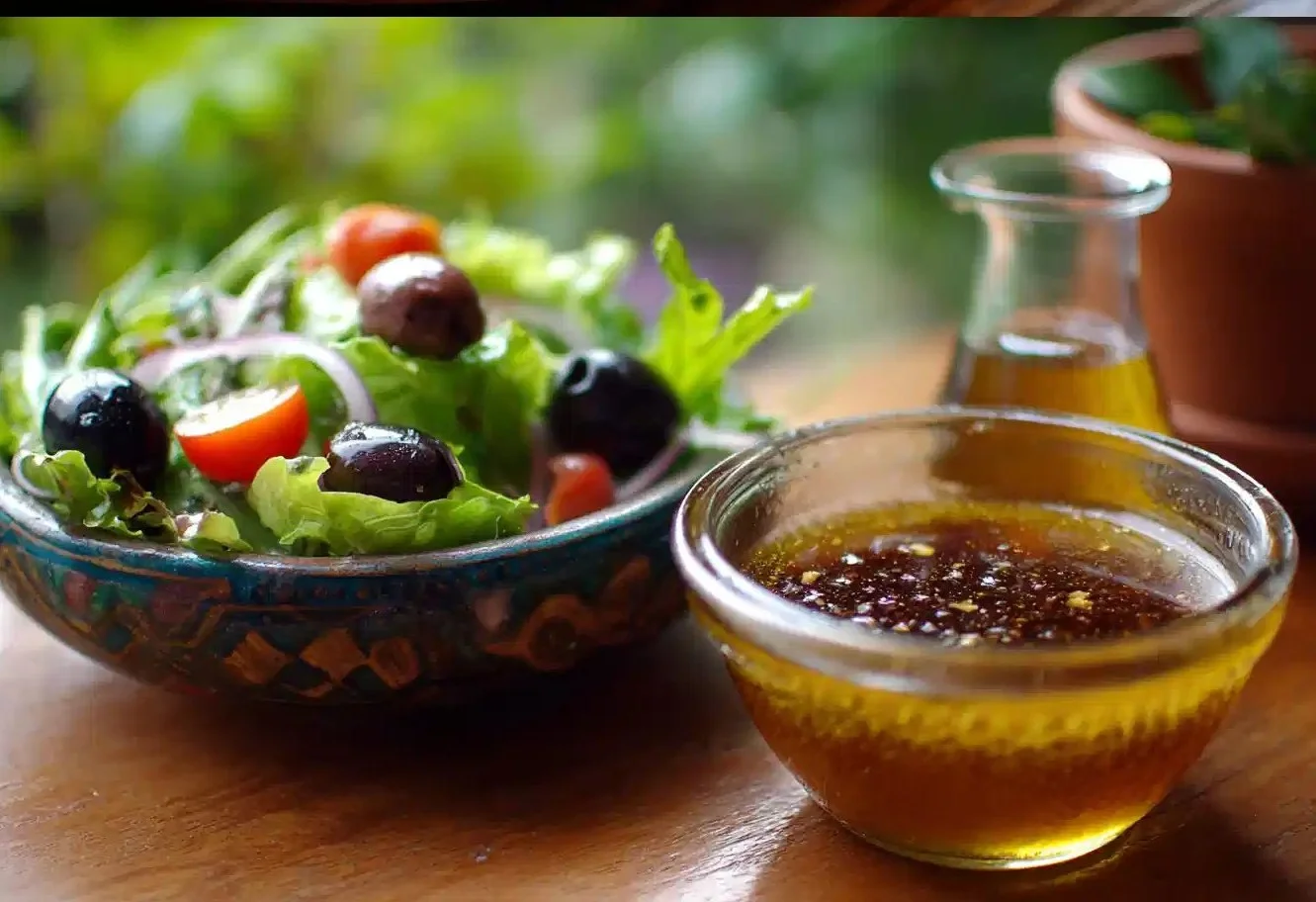
I remember my first attempt at making a fresh Salad Dressing to elevate a simple greens dish. With just a few ingredients, I hoped to transform my everyday salads into something deliciously memorable. The satisfaction of whisking together olive oil and vinegar, while experimenting with different flavor combinations, was nothing short of exhilarating. Not only did it enhance the freshness of the greens, but it also sparked a newfound love for homemade dressings. It became crystal clear: a flavorful Salad Dressing could be the highlight of any meal.
What is Salad Dressing
Salad Dressing is a culinary mixture used to enhance the flavor and texture of salads. It’s typically made from a combination of oils, acids, and various seasonings that work together to create a harmonious balance of flavors. Common ingredients in salad dressings include olive oil, vinegar, mustard, and fresh herbs. These components not only add flavor but can also improve the nutritional value of your meal. The versatility of salad dressings is one of their biggest draws, as they can be adjusted or enhanced to suit a wide array of tastes and dietary preferences.
With countless varieties available, from creamy ranch to zesty vinaigrette, salad dressing has become an essential part of many cuisines. Whether you’re looking to dress a simple mixed greens salad or drizzle over roasted vegetables, the right dressing can bring a dish to life in ways that are often surprising. Furthermore, making your own salad dressing allows you to control the ingredients and flavors, ensuring fresh, wholesome, and often healthier options compared to store-bought versions.
Why You’ll Love This Salad Dressing:
When it comes to salad dressing, homemade versions offer benefits that store-bought alternatives often can’t match. Here’s why you’ll love crafting this easy dressing at home:
- Quick and simple to prepare
- Family-friendly meal companion
- Great for beginners eager to explore cooking
- Customizable to suit personal preferences or dietary needs
- Fresher taste compared to packaged alternatives
- Cost-effective compared to buying specialty dressings
This simple yet flavorful dressing can easily elevate any salad or dish, providing you with a delicious and nutritious way to pack in flavors without overwhelming your ingredients. With a few basic components and a touch of creativity, the possibilities are endless.
Ingredients
To create a delightful Salad Dressing, you’ll need:
- 1/2 cup olive oil
- 1/4 cup vinegar (apple cider or white wine vinegar work well)
- 1 tablespoon mustard (Dijon is a popular choice)
- 1 tablespoon honey (or maple syrup for a vegan option)
- Salt, to taste
- Pepper, to taste
These ingredients come together to create a well-balanced dressing that’s perfect for a variety of salads. Feel free to adjust the proportions based on your flavor preferences or add herbs and spices to give your dressing a unique twist.
Step-by-Step Instructions for Salad Dressing
Creating your own Salad Dressing is incredibly straightforward. Here’s how to do it:
In a small bowl, combine the olive oil, vinegar, mustard, and honey. Use a whisk to mix the ingredients well. This ensures that the dressing is emulsified and combines evenly.
After combining the main ingredients, taste your dressing. Season with salt and pepper according to your preference. Adjusting these can dramatically change the final flavor, so taste-testing is key.
Once your dressing is seasoned to perfection, drizzle it over your favorite salad. Toss the greens to ensure that the dressing is evenly distributed across all the ingredients for a balanced taste experience.
This simple process allows you to enjoy a homemade dressing every time, adding freshness and flavor to your meals in mere minutes.
Pro Tips and Variations:
Crafting salad dressing opens up multiple avenues for experimentation. Here are some pro tips and variations you might enjoy:
- Herb Infusion: Add fresh herbs like basil, parsley, or cilantro to enhance flavor.
- Citrus Twist: Incorporate citrus juices, such as lemon or lime, for a zesty kick.
- Creamy Alternatives: Substitute some oil with yogurt or avocado for a creamier dressing.
- Fruitiness: Blend in some pureed fruits like strawberries or apples for a sweet touch.
- Spice It Up: For those who enjoy a bit of heat, a dash of red pepper flakes can bring your dressing to life.
Experimenting with your Salad Dressing allows you to customize it to suit any meal or palate. Feel free to play around with different ingredients until you find your perfect blend.
How to Serve Salad Dressing
There are countless ways to enjoy your homemade Salad Dressing. Here are some serving suggestions:
- On Fresh Salads: Naturally, your dressing shines on bed of greens, whether it’s a classic Caesar, a vibrant garden salad, or a simple mix of arugula and tomatoes.
- Marinade: Use it as a marinade for grilled chicken or vegetables, adding flavor before cooking.
- Dipping Sauce: Serve it as a dip for fresh vegetables, making healthy snacks feel indulgent.
- Pasta Dishes: Toss it with chilled pasta salads for a delightful cold dish that’s great for summer gatherings.
Every serving brings a fresh, vibrant flavor that enhances your meal while encouraging you to enjoy more greens and vegetables.
How to Store Salad Dressing
To keep your homemade Salad Dressing fresh, proper storage is essential. Here are some key tips:
- Refrigeration: Store leftover dressing in an airtight container in the refrigerator. It typically lasts for about a week, but always check for freshness before using.
- Separation is Normal: Since oil and vinegar separate over time, give it a good shake or stir before using.
- Freezing Options: For longer storage, you can freeze dressing in ice cube trays. Transfer to a freezer bag once frozen. Homemade dressings can last for a couple of months in the freezer, although fresh is always best.
By taking the time to store your dressing correctly, you’ll ensure that it remains flavorful and enjoyable for your next salad or dish.
Nutrition Information
Understanding the nutritional aspects of your Salad Dressing is helpful for those watching their diet. A standard serving (about 2 tablespoons) of this dressing contains approximately:
- Calories: 100-120
- Total Fat: 11-12g (mainly from olive oil)
- Sodium: 150-200mg (depending on added salt)
- Carbohydrates: 2-3g (mostly from honey)
- Protein: 0g
This dressing offers healthy fats while remaining low in carbohydrates, making it a great option for those seeking balance in their meals.
FAQs about Salad Dressing
Can I use different oils for Salad Dressing?
Absolutely! While olive oil is a classic choice, you can substitute it with avocado oil, sesame oil, or any other favorite oil you have on hand.
Is homemade Salad Dressing healthier than store-bought?
Generally, yes! Homemade dressings allow you to control the ingredients, making it easier to avoid preservatives, added sugars, and unhealthy fats often found in packaged options.
Can I make Salad Dressing in advance?
Certainly! You can prepare your dressing in advance and store it in the refrigerator for up to a week, allowing flavors to meld beautifully.
What can I add to my dressing to make it a bit thicker?
If you’re looking for a creamier texture, consider adding Greek yogurt, silken tofu, or even mashed avocados to your dressing base.
Conclusion
Creating your own Salad Dressing opens up a world of flavor possibilities while allowing you to practice culinary skills in the kitchen. With just a handful of ingredients, you can make a dressing that elevates simple greens into a dish packed with flavor. I encourage you to give this a try and share your experience. Whether you stick to the classic recipe or venture into creative variations, I hope you find joy in making your meals more vibrant and enjoyable. Your salads will definitely be better for it!