
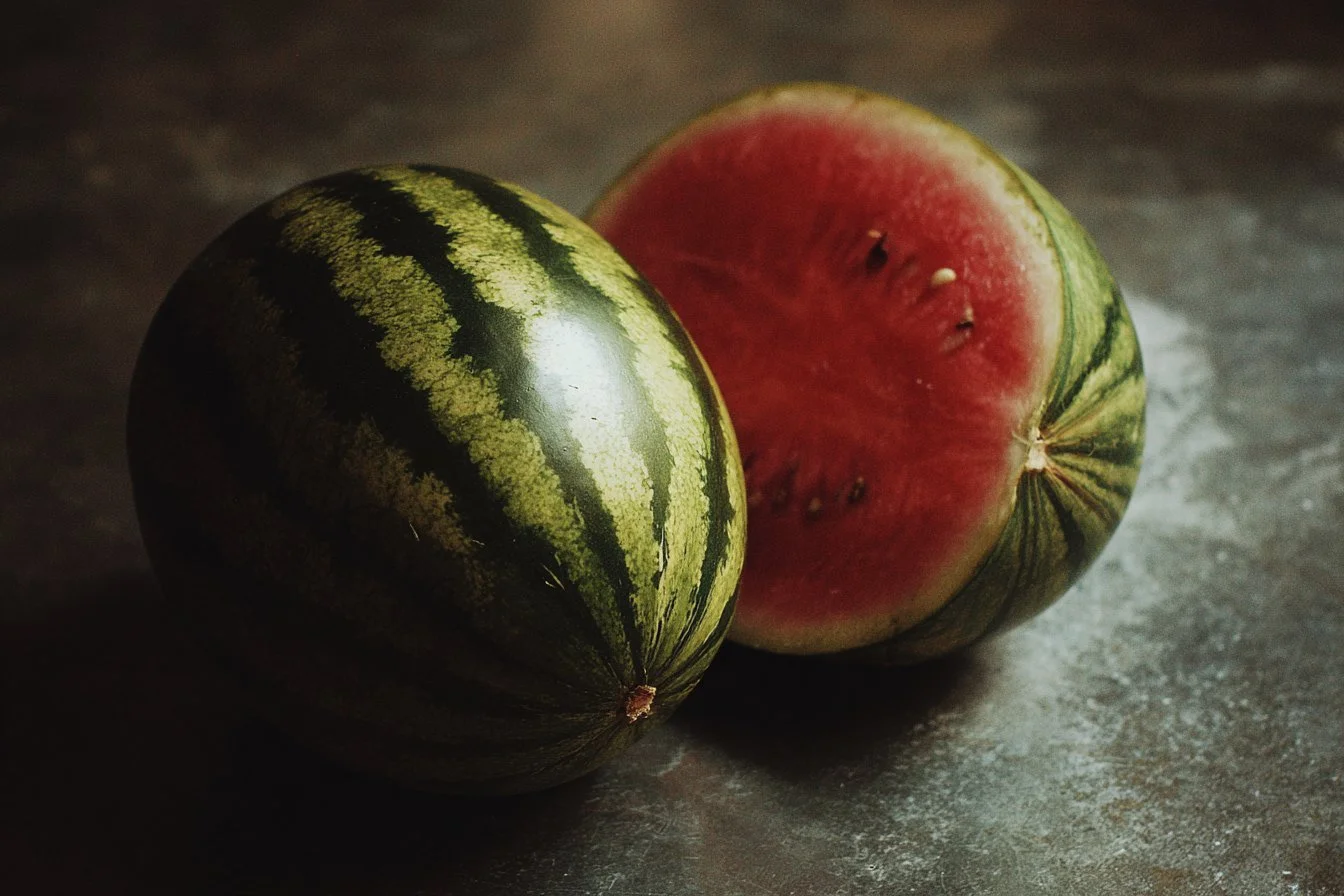
As I stood in the grocery store during peak summer, I couldn’t help but be drawn to the vibrant display of watermelons. Their green rinds glistened under the bright lights, promising juicy sweetness when sliced open. Yet, among all those melons, I found myself wondering, how to pick a watermelon that’s ripe and flavorful? It’s a skill that many seem to struggle with, and I was determined to find the juiciest gem amidst the choices. After some trial and error, I discovered some straightforward techniques that can ensure you select the best watermelon every time.
What is a Watermelon
Watermelon is a delicious, hydrating fruit, cherished globally for its refreshing taste, particularly in warmer months. Belonging to the Cucurbitaceae family, it’s more than just a snack; it’s rich in water, making it perfect for hydration. Typically round or oblong, with a smooth, hard rind, watermelons come in various sizes and shades, predominantly green. Inside, the flesh is juicy and sweet, with hues ranging from light pink to deep red, often dotted with black seeds or seedless varieties.
Besides being a delightful treat on hot days, watermelon also boasts several nutritional benefits. It’s low in calories and contains essential vitamins such as A and C, along with antioxidants. Eating watermelon not only satisfies your sweet cravings but also contributes to your daily water intake. This incredibly versatile fruit can be enjoyed alone or incorporated into salads, smoothies, and even savory dishes.
Why You’ll Love This Watermelon:
– **Refreshing and hydrating**: Perfect for hot days or post-exercise.
– **Versatile ingredient**: Suitable for salads, salsas, and smoothies.
– **Family-friendly**: Kids and adults alike enjoy this sweet treat.
– **Nutrient-rich**: Packed with vitamins, antioxidants, and hydration.
These aspects make watermelon not only a delectable choice for snacking but also a healthy addition to your meals, offering endless culinary possibilities.
Ingredients
To effectively select a watermelon that is ripe and ready to eat, there are a few key factors that matter more than others:
- Size: Look for a watermelon that feels heavy for its size; this often indicates juiciness.
- Shape: Choose a symmetrical watermelon without any dents, flat sides, or irregular bumps.
- Field Spot: Check for a creamy yellow spot on the watermelon; this is where it rested on the ground. A more pronounced yellow suggests ripeness.
- Sound Test: Gently tap the watermelon and listen for a deep, hollow sound, which indicates ripeness.
- Rind Quality: The skin should be firm and not overly shiny. A dull appearance can suggest it’s ripe.
With these ingredients of knowledge, you can approach the watermelon aisle confidently and make a great selection.
Step-by-Step Instructions for Picking a Watermelon
Assess the Size: Begin by picking up a few watermelons and comparing their weight. Choose one that feels heavier relative to its size.
Inspect the Shape: Look over the entire surface, ensuring it’s symmetrical. Avoid those with irregular shapes, as they often indicate uneven ripening.
Examine the Field Spot: Locate the spot on the watermelon that rested on the ground, known as the field spot. A lighter spot, ideally creamy yellow, is a promising sign of ripeness.
Conduct the Sound Test: With gentle yet firm taps using your fingers, listen closely. A hollow sound suggests ripeness, while a dull sound may indicate that it’s under ripe or overripe.
Check the Rind: Feel the surface of the watermelon. It should be smooth but not overly shiny. A matte finish often signifies that the watermelon is ripe.
Look for Sugar Lines: Some watermelons will have sugar lines, which are a vital sign of sweetness. These are web-like lines on the skin and indicate that the fruit has been well-pollinated and ripened naturally.
Employing these straightforward steps while watermelon shopping will significantly increase your chances of choosing a perfectly ripe melon.
Pro Tips and Variations:
Size Matters: While larger watermelons are enticing, sometimes smaller ones are sweeter and easier to handle. Consider the size you prefer based on your needs and the number of people you plan to serve.
Try Different Varieties: When picking, don’t just settle for the traditional red-fleshed watermelon. Explore yellow or pink varieties which can offer unique flavors.
Storage Smart: If you end up with a watermelon that isn’t quite ripe, store it at room temperature for a few days to help it sweeten. Keep an eye on ripeness indicators while you wait.
Experiment with Recipes: Watermelon is more than just a snack; consider grilling it or using it in a refreshing salad with feta cheese and mint.
Seek Quality in a Store: Always shop at places where watermelons are fresh and where produce is frequently rotated. Farmers’ markets often have the best picks.
These pro tips will not only help you select the right watermelon but also expand your culinary endeavors with this wonderful fruit.
How to Serve Watermelon
Watermelon can be enjoyed in an array of delightful ways:
- Chilled Slices: On a hot day, simply cutting the watermelon into wedges and chilling them is a classic way to serve.
- Fruit Salad: Cube watermelon and add it to a fruit salad with berries, bananas, and a squeeze of lime for a delicious twist.
- Grilled Watermelon: For a unique flavor, slice the watermelon into thick slabs, grill for a few minutes, and serve with a sprinkle of salt and olive oil.
- Smoothies: Blend watermelon cubes with yogurt and a splash of orange juice for a refreshing smoothie.
- Salads: Mix watermelon with feta cheese, fresh mint, and a drizzle of balsamic glaze for an impressive salad.
These serving suggestions highlight the versatility of watermelon, making it suitable for casual gatherings or elegant get-togethers.
How to Store Watermelon
Proper storage of watermelon can ensure that it stays fresh and tasty. Here are some helpful guidelines:
Whole Watermelon: Keep it at room temperature for up to a week. Ensure it’s away from direct sunlight and ideally in a cool place.
Cut Watermelon: Once sliced, wrap the pieces tightly in plastic wrap or store them in an airtight container in the refrigerator. Cut watermelon will remain fresh for about 3 to 5 days.
Freezing: For long-term storage, watermelon can be frozen. Cut it into cubes and place them in freezer-safe bags. It’s perfect for smoothies or icy treats and can last up to 6 months in the freezer.
Thawing: When you’re ready to enjoy frozen watermelon, simply let it thaw in the refrigerator for several hours. Note, frozen watermelon tends to become mushy, so it is best used in drinks or smoothies.
Following these storage tips can help preserve the freshness and flavor of your watermelon, allowing you to enjoy it longer.
Nutrition Information
Watermelon is not just refreshing; it’s also nutritious, making it a guilt-free snack. One cup of diced watermelon (about 152 grams) contains:
- Calories: 46
- Carbohydrates: 11.5 grams
- Sugars: 9.4 grams
- Fiber: 0.4 grams
- Protein: 0.9 grams
- Fat: 0.2 grams
- Vitamin C: 21% of the Daily Value
- Vitamin A: 18% of the Daily Value
These nutritional benefits make watermelon a great choice for hydration, weight management, and as a refresher during hot weather.
FAQs about Picking a Watermelon
How can I tell if a watermelon is ripe?
Look for a heavyweight watermelon with a yellow spot and a hollow sound when tapped.What does the field spot indicate?
A creamy yellow spot indicates ripeness, while a white or green spot may mean the watermelon is under ripe.Can I pick a watermelon with a dent or bruising?
It’s best to avoid watermelons with dents, bruises, or cracks, as they may be signs of overripeness or damage.Is it better to choose organic or conventional watermelons?
Organic watermelons are free from synthetic pesticides and fertilizers. If concerned about chemicals, consider choosing organic.
Conclusion
Selecting a watermelon can be an enjoyable and rewarding experience, especially when you know the right steps to take. By understanding how to pick a watermelon effectively, you elevate your chances of enjoying its delightful taste and health benefits. I encourage you to try these tips on your next grocery trip and savor the joy of biting into that perfectly sweet and juicy fruit. Share your experiences with friends and family, and hopefully, you’ll inspire them to pick the best watermelons too!