
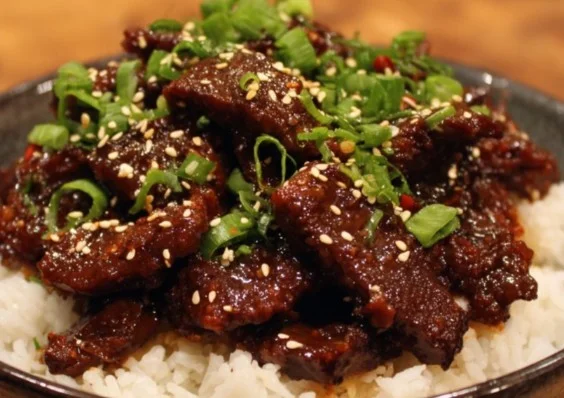
When I first discovered Mongolian beef, it was during a cozy date night at a local Asian restaurant. The moment I took my first bite, I was enchanted by the sweet, savory flavor and the tender strips of beef coated in a rich sauce. The mix of garlic, ginger, and green onions added a burst of freshness that balanced the dish beautifully. I remember thinking that this was more than just a meal; it was a delightful experience that I wanted to recreate in my own kitchen. That’s why I embarked on a culinary adventure to learn how to make Mongolian beef at home, and let me tell you, it’s simpler than you might think. Just a few ingredients can transform an ordinary evening into something special.
What is Mongolian Beef
Mongolian beef is a popular dish in Chinese-American cuisine. It typically consists of tender slices of flank steak that are stir-fried with a savory sauce made from soy sauce, brown sugar, and aromatics like garlic and ginger. The dish is often garnished with green onions, which add a fresh crunch. Unlike traditional Mongolian cuisine, which is quite different, this dish embodies a sweet and savory flavor profile that has made it a fan favorite.
While the name might suggest connections to Mongolia, the dish is primarily an Asian innovation that resonates with Western tastes. It is not only incredibly delicious but also versatile, allowing for various adaptations and personalization depending on your dietary preferences.
Why You’ll Love This Mongolian Beef:
There are several reasons to fall in love with Mongolian beef. Here are a few that stand out:
- Quick and simple to prepare
- Family-friendly meal that appeals to various age groups
- Great for beginners, requiring only a few basic cooking techniques
- Perfect for busy weeknights or special occasions
- Can be paired with different sides to suit your palate
Not only is Mongolian beef satisfying, but it also allows for creativity in the kitchen. You can tweak the spice levels, add vegetables like bell peppers or broccoli, or opt for low-sodium soy sauce if you prefer. This makes it a fantastic choice for anyone looking to whip up a wholesome meal without a lot of fuss.
Ingredients
– 1 lb flank steak, sliced against the grain
– 1/4 cup cornstarch
– 2 tablespoons vegetable oil
– 3 green onions, sliced
– 3 cloves garlic, minced
– 1/2 teaspoon ginger, grated
– 1/2 cup soy sauce
– 1/2 cup brown sugar
– 1/2 teaspoon red pepper flakes (optional)
These ingredients come together to create a symphony of flavors that is both comforting and exciting. Flank steak is preferred for its tenderness and flavor when cooked quickly, making it the star of this dish. The simple combination of soy sauce and brown sugar creates a sweet glaze that complements the savory beef beautifully.
Step-by-Step Instructions Mongolian Beef
1. Start by tossing the sliced beef with cornstarch in a bowl until each piece is coated evenly. This helps create a nice crust when frying.
2. Heat the vegetable oil in a large pan over medium-high heat. Once hot, add the beef in batches and cook until browned on all sides. Remove the beef from the pan and set it aside.
3. Using the same pan, add the sliced green onions, minced garlic, and grated ginger. Sauté for about 1 minute until fragrant.
4. In a separate bowl, mix together the soy sauce, brown sugar, and red pepper flakes if you like some heat. Pour this mixture into the pan and bring it to a simmer.
5. Return the beef to the pan and toss everything together until the beef is well coated in the sauce. Cook for an additional 2-3 minutes until heated through.
6. Serve hot over steamed rice or noodles for a complete meal.
This straightforward method ensures that each step enhances the final flavor, with minimal fuss. If you pay attention to cooking times, you’ll have a tender and flavorful dish that will impress your family and friends.
Pro Tips and Variations:
To elevate your Mongolian beef experience, consider these pro tips and variations:
– For a crispy texture, you can pan-fry the beef separately before adding it to the sauce.
– Substitute flank steak with chicken or tofu for different protein options.
– Adding vegetables like bell peppers, carrots, or snap peas can introduce extra nutrients and color to the dish.
– Serve with steamed jasmine rice or fried rice to absorb the delicious sauce.
– To make it gluten-free, use tamari instead of soy sauce and check for cornstarch that meets your dietary needs.
These options allow you to customize the dish according to your preferences or dietary restrictions, making it a versatile addition to your cooking repertoire.
How to Serve Mongolian Beef
Mongolian beef is best served hot and fresh for maximum flavor and texture. Here are some serving ideas:
– Pair it with steamed jasmine rice or brown rice to soak up the savory sauce.
– Consider serving it alongside stir-fried vegetables for a well-rounded meal that includes nutrients and vibrant colors.
– Offer a side of egg rolls or dumplings, which make for delightful appetizers.
– A fresh garden salad can provide a nice crunch and balance the richness of the beef.
– For a different twist, serve it over a bed of noodles, like udon or soba, for an Asian-inspired pasta dish.
Each of these options complements the sweet, savory flavor palette of Mongolian beef and enhances your dining experience.
How to Store Mongolian Beef
If you have leftovers, storing Mongolian beef is quick and straightforward. Allow it to cool before transferring it to an airtight container. It can be stored in the refrigerator for up to 3-4 days. For long-term storage, consider freezing the dish. In that case, place it in a freezer-safe container and it will stay good for up to three months.
When you’re ready to enjoy your leftovers, reheating is easy. You can do this on the stovetop over low heat, adding a splash of water or more soy sauce to prevent it from drying out. Microwave heating is also an option; just cover the dish to lock in moisture.
Nutrition Information
While specific nutritional values can vary based on ingredients and portion sizes, a typical serving of Mongolian beef generally contains the following estimated nutritional information:
– Calories: Approximately 350-450
– Protein: About 30-40 grams
– Carbohydrates: Around 30-40 grams
– Fat: Approximately 15-25 grams
It’s always recommended to adjust ingredients and serving sizes to fit your nutritional needs. Incorporating vegetables can boost vitamins and minerals, making for a healthier dish.
FAQs Mongolian Beef
1. **Can I make Mongolian beef ahead of time?**
Yes, you can prepare the beef and create the sauce ahead of time. Store them separately and combine them when ready to serve.
What’s the best kind of beef to use for Mongolian beef?
Flank steak is commonly used for its tenderness when cooked quickly, but you can also substitute it with sirloin or skirt steak.Can I make this dish vegetarian or vegan?
Absolutely! You can replace the beef with tofu or seitan, and use a plant-based soy sauce or tamari for a vegan option.Is Mongolian beef spicy?
The traditional recipe is not very spicy, but you can adjust the amount of red pepper flakes or omit them entirely if you prefer a milder flavor.
Conclusion
Mongolian beef is not just a dish; it’s a delightful way to bring comfort and flavor to your table. With its quick preparation and adaptability, it makes for an impressive meal that can cater to anyone’s taste. Whether you’re a seasoned cook or just starting out, trying out this recipe is bound to add a fun and flavorsome touch to your culinary adventures. Give this Mongolian beef recipe a try, and I would love to hear about your experience and any variations you create!