
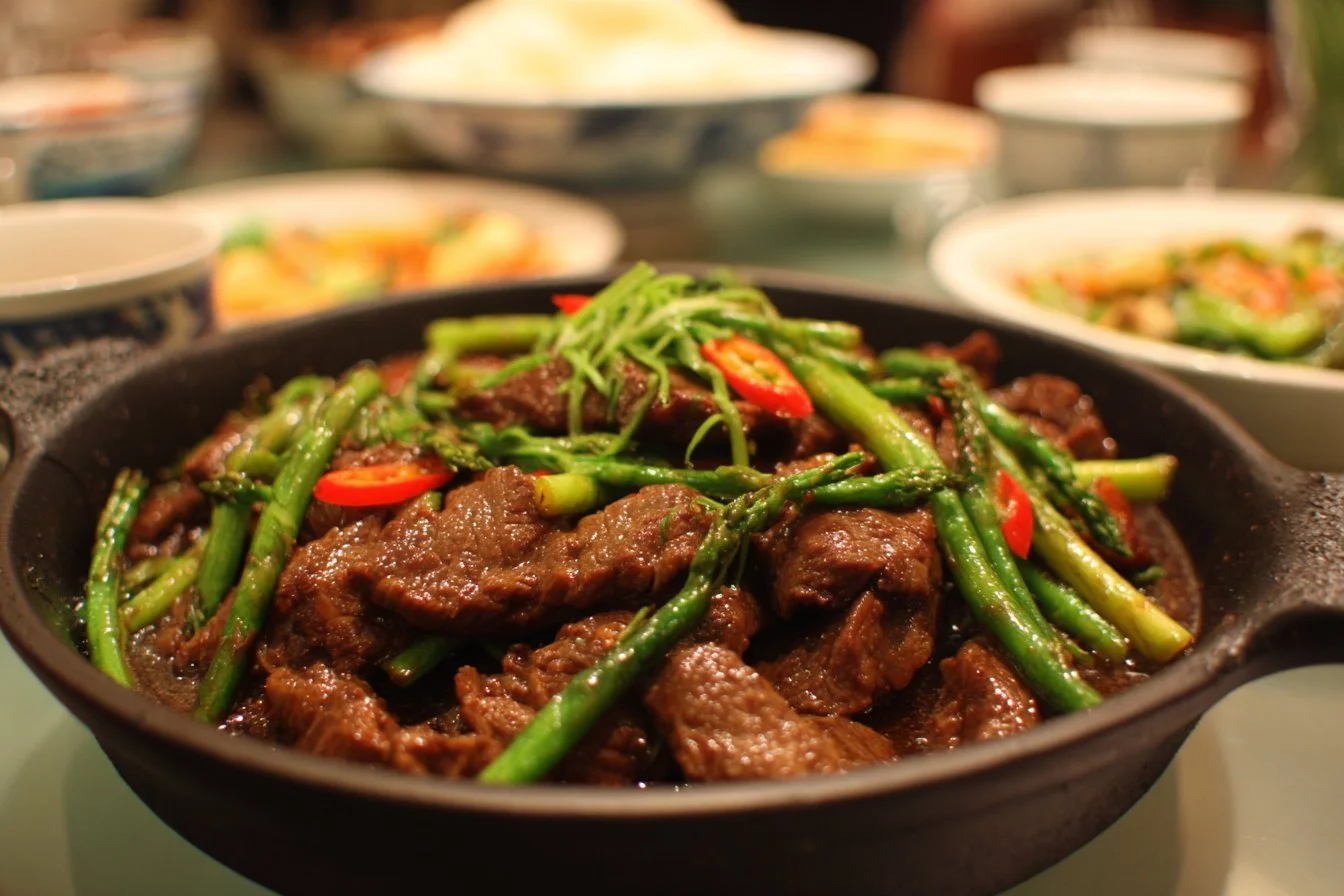
I still remember the first time I tried Beijing Beef at a local Chinese restaurant. The crispy beef combined with tender vegetables in a tangy, flavor-packed sauce instantly captivated me. I found myself returning to savor this delightful dish again and again. There’s something uniquely satisfying about the balance between sweetness and soy that delivers a comforting yet exciting meal. Whether it’s for a busy weeknight dinner or a gathering with friends, Beijing Beef is sure to impress anyone who tries it. Let’s break down the essentials of this dish and why it’s worth making at home.
What is Beijing Beef
Beijing Beef is a popular dish that showcases tender beef, colorful vegetables, and a deliciously sweet and savory glaze. It is often enjoyed in Chinese-American cuisine, featuring crispy beef strips stir-fried with vibrant vegetables like bell peppers and broccoli. Traditionally, this dish consists of marinated beef that is sautéed until crispy and then coated in a flavorful sauce made from soy sauce, hoisin sauce, and a dash of sesame oil.
The dish is not only delicious but also highly customizable, allowing for personal twists based on taste preferences or dietary needs. Whether you choose to throw in extra vegetables or adjust the level of sweetness, Beijing Beef remains versatile and approachable, making it a favorite for home cooks of all skill levels.
Why You’ll Love This Beijing Beef:
There are several compelling reasons to try making Beijing Beef at home:
– Quick and simple to prepare
– Family-friendly meal with plenty of flavor
– Great for beginners and experienced cooks alike
– Can be easily customized with your favorite veggies
– Perfect as a hearty main dish or served over rice
This meal captures the essence of Chinese cooking while remaining accessible for anyone wanting to enjoy a home-cooked meal. With minimal prep time and clean-up, it’s a fantastic option for busy weeknights or intimate dinner parties.
Ingredients
– 1 lb beef sirloin, thinly sliced
– 1 cup broccoli florets
– 1 red bell pepper, sliced
– 1/2 onion, sliced
– 3 cloves garlic, minced
– 1 inch ginger, minced
– 1/4 cup soy sauce
– 2 tbsp hoisin sauce
– 1 tbsp cornstarch
– 2 tbsp vegetable oil
– Salt and pepper to taste
Each ingredient plays a crucial role in building the flavors of Beijing Beef, from the savory soy sauce to the freshness of vegetables.
Step-by-Step Instructions Beijing Beef
1. In a bowl, combine the beef sirloin, soy sauce, and cornstarch. Mix well and let it marinate for 15 minutes to enhance the flavors.
2. Heat the vegetable oil in a large pan over medium-high heat. This helps achieve the desired crispiness of the beef.
3. Add the marinated beef to the pan and cook until browned, approximately 3-4 minutes. Once browned, remove the beef from the pan and set it aside.
4. In the same pan, add the minced garlic, ginger, sliced onion, and bell pepper. Sauté for about 3 minutes until the vegetables are soft but still vibrant.
5. Stir in the broccoli and continue cooking for another 2-3 minutes, adding color and nutrition to the dish.
6. Return the cooked beef to the pan, add the hoisin sauce, and stir to combine everything evenly. Cook for an additional minute to allow the flavors to meld together.
7. Adjust seasoning with salt and pepper to taste and serve hot.
Following these straightforward steps ensures a delicious outcome with every preparation.
Pro Tips and Variations:
To make your Beijing Beef experience even better, consider these tips:
– **Marinating Time**: Allow the beef to marinate for longer than 15 minutes if you have time; this enhances the flavor even more.
– **Vegetable Options**: Don’t hesitate to experiment with different vegetables like snap peas, carrots, or mushrooms to keep the dish exciting.
– **Heat Factor**: If you enjoy a little spice, add some red pepper flakes or sliced chili peppers when cooking the vegetables.
– **Low-Sodium Version**: Substitute low-sodium soy sauce to control the sodium content without compromising too much on flavor.
– **Serving Variations**: For a low-carb approach, serve the stir-fry over cauliflower rice rather than traditional rice.
These adjustments can cater to different tastes and dietary needs, ensuring that everyone can enjoy this dish.
How to Serve Beijing Beef
Serving Beijing Beef can elevate your meal even further. Here are a few serving suggestions:
– Serve over a bed of fluffy steamed jasmine rice or brown rice for a hearty meal.
– Pair with a side of stir-fried noodles for added texture and flavors.
– Include a fresh salad or steamed dumplings on the side to balance the richness of the beef.
– Garnish with sesame seeds and sliced green onions for an attractive finish.
These options not only enhance the meal presentation but also create a satisfying dining experience.
How to Store Beijing Beef
Storing leftovers properly can help maintain the flavors and texture of Beijing Beef. Here’s how:
– **Fridge**: Place any leftover Beijing Beef in an airtight container in the refrigerator. It should stay fresh for up to 3 days.
– **Freezer**: For longer storage, you can freeze the dish in a freezer-safe container for up to 2 months.
– **Reheating**: To reheat, simply place the beef in a pan over medium heat until warmed through. Adding a splash of water or broth can help revive the sauce’s original consistency without drying it out.
These storage solutions ensure that you can enjoy your flavorful dish even after the main meal.
Nutrition Information
While enjoying Beijing Beef, being mindful of nutritional content is essential. Here’s a general breakdown per serving:
– Calories: Approximately 350
– Protein: 30g
– Carbohydrates: 20g
– Dietary Fiber: 3g
– Total Fat: 15g
The nutritional values may vary based on the exact ingredients and portions used, but this dish is generally a balanced option, delivering protein and veggies in one mouthwatering package.
FAQs Beijing Beef
– **Can I use chicken or tofu instead of beef?**
Absolutely! Chicken breast or tofu can be substituted for a different protein option. Adjust cook time accordingly based on your choice.
Is this dish gluten-free?
To make this dish gluten-free, swap regular soy sauce for gluten-free alternatives like tamari sauce.Can I make this recipe ahead of time?
Yes, you can prep the veggies and marinate the beef a day in advance, helping streamline dinner preparation.What can I pair with it for a complete meal?
Pairing Beijing Beef with fried rice, egg rolls, or a side of steamed bok choy works wonderfully to create a well-rounded meal.
Conclusion
Beijing Beef is not just another stir-fry; it’s a vibrant blend of flavors and textures that can elevate any meal. With straightforward ingredients and easy preparation, anyone can bring this dish to life in their kitchen. Why not give it a try? Share your experience and any unique twists you might incorporate. Enjoy the process and the delicious outcome!