
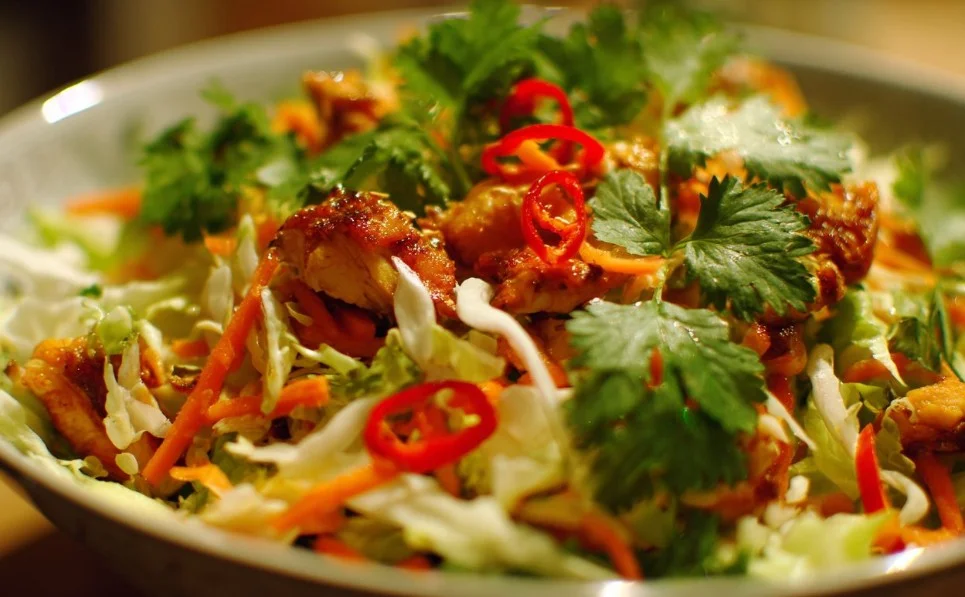
During a recent gathering, a friend brought an Asian salad that was a delightful surprise. It wasn’t just a bowl of greens; it was a vibrant showcase of color and flavor that caught everyone’s attention. Fresh, crunchy textures mingled with a tangy dressing that perfectly complemented the ingredients. As I took my first bite, I realized that not only did it taste amazing, but it also felt light and invigorating. This experience led me to explore the wonders of Asian salads further, unearthing a world of flavors that I couldn’t wait to recreate at home. That’s the beauty of an Asian salad; it’s not just a dish—it’s a culinary adventure that combines fresh vegetables, bold flavors, and enticing textures.
What is Asian Salad
Asian salad typically features a colorful mix of crisp vegetables, often combined with ingredients like tofu, grilled chicken, or shrimp, and dressed in a flavorful dressing that may include soy sauce, sesame oil, and rice vinegar. The roots of this salad can be found in various Asian cuisines, celebrating vibrant flavors and showcasing seasonal ingredients. The salads can range from light and refreshing to hearty and filling, appealing to a wide array of dietary preferences. Whether served as a starter or a main dish, an Asian salad is versatile enough to suit any occasion.
Why You’ll Love This Asian Salad:
Making an Asian salad can become a favorite kitchen ritual for several reasons.
- Quick and simple to prepare
- Family-friendly meal
- Great for beginners
- Versatile; suitable for various dietary needs
- Nutrient-rich with a variety of vegetables
- Perfect for meal prep or gatherings
- Easy to customize with your favorite proteins or toppings
This salad allows for creativity, encouraging you to mix different ingredients that appeal to your taste buds. Additionally, its balance of flavors provides satisfaction without overwhelming heaviness, making it an ideal choice for lunch, dinner, or as a side dish.
Ingredients
To create this delightful Asian salad, gather the following ingredients:
– 2 cups mixed greens
– 1 cup shredded carrots
– 1 cup red cabbage, thinly sliced
– 1/2 cup cucumber, sliced
– 1/2 cup red bell pepper, sliced
– 1/4 cup green onions, chopped
– 1/4 cup fresh cilantro, chopped
– 1/4 cup roasted peanuts or cashews
– 1/4 cup rice vinegar
– 2 tablespoons soy sauce
– 1 tablespoon sesame oil
– 1 tablespoon honey
– 1 teaspoon grated ginger
Choose fresh, vibrant vegetables for the best quality salad, and consider adding proteins like grilled chicken or tofu for extra heartiness.
Step-by-Step Instructions for Asian Salad
Creating this Asian salad is straightforward and enjoyable. Follow these easy steps:
In a large bowl, combine the mixed greens, shredded carrots, red cabbage, cucumber, red bell pepper, green onions, and cilantro. Toss gently to mix the vegetables evenly.
In a separate bowl, whisk together the rice vinegar, soy sauce, sesame oil, honey, and grated ginger until well combined. This dressing will enhance the flavors of your salad beautifully.
Pour the dressing over the salad and toss to combine. Ensure that all vegetables are coated with the dressing to maximize flavor.
Just before serving, top the salad with roasted peanuts or cashews. This not only adds a delightful crunch but also enhances the overall flavor profile with nutty undertones.
This fresh and vibrant salad is ready to be enjoyed, perfect for any occasion.
Pro Tips and Variations:
Here are some insightful tips to enhance your Asian salad experience:
- Add Protein: For a heartier meal, consider adding grilled chicken, shrimp, or diced tofu.
- Substitutions: Replace mixed greens with spinach or kale for a nutrient boost. You can also swap out veggies depending on the season—sugar snap peas or mango could be a sweet twist.
- Vegan Option: Substitute honey with maple syrup or agave syrup for a vegan version of the dressing.
- Spice it Up: If you enjoy a bit of heat, add some sliced chili peppers or a dash of sriracha to the dressing.
- Make it Ahead: Prepare dressing separately to avoid soggy greens if you’re making the salad ahead of time. This way, you can combine everything just before serving.
Feel free to express your culinary creativity with this recipe, making it your own!
How to Serve Asian Salad
Asian salad can be versatile in its presentation:
- As a Side: Pair it with grilled meats or seafood for a complete meal.
- Standalone Dish: Serve it as a light lunch option, especially during warmer months.
- With Rice or Noodles: You could serve this salad over a bed of rice or alongside cold noodles for an Asian-inspired feast.
- In a Wrap: Consider using the salad as a filling in rice paper wraps, adding an exciting twist to lunch or dinner.
Each suggestion opens the door to new flavors and experiences, making your meal more enjoyable.
How to Store Asian Salad
If you’re lucky enough to have leftovers, storing your Asian salad properly is essential:
- In the Fridge: Store in an airtight container for up to three days. The freshness of the vegetables can diminish, so it is best to consume it soon after preparation.
- Separate the Dressing: For optimal texture, keep the dressing separate until ready to eat. This prevents the greens from wilting.
- Refrigerate for Best Results: Keep your salad at a cool temperature. When ready to serve, mix the salad with the dressing just before eating for a fresh taste.
Proper storage ensures that you can enjoy the delightful flavors of your Asian salad even days later without compromising its quality.
Nutrition Information
This Asian salad is not only flavorful but also packed with nutrients. Here’s a brief overview of what you can expect from a serving:
- Calories: Approximately 150-200 calories (varies based on added proteins)
- Total Fat: 8-10 grams (mainly from nuts and sesame oil)
- Carbohydrates: About 15-20 grams (primarily from vegetables and honey)
- Protein: 4-10 grams (depending on additional proteins added)
The high fiber content from the vegetables helps promote digestive health, while the array of vitamins and minerals supports overall well-being.
FAQs about Asian Salad
1. **Can I make this salad ahead of time?**
Yes, prepare the salad ingredients and store them separately from the dressing to maintain freshness. Combine just before serving.
What other vegetables can I add?
Feel free to add vegetables like radishes, edamame, or snap peas for extra crunch and flavor.Is this salad gluten-free?
To make it gluten-free, ensure that you use a certified gluten-free soy sauce.How can I make it more filling?
Adding grilled chicken, shrimp, or tofu turns this salad into a satisfying main dish.
Conclusion
This Asian salad is more than just a meal; it’s an exploration of fresh ingredients and bold flavors that can elevate any dining experience. With its simple preparation, numerous variations, and vibrant presentation, it’s a dish everyone should try. So, give this recipe a go, and don’t hesitate to share your thoughts and variations! Your culinary creativity could inspire someone else on their journey towards a refreshing meal.