
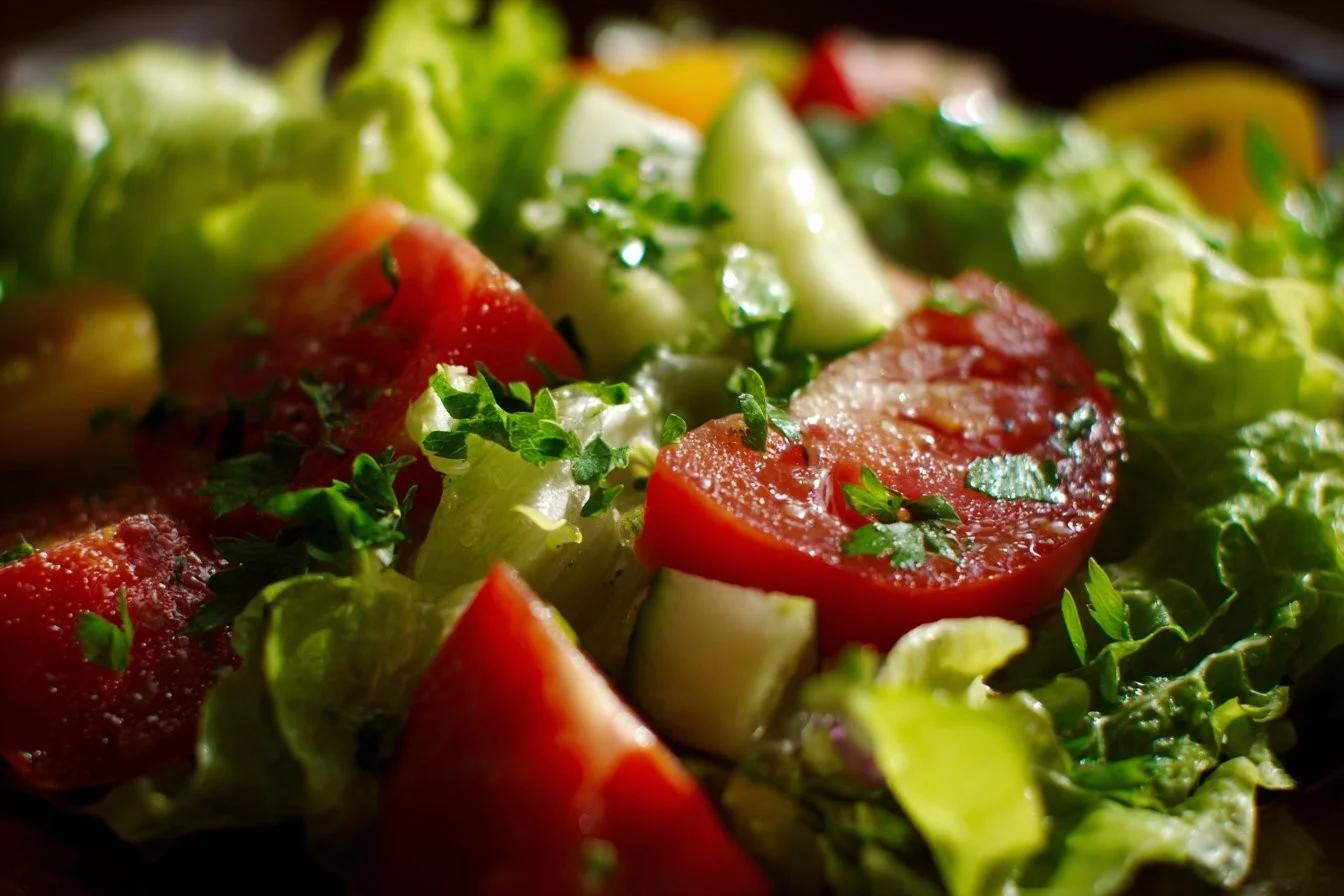
I remember the summer picnic when I first realized just how versatile salads can be. We laid out an array of colorful ingredients—crisp greens, vibrant tomatoes, crunchy cucumbers, and zesty dressings. Each bite was a burst of freshness and flavor that seemed to reflect the brightness of the day. It was then that I understood the endless salad ideas out there, which can turn a simple meal into something truly delightful. Salads are not just a side dish; they can be the star of the show, providing nourishment and excitement in every forkful.
What is Salad?
Salad is a dish consisting of a mixture of various ingredients, usually featuring vegetables, fruits, grains, or proteins, dressed with a flavorful sauce or dressing. While salads often evoke thoughts of lettuce and tomatoes, they can take many forms, from light and refreshing to hearty and filling. Some common types include green salads, fruit salads, pasta salads, and grain salads. They’re enjoyed worldwide in countless variations, each reflecting local culinary traditions and seasonal ingredients. This adaptability makes salads an essential part of any diet, catering to a wide range of flavors and dietary preferences.
Why You’ll Love This Salad:
This salad is not only fresh and appealing but also packed with nutrients and flavor. Here are some reasons you’ll fall in love with it:
– Quick and simple to prepare
– Family-friendly meal that suits all tastes
– Great for beginners, requiring just basic kitchen skills
– Versatile, allowing for endless customizations
– Perfect for any occasion, from casual lunch to festive gatherings
Ingredients
To create a refreshing and satisfying salad, gather these ingredients:
– Mixed greens for a crisp base
– Cherry tomatoes for sweetness
– Cucumber for crunch
– Red onion for a hint of flavor
– Carrots for a touch of earthiness
– Olive oil for a healthy dressing option
– Vinegar (such as balsamic or apple cider) to enhance flavor
– Salt and pepper to taste
Step-by-Step Instructions to Make Salad
1. In a large bowl, combine an ample amount of mixed greens with roughly chopped cherry tomatoes and sliced cucumber for texture. Thinly slice a small red onion and shred a couple of carrots, adding them to the mixture for color and depth.
2. In a separate bowl, whisk together about three tablespoons of olive oil and one tablespoon of vinegar along with a pinch of salt and pepper. This will create a light dressing to enhance the flavors of the salad.
3. Pour the dressing over the salad ingredients in the large bowl. Gently toss everything together to ensure an even coating without bruising the greens.
4. Serve the salad immediately for the best flavor and texture, or allow it to chill in the refrigerator for a few minutes to let the flavors meld.
Pro Tips and Variations:
– For added protein, consider incorporating grilled chicken, chickpeas, or feta cheese into the mix.
– Experiment with additional toppings like nuts, seeds, or dried fruits to elevate the taste and texture.
– Swap out dressings based on your mood; a creamy dressing or vinaigrette can completely change the salad experience.
– Use seasonal vegetables to keep your salads fresh and inviting; think asparagus in spring or roasted beets in fall.
How to Serve Salad
Salad can be enjoyed on its own as a light meal or paired with other dishes. Here are a few serving ideas:
– Serve it alongside grilled fish or chicken for a well-rounded dinner.
– Pile it high on a sandwich for a nutritious twist.
– Use it as a bed for hearty dishes, such as roasted vegetables or quinoa.
– Garnish with fresh herbs like cilantro or basil to add an aromatic touch.
How to Store Salad
To store leftover salad, place it in an airtight container in the fridge. It is best consumed within one to two days for optimal freshness. If you have dressed the salad, it may become wilted, so consider storing the dressing separately and combining it just before serving. For those who want to enjoy leftovers later, you can safely freeze the components of the salad, excluding delicate greens, and thaw them before serving.
Nutrition Information
Salads can be packed with a range of nutrients depending on the ingredients. This salad, rich in veggies, supplies antioxidants, vitamins, and minerals.
– A serving of this salad generally contains low calories, making it a great choice for a light meal.
– It is high in dietary fiber, promoting digestive health.
– The olive oil adds healthy fats, which are beneficial for heart health.
FAQs about Salad
**Q: Can I prepare this salad ahead of time?**
A: Yes, you can prep the vegetables in advance but keep the dressing separate until you’re ready to serve to maintain freshness.
Q: What type of vinegar works best for dressing?
A: Balsamic, red wine, or apple cider vinegar are great options; choose one based on your flavor preference.
Q: Is it possible to make a salad vegan-friendly?
A: Absolutely! Simply omit any dairy or animal products, such as cheese or honey, and use a plant-based dressing.
Q: How do I add more flavor to my salad?
A: Include fresh herbs, spices, or nuts for added texture and flavor. Experimenting with different dressings can also make a significant difference.
Conclusion
By giving this salad a try, you’re not just creating a dish—you’re inviting a world of flavors and nutrients onto your plate. The balance of freshness from the vegetables and the tangy dressing makes it a delightful choice for any meal. If you enjoyed this salad, please share your experience and any variations you’ve tried! Your journey into the world of salad ideas can lead to endless delicious possibilities.