
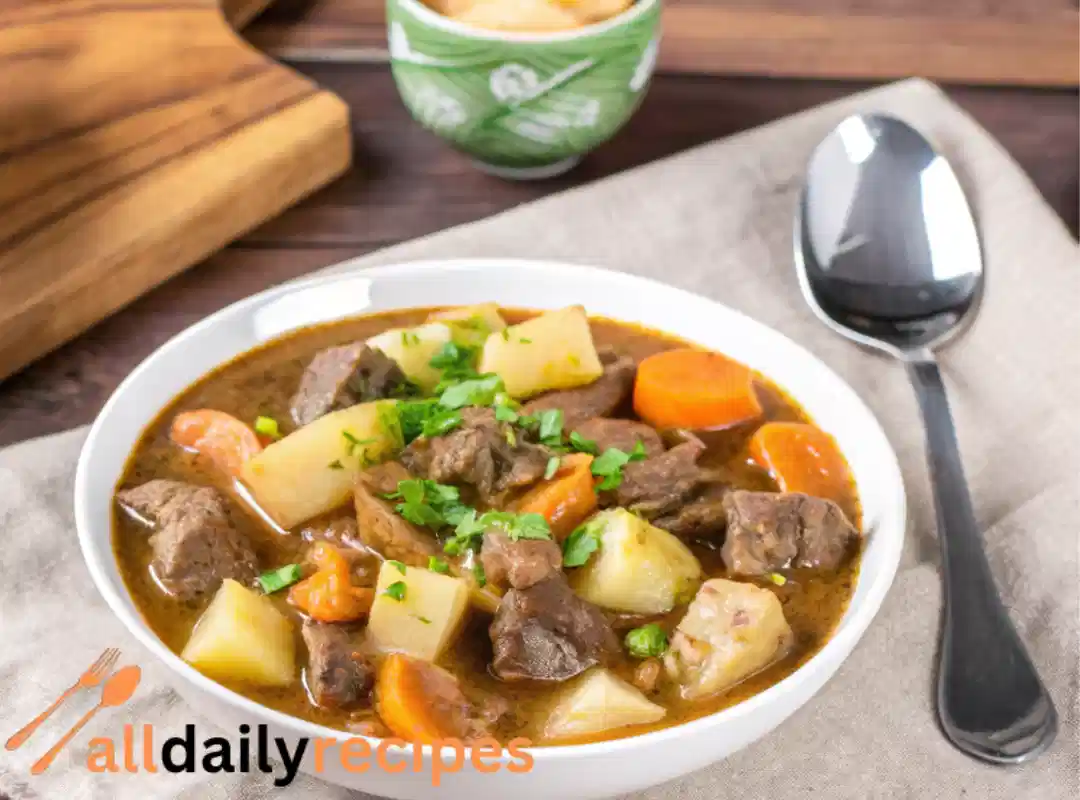
There are nights when dinner needs to feel like a hug. That’s exactly what easy beef stew does warm, familiar, and low drama. Here’s the twist: you’ll get two routes in one recipe. The weeknight path skips browning and leans on pantry boosters for depth; the weekend path adds a quick sear and a splash of wine for extra oomph. Same shopping list, same Dutch oven, different energy. And let’s be honest some nights you want a one-pot, mostly hands-off simmer while you answer life, work, or that group chat.
If your fridge holds carrots, celery, and an onion, you’re 70% there. Chuck roast is our workhorse affordable, deeply beefy when braised, and forgiving if you’re multitasking. Prefer appliances? We’ll map instant weeknight dinner results with Instant Pot and slow cooker adaptations, too. BTW, we’ll keep sodium sane even with store-bought stock, and we’ll show a potato workaround so leftovers freeze like a dream. I’m slightly biased toward the seared route (Maillard magic), but I also love the “dump-and-simmer” honesty of a true weeknight stew.
Here’s the promise: we’ll move fast without cutting corners that matter. We’ll thicken properly (flour, slurry, or reduction), tame a salty broth, and nurse tough cubes into spoon-tender bites. We’ll talk umami (tomato paste, Worcestershire, optional anchovy/soy, even gelatin), but we’ll also admit when “good enough” is perfect for a Tuesday. By the end, you’ll know when to skip browning, when to sear, and how to steer flavor either way. Either route, you’ll land a deeply cozy easy beef stew that tastes like you planned it.
At a glance: what you’ll get
- Two methods: No-Brown (fast, minimal cleanup) and Max-Flavor (sear + optional wine)
- Stovetop, Instant Pot, and slow cooker directions
- Clear thickening and seasoning fixes (no more thin or too-salty stew)
- Freezer plan that avoids mealy potatoes
- Substitutions for stock, wine, herbs, and veggies (plus gluten-free swaps)
Do I need to brown the beef for easy beef stew?
No you can skip it and still get a rich, satisfying pot by leaning on aromatics and smart flavor boosters. Browning adds toasted, beefy complexity via Maillard reactions, so we include that option for weekends. Choose the path that fits your time and mood; both end in tender beef and a glossy, flavorful broth.
Table of Contents
Ingredient
- 3 pounds well marbled beef chuck stew meat, cut into 1-inch pieces
- 1 tablespoon plus 1 teaspoon kosher salt, divided, plus more to taste
- 3 tablespoons olive oil
- 5 ribs celery, cut into 1-inch pieces (about 2 cups)
- 1 medium onion, chopped (about 1 cup)
- 4 medium carrots, peeled and cut into 1-inch pieces (about 2 cups)
- 2 medium parsnips, peeled and cut into 1-inch pieces (about 1 cup)
- 1/2 teaspoon freshly ground black pepper
- 1 tablespoon finely chopped fresh thyme leaves
- 1 tablespoon all-purpose flour
- 4 cups beef broth (see recipe note)
- 2 cups water
- 1 tablespoon balsamic vinegar
- 1 tablespoon Worcestershire sauce
- 1 1/2 pounds russet potatoes, peeled, cut into 1-inch pieces (about 3 cups)
- 1/4 cup chopped fresh parsley leaves
Notes & Smart Swaps (base stays the same)
- Broth & salt: Use low-sodium beef broth if possible; adjust the “plus more to taste” at the end.
- Russets vs. Yukon: Russets give plush edges; Yukon Golds hold shape better through reheats.
- Herb profile: Thyme leads; add a bay leaf if you have it (optional, not required).
- Finishers: Balsamic and Worcestershire aren’t “fancy” they’re fast umami and brightness.
Can I swap russet potatoes for Yukon Gold?
Yes. Yukon Golds keep their structure better in reheats and meal prep. Russets, as listed, soften more and gently thicken the broth great for same-day, ultra-cozy bowls. If you plan to freeze, cook potatoes separately and add on reheat (we’ll cover how in the storage section).
How to Make Easy Beef Stew (Two Paths, No Drama)
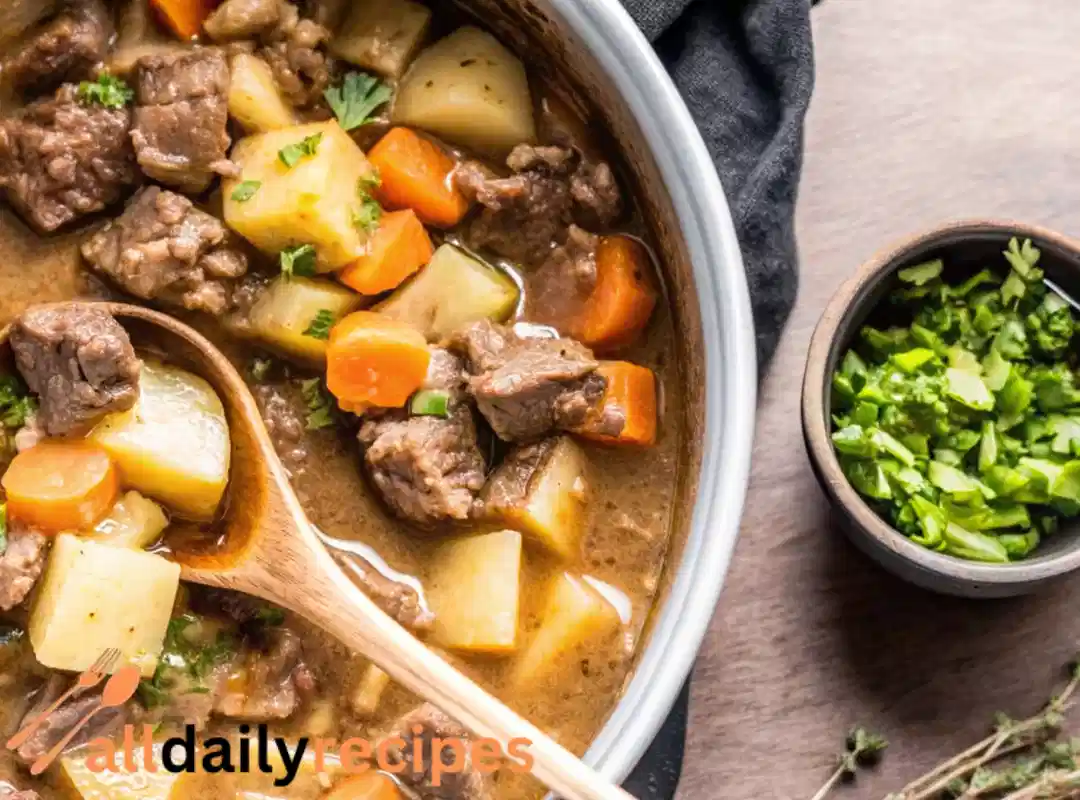
Some nights you want dinner that basically cooks itself; others you want that deep, roasty backbone. This easy beef stew gives you both without changing the shopping list. Same chuck roast, same veg, same pot. You choose the mood. If it’s a Tuesday and you’re tired, skip the sear and let time + starch do the work. If it’s Saturday and you’ve got ten extra minutes, brown the meat and scrape up every last fond-y bit. BTW, I lean weeknight most of the time then I remember how good the Maillard magic is and… well, you’ll see.
For the no-brown route, you salt the beef, get it cooking hot so it sheds juice, then pile in celery, onion, carrots, and parsnips. Once things soften, thyme and a touch of flour go in to nudge body. Add beef broth plus water, Worcestershire for savory bass notes, and balsamic for balance. Keep it at a friendly simmer for about an hour, partially covered, stirring now and then. Potatoes go in late so they keep their shape while still lending that creamy edge. What you get is the kind of beef stew recipe you can make while answering texts and rinsing lunchboxes.
Prefer the quick sear? Dry the cubes, heat oil, and brown in batches don’t rush it; two well-browned sides are enough. Slide the beef out, sweat the veg in the same Dutch oven, then bloom thyme and flour for thirty seconds. Splash in broth to deglaze (you’ll hear the sizzle), return the beef, add the remaining broth and water, Worcestershire, and balsamic. Simmer an hour, potatoes in for the last half hour, parsley at the end. The difference isn’t subtle: the broth gets rounder, beef tastes “older in a good way,” and even the parsnips feel richer.
Two short step-sets (so you can cook, not scroll)
Method A No-Brown Weeknight
- Salt beef (1 tbsp). Start it hot with oil ~10 min until no longer pink.
- Add veg + remaining 1 tsp salt + 1/2 tsp pepper; cook ~10 min to soften.
- Stir in thyme + 1 tbsp flour (30 sec).
- Add 4 cups broth + 2 cups water + 1 tbsp Worcestershire + 1 tbsp balsamic; simmer 60 min, partially covered.
- Add potatoes; simmer 25–35 min to tender. Finish with parsley; adjust salt.
Method B Quick Sear (same ingredients)
- Pat beef dry; brown in batches in hot oil, set aside.
- Soften veg with a pinch of salt; add thyme + flour (30 sec).
- Deglaze with a splash of broth; return beef. Add remaining liquids + sauces.
- Simmer 60 min; add potatoes 25–35 min more. Finish with parsley and pepper.
Instant Pot & Slow Cooker notes
- Instant Pot: Pressure 35 min with everything except potatoes/parsley; quick release. Add potatoes; pressure 4–5 min more; quick release, stir in parsley.
- Slow Cooker: Everything except potatoes/parsley on Low 7–8 hr (or High 4–5). Potatoes for last 2 hr; finish with parsley. If thin, crack the lid near the end.
Stew’s a bit thin fast rescue?
Simmer uncovered 10–15 minutes to reduce, then mash a few potato chunks against the pot and stir. That tiny move gives this easy beef stew a glossy, spoon-coating finish without extra thickener.
Tips & Tricks for Easy Beef Stew
If you’ve ever ladled a pot and thought, “Why is this almost right but not quite?” this is where your easy beef stew levels up. Think in threes: body (how it coats the spoon), balance (savory vs. bright), and tenderness (fork meets beef, no argument). Use your senses, not just the clock. The stew should smell gently sweet from carrots and parsnips, read glossy on the surface, and offer cubes of chuck roast that yield with a nudge. BTW, if you’re multitasking, keep the simmer friendly not furious. Vigorous boiling tightens meat; steady braising relaxes it.
Dial in body (without gummy thickeners)
Start by letting time and potatoes do their job. Russets soften at the edges and leave a little starch trail that thickens naturally classic beef stew recipe behavior. If the broth still feels thin, you’ve got three clean moves:
- Reduce uncovered for 10–15 minutes to concentrate.
- Lightly mash a few potato chunks against the pot and stir.
- Use a quick slurry (1 1/2 tbsp cornstarch + 2 tbsp cold water), stir in, simmer 2 minutes.
Avoid adding a mountain of flour late; it tastes raw and muddies flavor. In a Dutch oven, evaporation is your quiet friend let the lid sit slightly ajar during the last stretch.
Balance flavor like a pro (salty, flat, or too “beefy”?)
Salty broth happens especially with boxed stock. Don’t chase it with more water (you’ll thin body). Instead:
- Add plain potatoes or mushrooms to absorb a touch.
- Counterpoint with balsamic vinegar; a teaspoon at a time perks up dull edges.
- A tiny pat of unsalted butter smooths rough salinity.
Flat broth? Nudge umami with Worcestershire, a 1/2 teaspoon soy, or bloom 1 tablespoon tomato paste next time. If acidity pokes through, a splash of stock or an extra 10-minute simmer usually re-centers it. Small, steady adjustments beat one big swing.
Substitutions & Variations for Easy Beef Stew (Choose Your Path)
Let’s be honest: no two pantries look the same at 6 p.m. This easy beef stew flexes without losing its soul. Keep the bones of the recipe (chuck roast, aromatics, broth), then steer flavor and texture based on what you’ve got or what you crave. If you lean weeknight, stick to the no-brown path and let Worcestershire + balsamic carry the umami. If you’re feeling weekend energy, tiny tweaks tomato paste, a splash of wine, maybe mushrooms nudge the stew from cozy to deep and roasty. You’re not breaking the beef stew recipe; you’re driving it.
Flavor direction shifts (same method, different vibe)
- Tomato-forward: Add 1–2 tbsp tomato paste with the thyme/flour; it sweetens and adds body.
- Winey + round: Swap 1/2 cup of the water for dry red wine during deglaze/simmer (Max-Flavor route).
- Mushroom umami: Sauté 8 oz sliced mushrooms with the veg; they soak up fond and make the broth meatier.
- Stout-cooked: Replace 1 cup of liquid with Guinness for bittersweet depth (reduce balsamic to 1–2 tsp).
- Savory bass notes: If the broth feels flat, a 1/2 tsp soy sauce (or mashed anchovy) disappears into the pot and wakes it up.
Dietary & pantry swaps (keep texture in mind)
- Potatoes: Russets (as listed) give plush edges. For reheats/freezing, use Yukon Goldor add cooked potatoes when reheating.
- Gluten-free: Skip flour; thicken at the end with a cornstarch slurry (1 1/2 tbsp cornstarch + 2 tbsp cold water).
- More veg / fewer spuds: Double parsnips or add turnips; they stay structured and slightly sweet.
- Hearty grain add-in (stovetop only): Stir in 3/4 cup pearled barley with the liquids; it thickens naturally and stretches portions.
- Stock realities: If using regular (not low-sodium) broth, hold back extra salt until the final taste; acidity (balsamic) balances salinity.
Actually, scratch that one more thought on balance. When you tweak one lever (wine, stout, tomato), adjust the others so nothing shouts. Wine + tomato paste? Ease up on balsamic. Extra mushrooms? Maybe you won’t need soy. Tiny, thoughtful edits beat a pile-on every time, and your Dutch oven will tell you when you’ve hit it: glossy surface, savory aroma, and a spoon that comes up coated but not gloopy.
Can I make this without potatoes?
Yes. Replace potatoes with extra parsnips/turnips, or stir in barley (stovetop) for body. If you’re skipping potatoes because you plan to freeze, cook them separately and add on reheat. The easy beef stew stays rich and velvety either way; you’re just choosing your thickener (starch vs. grain) and your future-self convenience.
Nutrition
Numbers help you steer not scare you off. These estimates are for an 8-serving pot of easy beef stew made exactly as listed (3 lb chuck roast, russets, boxed beef broth), simmered in a Dutch oven. I’m using standard ingredient databases and rounding to practical ranges because cuts vary, broth salt swings, and some fat renders out. If you portion it into 6 hearty bowls instead of 8, bump the numbers by ~30%.
Per-serving estimates (8 servings)
- Calories: 620–680 kcal
- Protein: 34–38 g
- Total fat: 30–36 g (depends on chuck trim + how much rendered fat you leave in)
- Carbohydrates: ~22–28 g
- Fiber: 3–5 g
- Sugars: 4–7 g (mostly from onions, carrots, parsnips)
- Sodium: big range 700–1,200 mg with low-sodium broth; ~1,200–2,000 mg with regular broth + the listed salt
- Potassium: meaningful thanks to potatoes and parsley; exact value varies, but this beef stew recipe typically lands in the mid-hundreds of mg per serving
Two levers change nutrition more than anything: broth and fat. Boxed broths aren’t consistent low-sodium buys you seasoning control, then you finish with salt to taste and a splash of balsamic for brightness. Fat-wise, chuck is marbled (that’s why it tastes like dinner); skimming after the simmer trims calories fast without dulling flavor. BTW, Instant Pot and slow cooker methods hold a touch more liquid than stovetop reduction, but macros don’t shift much texture does.
Want it a bit lighter without losing the cozy vibe? Trim exterior fat from the chuck before cubing, use 2 tablespoons oil instead of 3 (especially if you skip the sear), and chill leftovers so you can lift the solid fat cap before reheating. For carbs, keep russets as written if you like that plush mouthfeel; swapping in Yukon Gold barely changes totals, but they reheat better. If you’re stretching portions, add mushrooms or a half-cup of pearled barley (stovetop only); both add body so smaller ladles still feel satisfying.
What’s the easiest way to lower sodium in easy beef stew?
Use low-sodium beef broth, salt in stages, and rely on acidity (balsamic) and umami (Worcestershire) to pop flavor without more salt. If the pot tastes salty near the end, add unsalted stock, a knob of butter, or a handful of plain potatoes to pull it back then simmer a few minutes to re-balance.
Frequently Asked Questions About Easy Beef Stew
Why is my beef still a bit tough?
Two common culprits: cube size and impatience. One-inch pieces of chuck need enough time for collagen to melt into gelatin. If the bite is chewy at the 60-minute mark, keep the easy beef stew at a gentle simmer for 20–30 minutes more and check again. Also verify the simmer isn’t too low (no movement) or too aggressive (rolling boil); both slow tenderness in different ways.
Can I freeze easy beef stew with potatoes?
Is this good enough for guests if I cook a day ahead?
Yes. Chill overnight, lift the fat cap, and reheat gently with a splash of stock. Finish with parsley and a small dash of balsamic to wake the flavors. Serve with warm bread, and nobody will ask how long it took just for seconds.
Conclusion
There’s a quiet relief in knowing dinner isn’t a gamble. With one sensible shopping list and two clear methods, you get to pick the kind of comfort that fits the day: a no-brown, one-pot braise that minds itself, or a quick-sear, Dutch oven simmer with extra roasted depth. If we’re honest, most weeknights call for simple; weekends tempt us toward nuance. Either path respects your time, your budget, and the fact that flavor comes from choices made on purpose salt in stages, potatoes added late, acidity at the end, and heat that stays friendly, not fierce.
Quick takeaways (so it sticks):
- Same ingredients, two moods: hands-off weeknight or seared, “company’s coming” depth.
- Body first: reduce gently, let potatoes thicken, mash a few if needed.
- Balance beats brute force: a teaspoon of balsamic can rescue salty stock.
- Make-ahead wins: stew tightens overnight; loosen with a splash of broth when reheating.
- Freezer plan: freeze without potatoes; add fresh (or waxy) spuds on reheat.
Here’s the part most recipes skip: permission. It’s okay if you choose reduction over slurry, Yukon over russet, or slow cooker over stovetop. It’s okay to sear one night and skip it the next. The stew doesn’t judge; it just gets better as you trust your palate. Tomorrow’s leftovers will taste rounder, and oddly enough you might like them more. If you want a north star, let aroma guide you: when the kitchen smells sweet-savory and the broth looks glossy, you’re there. That’s the whole promise of easy beef stew.
Easy Beef Stew
Ingredients
Method
- For the no-brown route, salt the beef (1 tbsp). Start cooking it hot with oil for about 10 minutes until no longer pink.
- Add celery, onion, carrots, and parsnips with remaining 1 teaspoon salt and 1/2 teaspoon pepper; cook for about 10 minutes until softened.
- Stir in thyme and 1 tablespoon of flour for 30 seconds.
- Add 4 cups of broth, 2 cups of water, 1 tablespoon Worcestershire sauce, and 1 tablespoon balsamic; simmer on low for 60 minutes, partially covered.
- Add potatoes in the last 25-35 minutes of cooking until tender. Finish with parsley and adjust salt to taste.
- For the quick sear method, pat the beef dry and brown in batches in hot oil. Set aside.
- Sauté the veg with a pinch of salt; add thyme and flour for 30 seconds.
- Deglaze with a splash of broth, return the beef and add remaining liquids and sauces.
- Simmer for 60 minutes; add potatoes 25-35 minutes before serving. Finish with parsley and pepper.
I like this blog very much so much superb info .
I am always thought about this, appreciate it for putting up.