
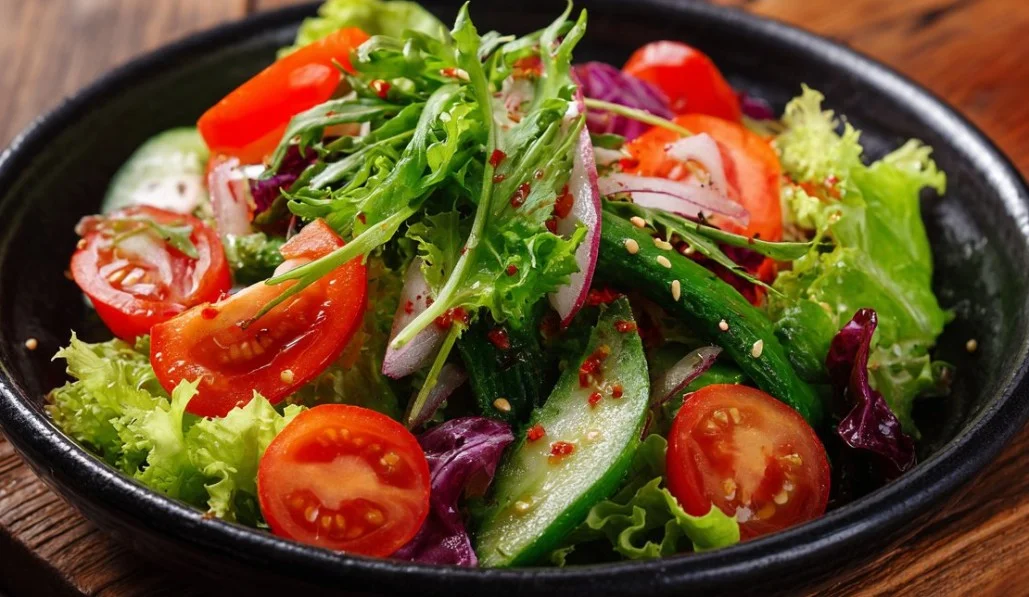
When I first moved out on my own, I had a lot to learn about cooking. I distinctly remember the excitement mixed with apprehension as I rummaged through my pantry, discovering an array of ingredients that I had no idea how to use. One of my early cooking adventures involved a simple yet refreshing side salad. It became my go-to dish, not just for its ease, but for the pleasure of eating something healthy that I could whip up in minutes. Since then, salads have become a staple in my diet, and I’ve realized just how versatile they can be. If you’re looking for a quick and nutritious addition to your meals, a side salad offers a colorful burst of flavor, nutrition, and variety.
What is Side Salad
A side salad is a light and typically simple salad served as an accompaniment to main dishes. They often consist of a variety of fresh vegetables, fruits, and sometimes nuts or seeds, all tossed together for a delightful mix of flavors and textures. Side salads are known for being refreshing and healthy, often acting as a palate cleanser alongside heavier meals. They can vary widely in ingredients and dressings based on seasonal availability and personal taste, making them an effortlessly customizable option for any meal. With their vibrant colors and crisp textures, side salads are perfect for enhancing the visual appeal of your dining table.
Why You’ll Love This Side Salad:
Creating a side salad is undoubtedly a rewarding experience. Here are a few reasons why you’ll love making it:
– Quick and simple to prepare: With minimal chopping and mixing, it can be ready in just minutes.
– Family-friendly meal: Kids and adults alike can enjoy customizing their salads.
– Great for beginners: Even those with limited cooking skills can succeed and feel accomplished.
– Versatile ingredients: Use whatever you have on hand to create a unique dish every time.
– Nutritious addition: Packed with vitamins and minerals, a side salad is an excellent way to boost your vegetable intake.
This easy preparation and the opportunity for creativity make side salads a beloved choice in many households.
Ingredients
For a classic side salad, you’ll need the following ingredients:
– Mixed greens: A combination of lettuce, spinach, and arugula for a vibrant base.
– Cherry tomatoes: Halved for a burst of sweetness.
– Cucumber: Sliced or diced for a refreshing crunch.
– Carrots: Grated or julienned for added color and texture.
– Olive oil: A healthy fat to dress the salad.
– Vinegar: Use balsamic, red wine, or apple cider for tanginess.
– Salt and pepper: To taste, enhancing all the flavors.
Step-by-Step Instructions for Side Salad
1. Begin by washing and drying your mixed greens thoroughly. It’s essential for removing any dirt and ensuring your salad is crisp.
2. Slice the cherry tomatoes in half to enhance their juicy flavor when you take a bite.
3. Grate or julienne the carrots, adding a sweet crunch to the salad’s mix.
4. In a large bowl, combine the mixed greens, tomatoes, cucumber, and carrots for a colorful display.
5. In a small bowl, whisk together olive oil, vinegar, salt, and pepper to create your dressing. Adjust the seasoning based on your taste.
6. Drizzle the dressing over the salad and toss gently to combine, ensuring everything is coated evenly.
7. Serve immediately to enjoy the crisp textures and fresh flavors at their best.
Pro Tips and Variations:
To elevate your side salad game, consider these pro tips and variations:
– Experiment with different greens: Try kale or arugula for a more robust flavor.
– Add proteins: Consider adding grilled chicken, chickpeas, or hard-boiled eggs for a filling twist.
– Incorporate fruits: Sliced apples, pears, or even berries can introduce a sweet note.
– Play with textures: Sprinkle nuts, seeds, or croutons for crunch.
– Try different dressings: Explore recipes for honey mustard, yogurt-based dressings, or tahini for varied flavor profiles.
– Go seasonal: Include ingredients that are in season for the freshest taste.
How to Serve Side Salad
Serving a side salad is simple yet effective. It can be the perfect accompaniment to grilled meats, pasta dishes, or spicy cuisines, acting as a refreshing counterbalance. Add your side salad to a family dinner or a casual barbecue, where it complements various flavors on the table. For a picnic, consider packing the salad ingredients separately and tossing them just before serving to maintain freshness. You can also place a scoop atop a grain bowl for added color and nutrition or even serve it alongside your favorite sandwich for a balanced meal.
How to Store Side Salad
Storing leftovers from your side salad can be easy if done correctly. If you have unconsumed salad, it’s best to store the components separately. Place the mixed greens in an airtight container in the refrigerator to keep them fresh. Chopped vegetables can also be stored in another container, while dressing should be kept in a separate jar. This method helps maintain the crunch and prevents sogginess. Generally, properly stored components can last about three days. Avoid freezing side salads, as the texture of the greens will not hold up well once thawed.
Nutrition Information
While nutrition values can vary depending on specific ingredients and portions, a typical side salad made from the ingredients listed provides numerous health benefits. Side salads are low in calories but high in essential vitamins and minerals. For instance, mixed greens offer fiber and antioxidants, while tomatoes provide vitamin C and lycopene. Cucumbers have a high-water content, supporting hydration. When paired with a simple olive oil and vinegar dressing, you add healthy fats without excessive calories, making side salads a balanced addition to your dietary plan.
FAQs Side Salad
**1. Can I make a side salad ahead of time?**
Yes, you can prep the ingredients ahead of time! However, it’s best to store the components separately and toss them together right before serving to prevent sogginess.
2. What can I substitute for olive oil in the dressing?
If you don’t have olive oil, you can use avocado oil, coconut oil (in liquid form), or even a store-bought dressing if you prefer.
3. Are there any ingredients that are not suitable for a side salad?
While most ingredients can be included, avoid overly heavy items such as creamy sauces or cooked vegetables that may not pair well unless balanced with fresh elements.
4. How do I make my side salad more filling?
You can add proteins like grilled chicken, beans, or nuts, and grains like quinoa or farro to enhance the satiety factor while still keeping the salad fresh and vibrant.
Conclusion
Creating a delightful side salad can transform any meal with its freshness and nutrition. This dish is quick to prepare, easy to customize, and perfect for enhancing any dining experience. Try this simple side salad recipe and explore endless possibilities based on your preferences. Invite friends and family to share their experiences, and experience the joy of healthy eating together.